13-Day Journey to the Extreme-North Mohe and Hulunbuir Grasslands in Autumn
7 cities |
26 attraction(s) |
total distance 7849
km
 TIPS
TIPS
Day1-4
Day1
Day2
Day3
Day4
Day5-7
Day5
Day6
Day7
Day8-12
Day8
Day9
Day10
Day11
Day12
Day13
Day1-4:
0 attraction(s) ·
0 km
Day1: GUANGZHOU > Harbin
2 attraction(s) ·
2785 km


Day2: Harbin
2 attraction(s) ·
1 km
1
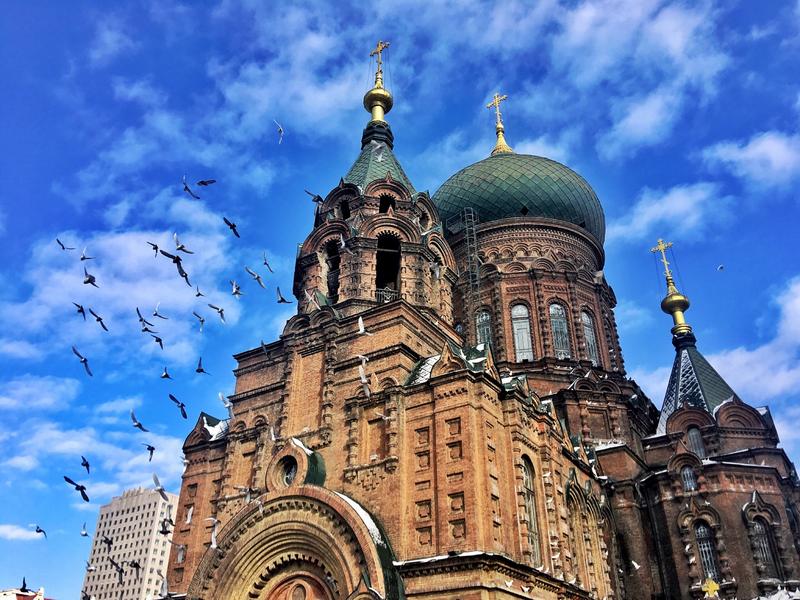
St. Sophia Cathedral, a landmark building in Harbin, was built in 1907. Its onion-shaped dome is one of its most striking features and has become a symbol of the city. Although it no longer serves as a church, the cathedral's night view is still charming and beautiful.
St. Sophia Cathedral used to be the largest Orthodox Church in the Far East and is now considered to be the best-preserved Byzantine-style building in China. After being renovated into an art gallery, it reflects Harbin's history, present, and future through the display of nearly a thousand pictures and city planning models.
The Square Pigeons and the large music fountain are set up in the square in front of the cathedral, where many people come to take wedding photos, making it a beautiful sight.
1
km
2
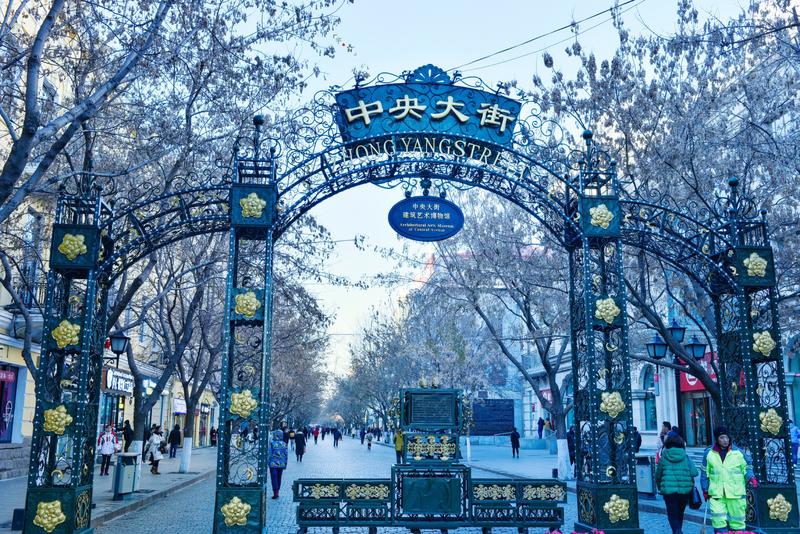
Harbin's most prosperous commercial street, Zhong Yang Da Jie, has a hundred-year history and numerous classic European-style buildings. This street is filled with all kinds of shops and department stores. At night, the lights are brilliant, making the whole street full of magical colors. No wonder it has become a must-visit place that is very popular in Harbin. When you come here, don't miss the delicious Russian-style cuisine and the taste of Mader ice cream, which is an extraordinary gourmet experience that will be unforgettable.
Day3: DaXingAnLing
2 attraction(s) ·
58 km


Day4: DaXingAnLing
2 attraction(s) ·
30 km

Day5-7:
0 attraction(s) ·
0 km
Day5:
0 attraction(s) ·
0 km
Day6: Hulunber > Erguna
2 attraction(s) ·
42 km

Day7: Hulunber
1 attraction(s) ·
0 km

Day8-12:
0 attraction(s) ·
0 km
Day8: Shenyang
2 attraction(s) ·
1 km
Day9: Shenyang
3 attraction(s) ·
15 km
1
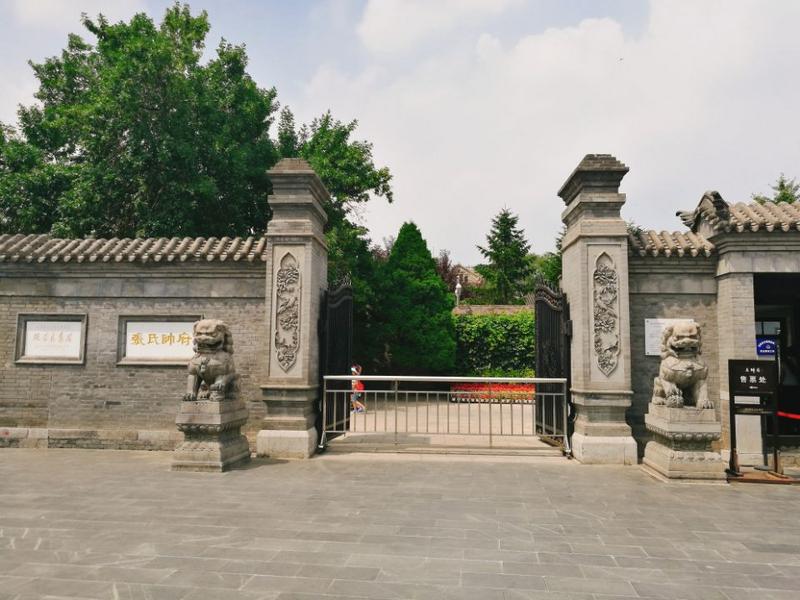
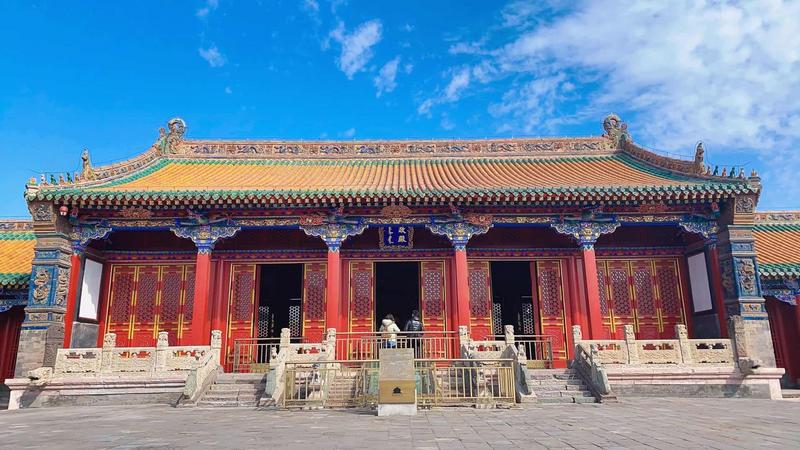
This official residence and private residence belonged to General Zhang Zuolin and his eldest son Zhang Xueliang, and is still one of the best-preserved celebrity homes in Northeast China. Not only is the original appearance of each building preserved, but the interior also displays photos, wax figures, and various items used by the father and son, showcasing their life trajectories. Especially in the luxurious commander's mansion, there are many exquisite stone carvings, wood carvings, brick carvings, and murals, as well as precious ink treasures of the Zhang family's descendants, making it a place with great viewing value.
1
km

3
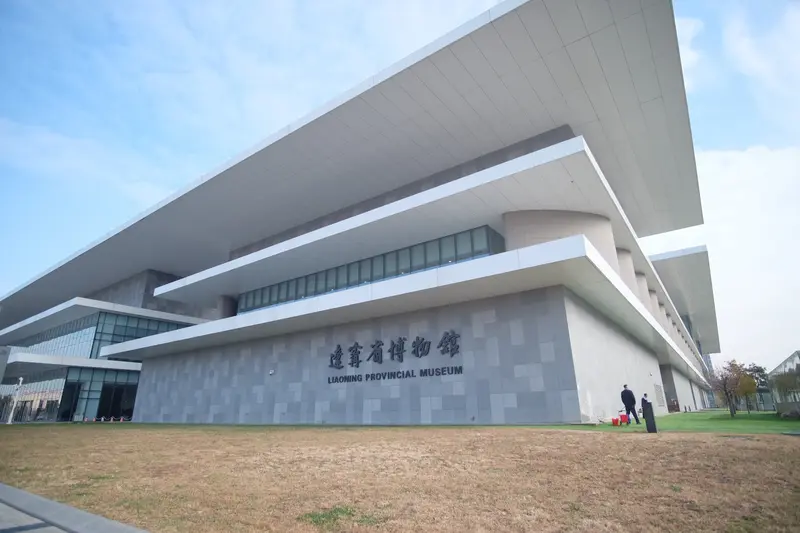
Liaoning Provincial Museum is an excellent place to learn about the history of the provincial capital city. As one of the large-scale art historical museums in China, it houses countless treasures, such as the national treasures Shang Dynasty beast-face taotie pattern bronze tripod and Western Zhou Dynasty duck-shaped vessel, as well as ancient ethnic relics from the Khitan, Qing Dynasty, Xianbei, and other cultures, allowing you to delve into the historical background unique to the Liao River culture. In addition, the museum periodically exhibits precious collections, such as Tang Dynasty paintings of ladies wearing hairpins "Picture of Ladies Adorning Their Hair," the only cursive work "Four Treasures of the Study" inherited from the Tang Dynasty’s great calligrapher Zhang Xu, Ouyang Xun's "Dream Elegy," and Song Huizong Zhao Ji's "Auspicous Cranes," which will bring you surprises and rewards regardless of which exhibit they may be.
Day10: WUHAN
2 attraction(s) ·
4 km

2
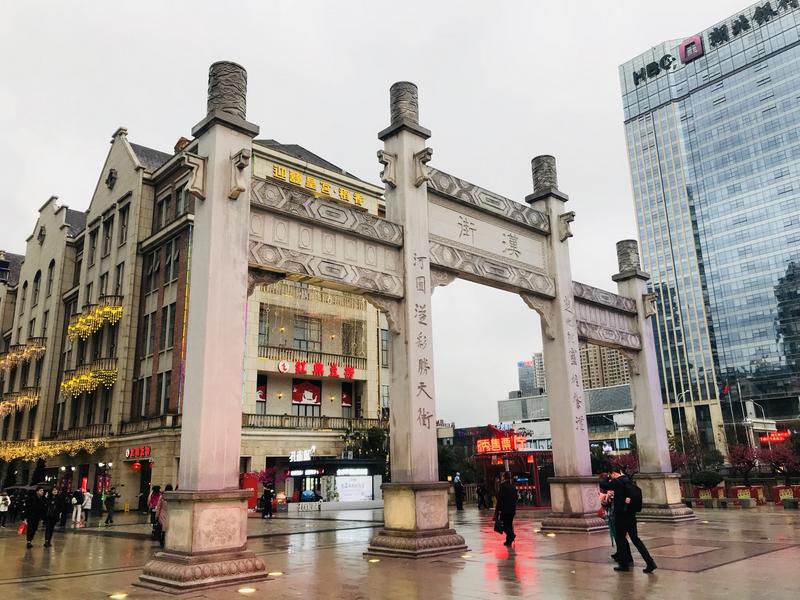
This city's commercial pedestrian street is considered one of the most characteristic buildings in China, with rich commercial facilities and known as "China's first commercial street".
Day11: WUHAN
4 attraction(s) ·
3 km
1
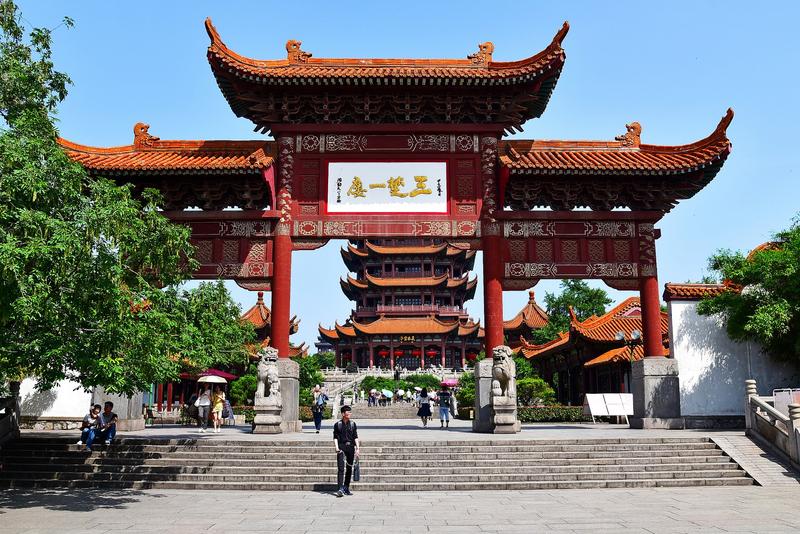
The Yellow Crane Tower is located on the bank of the Yangtze River in Wuchang, near the Yangtze River Bridge. It is renowned as the "Number One Building Under Heaven" and is one of the "Three Famous Towers of Jiangnan". The tower gained its fame from the famous ancient poem "The yellow crane has long since gone, and the white clouds are flying. But the river flows on, and the hills remain" and has been praised in poetry by many literati such as Li Bai and Mao Zedong. Built on the Snake Hill, the top of the tower offers a panoramic view of the beautiful scenery of Wuchang, as well as an expansive view of the Yangtze River. It is one of the most iconic buildings in Wuhan. There are also many stone tablets and carvings in the scenic area, all of which are authentic works of famous people from various periods, possessing extremely high artistic value. In addition, there is a special performance of the Chime and Dance of Chu, a local tradition, at Lomeixuan at 10:30, 11:30, 12:30, 14:00, 15:00, and 16:00 every day, with a ticket price of 30 yuan per person.
1
km
3
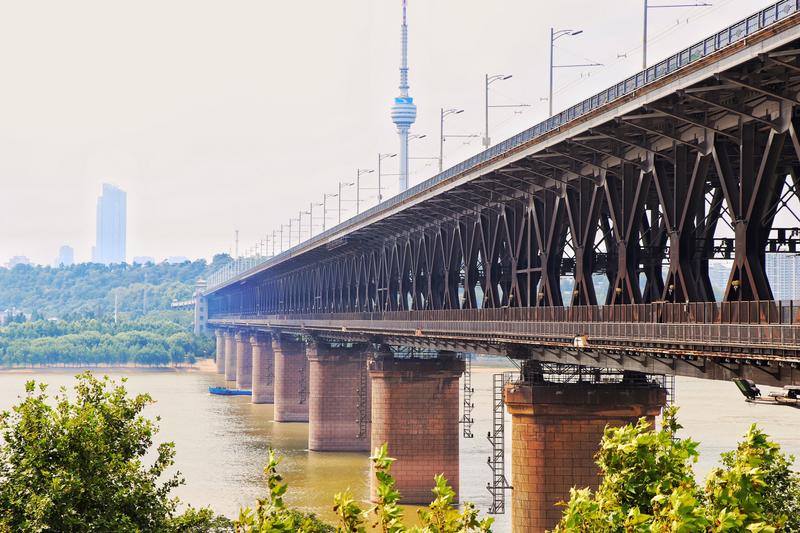
The first bridge over the Yangtze River that shares both road and rail traffic was constructed after the establishment of the People's Republic of China. With a total length of approximately 1670 meters, it is known as "The First Bridge over the Ten Thousand Li Yangtze River". The bridgehead fortresses on both sides of the bridge were built with the support of the Soviet Government, and the entire bridge is filled with Russian-style features. The bridge adopts a two-layer structure, with the upper layer serving as a road and pedestrian walkways on both sides, and the lower layer as a railway. The bridge leads to famous scenic spots such as Yellow Crane Tower and the Xinhai Revolution Memorial Hall, making transportation very convenient. Visitors can also visit the bridgehead fortresses along the way or walk on the bridge to enjoy the scenery of the three towns of Wuhan.
2
km

Day12: WUHAN > GUANGZHOU
4 attraction(s) ·
871 km
1
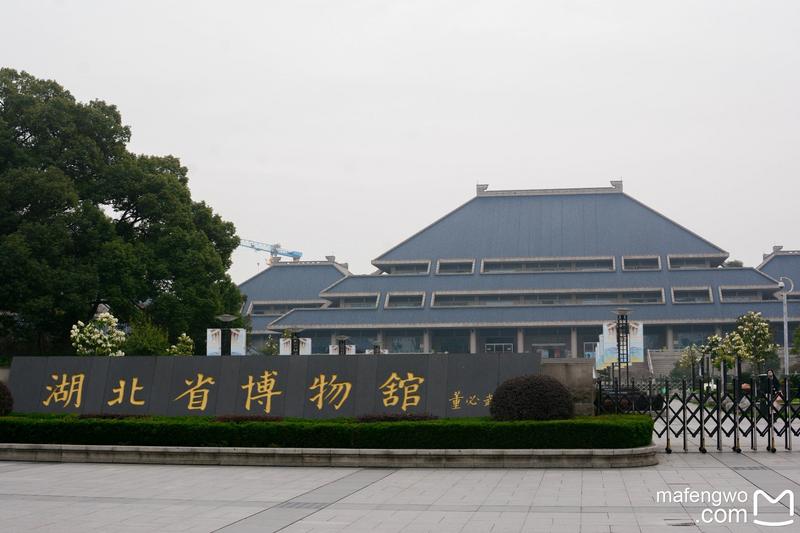
This national museum is located on the banks of Donghu Lake and has a rich collection of cultural relics. The biggest feature is the exhibit of ancient musical instruments, which is the largest in China. The four treasures of the museum are the sword of Yue Wang Goujian, the Bianzhong of Zenghouyi, the fossilized skull of a person from Yun County, and the four-loved plum vase with blue and white patterns from the Yuan Dynasty. The museum consists of ancient-style buildings such as the Comprehensive Exhibition Hall, the Chu Culture Hall, and the Bianzhong Hall, which reflect the architectural layout before the ancient Chu State. The permanent exhibitions have distinct characteristics of ancient Chu culture and the ancient Yangtze River civilization. There are daily performances of Bianzhong, and the exhibits and displays may change according to demand. Visitors can follow the signs inside the museum for guidance.
7
km
2

17 European-style buildings from the concession era are still preserved on both sides of Li Huangbi Road. They include the former site of the Sino-Russian Tao Sheng Bank, the Russian police station, the former site of the Chinese Christian Union Building, the former site of the American Navy Youth Club, the former site of the Russian concession bureau, the former site of Gao's Hospital, the YMCA, ShunFeng Trading Company, Bangke Garden, Hui Luo Company, Ba Gong's House, ShouShan Hall, and the former site of the International Hospital.
15
km


Day13:
0 attraction(s) ·
0 km