From Mohe to Dalian: A 13-Day Autumn Journey Spanning the Far North and the Seaside
5 cities |
32 attraction(s) |
total distance 6692
km
 TIPS
TIPS
Day1-5
Day6
Day7
Day8
Day9
Day10-12
Day1-5: Harbin > DaXingAnLing
5 attraction(s) ·
954 km
1
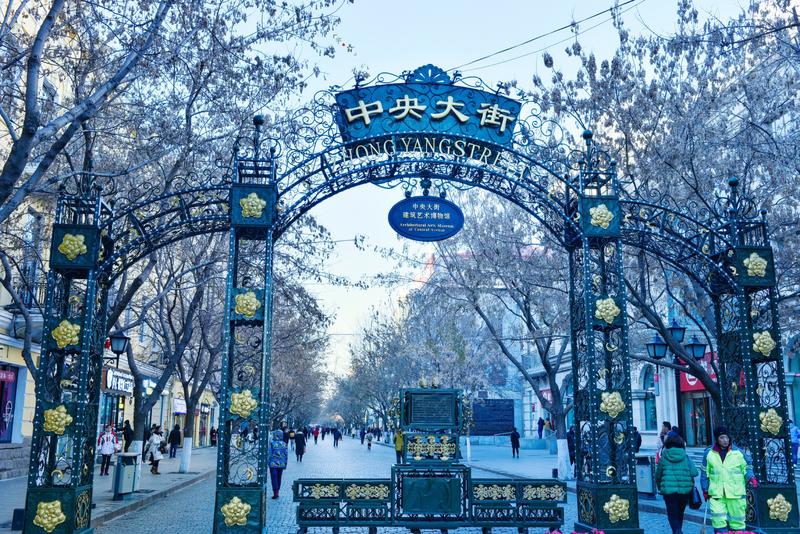
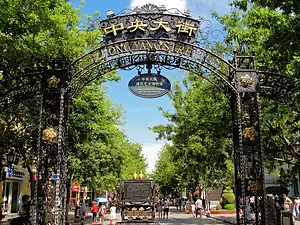
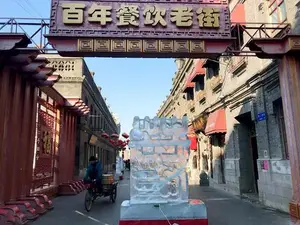
Harbin's most prosperous commercial street, Zhong Yang Da Jie, has a hundred-year history and numerous classic European-style buildings. This street is filled with all kinds of shops and department stores. At night, the lights are brilliant, making the whole street full of magical colors. No wonder it has become a must-visit place that is very popular in Harbin. When you come here, don't miss the delicious Russian-style cuisine and the taste of Mader ice cream, which is an extraordinary gourmet experience that will be unforgettable.
1
km
2
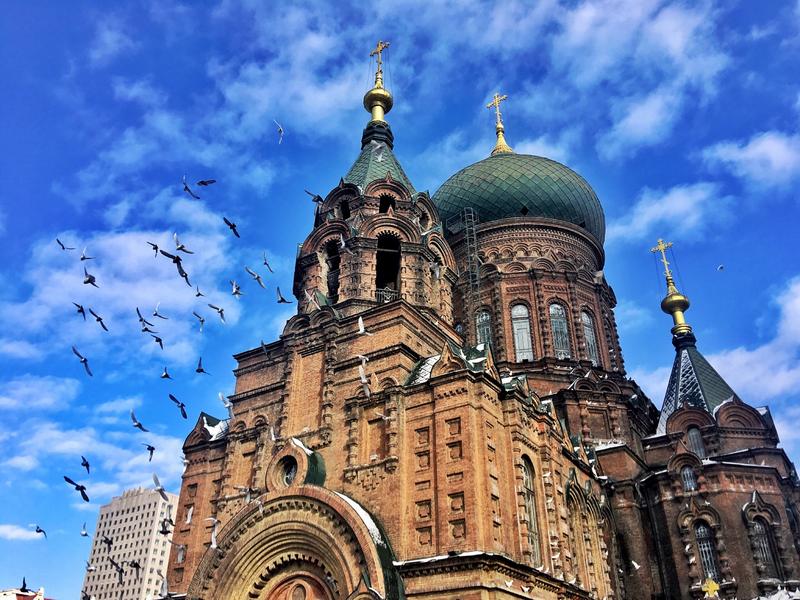
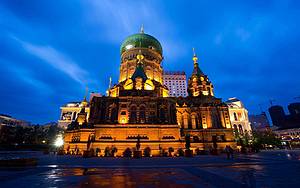
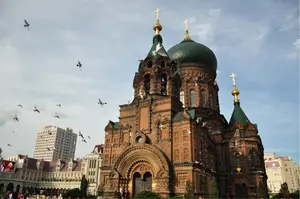
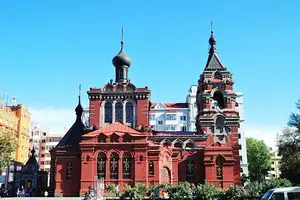
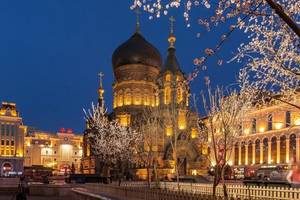
St. Sophia Cathedral, a landmark building in Harbin, was built in 1907. Its onion-shaped dome is one of its most striking features and has become a symbol of the city. Although it no longer serves as a church, the cathedral's night view is still charming and beautiful.
St. Sophia Cathedral used to be the largest Orthodox Church in the Far East and is now considered to be the best-preserved Byzantine-style building in China. After being renovated into an art gallery, it reflects Harbin's history, present, and future through the display of nearly a thousand pictures and city planning models.
The Square Pigeons and the large music fountain are set up in the square in front of the cathedral, where many people come to take wedding photos, making it a beautiful sight.
854
km


Day6: DaXingAnLing > Harbin > Dalian
5 attraction(s) ·
1736 km


4
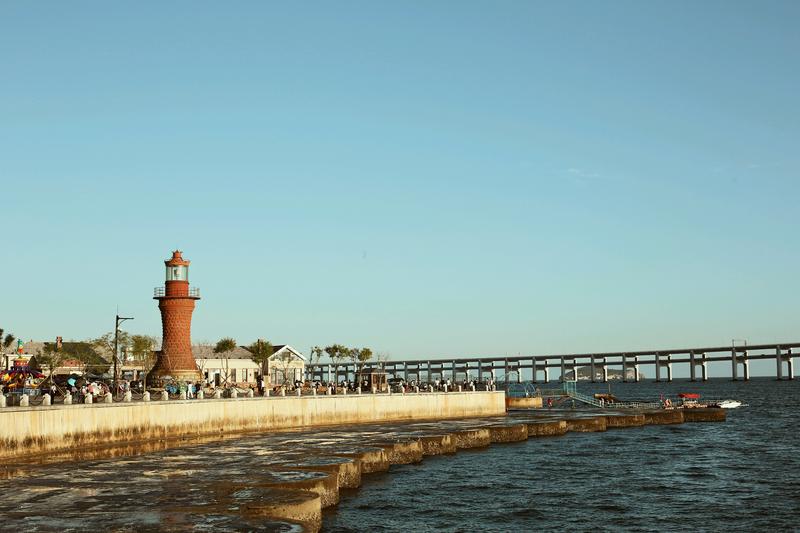
A square located in the southern coastal scenic area of Dalian has become one of the city's landmarks. It is oval-shaped and covers an area larger than two Tiananmen Squares. The central avenue runs through the center of the square. Here, visitors can watch musical fountains and various sculptures and should not miss the opportunity to see the sea view and feed the seagulls. Every summer, a large-scale beer festival is held here, and the entire square becomes a bustling carnival venue.
7
km
5
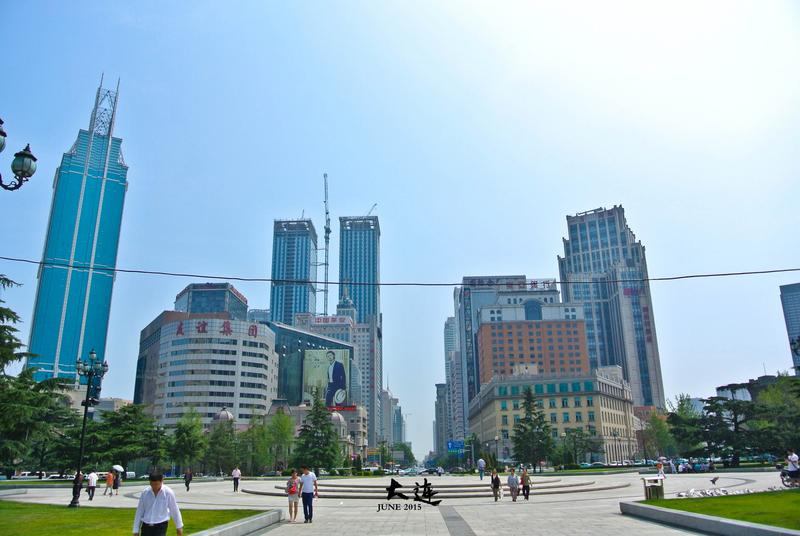
This square was originally built during the Russian occupation and was later renamed as the Grand Square during the Japanese occupation. After liberation, it was renamed as Zhongshan Square in memory of Mr. Sun Yat-sen.
Zhongshan Square has a circular radial shape, with 10 major roads radiating outwards in all directions. The surrounding buildings were built in the early 20th century and feature different architectural styles such as Romanesque and Gothic. For those who love taking pictures, the Western-style buildings in Zhongshan Square are a very good scenic spot.
Day7: Dalian
7 attraction(s) ·
19 km
1
A square located in the southern coastal scenic area of Dalian has become one of the city's landmarks. It is oval-shaped and covers an area larger than two Tiananmen Squares. The central avenue runs through the center of the square. Here, visitors can watch musical fountains and various sculptures and should not miss the opportunity to see the sea view and feed the seagulls. Every summer, a large-scale beer festival is held here, and the entire square becomes a bustling carnival venue.
3
km
2
On October 30, 2015, the longest cross-sea bridge in Northeast China, the Nanbu Binhai Avenue Cross-Sea Bridge, with a total length of about 6 kilometers, a main bridge length of 820 meters, a main span of 460 meters, and side spans of 180 meters on both sides, started from the east of Jinsatan in Dalian and crossed the Xinghai Bay to land in the reclamation area of the Hightech Industrial Park. This first anchor hanger cable-stayed cross-sea bridge in China will become an important horizontal link in Dalian's "Seven Vertical and Seven Horizontal" road network, injecting new vitality into the city's development. After careful planning and construction, the Xinghai Bay Bridge finally opened on that day.
2
km
3

Binhai Road is a picturesque coastal road that stretches over 30 kilometers and features many famous attractions along the way, making it an excellent destination for walking and photography.
As a symbol of love, Binhai Road connects mountains and the sea, earning it the nickname "Lovers' Road."
Starting from Hai Zhi Yun Park, Bangchui Island, and Tiger Beach Ocean Park going eastward, the central part includes Yanwo Hill and Beida Bridge, while connecting to Forest Zoo and Xinghai Square from the west.
Most people choose to take the city sightseeing bus to tour Binhai Road, but hiking enthusiasts can also choose to walk certain sections of the road.
1
km
4

The Shell Museum, located in the southeast corner of Xinghai Square in Dalian, is the most diverse shell collection museum in Asia. It houses over 5,000 species of marine treasures from around the world. Whether you are a shell enthusiast or a traveler with a strong interest in marine culture, a visit to this museum will surely impress you with its various shapes and sizes of shells, some weighing over a hundred pounds, while others are only a few millimeters in size. You can rest assured that a visit here will not disappoint you.
3
km
5
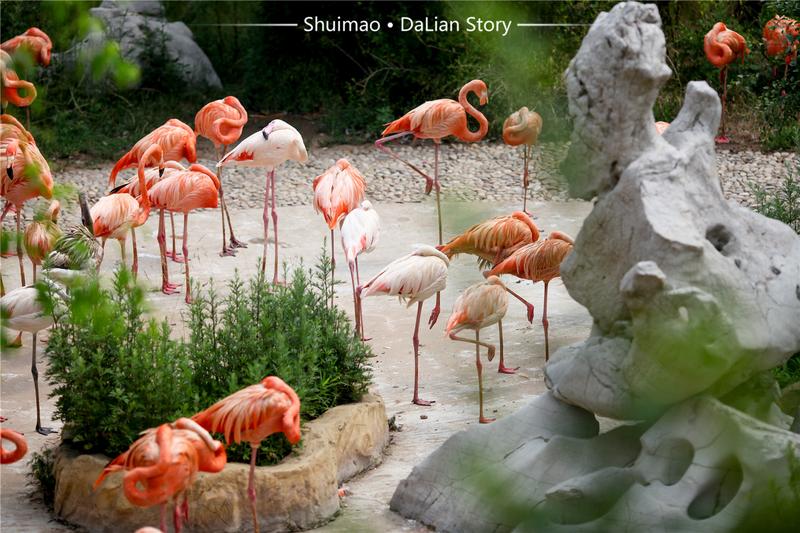
This scenic area is located at Baiyun Mountain and adjacent to the sea. The first phase is a captive area, and the second phase is a wild release park. Visitors can enjoy various activities such as watching the flight of hundreds of geese, sea lion performances, black bear boxing, and hilarious performances by chimpanzees. There are up to 200 species of animals and more than 3,000 in total, including nationally protected and rare imported species. Visitors can visit various captive and released animals and have close contact with cute alpacas and other animals. The wild release park also has a tropical rainforest museum, including four areas of tropical rainforest, desert landscape, tropical fruit trees, and humans and nature, which is very interesting.
7
km
6
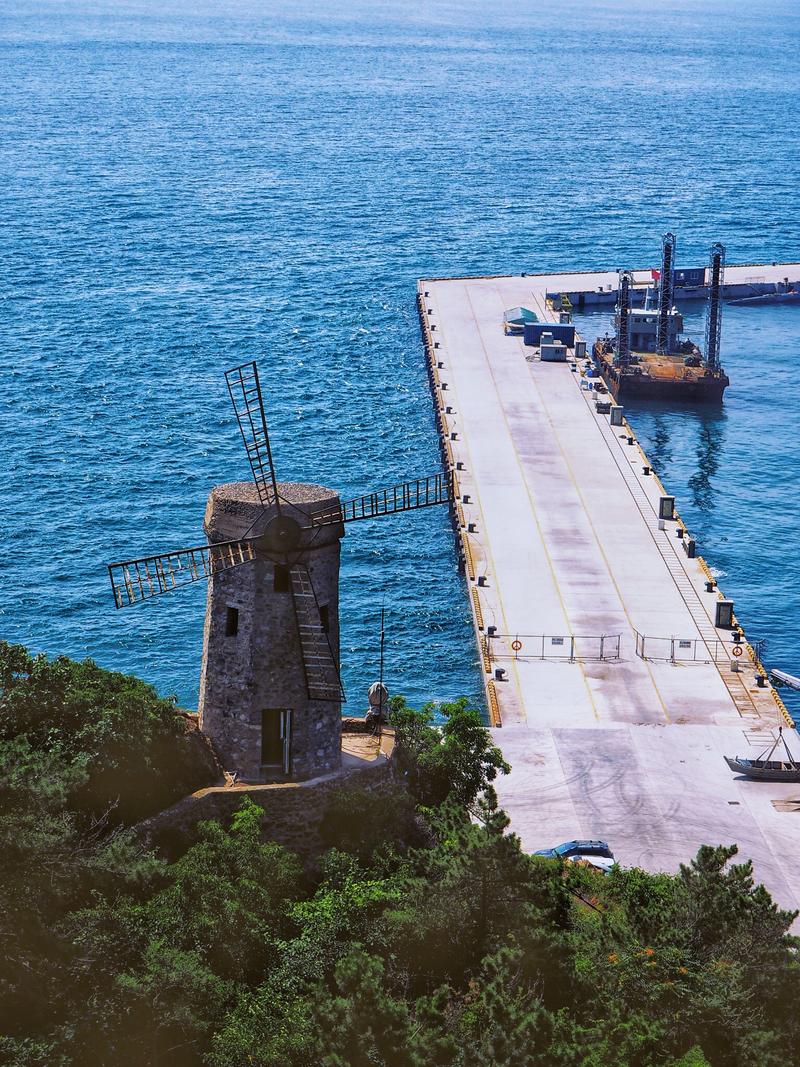
Located on the east side of Tiger Beach Ocean Park, Fisherman's Wharf is surrounded by natural mountains on both sides, with beautiful scenery. The coastline is about 1,768 meters long, and the west side and southeast corner have natural beaches, making it a unique commercial area that combines tourism, entertainment, culture, dining, shopping, and leisure. Every hour on the hour, the Fisherman's Wharf clock rings, reminding people to cherish the fleeting and beautiful moments.
7
km
7
This square was originally built during the Russian occupation and was later renamed as the Grand Square during the Japanese occupation. After liberation, it was renamed as Zhongshan Square in memory of Mr. Sun Yat-sen.
Zhongshan Square has a circular radial shape, with 10 major roads radiating outwards in all directions. The surrounding buildings were built in the early 20th century and feature different architectural styles such as Romanesque and Gothic. For those who love taking pictures, the Western-style buildings in Zhongshan Square are a very good scenic spot.
Day8: Dalian
6 attraction(s) ·
54 km

2

Surrounded by mountains and with treacherous terrain, this port is home to many warships and is known as a great military harbor of the world. After going through the test of history, it used to serve as an important base for Li Hongzhang to establish the Beiyang Fleet, and due to its excellent geographical location, it is a miraculously natural harbor that is easy to defend and difficult to attack. Several thrilling battles have also left their marks in history.
2
km

5
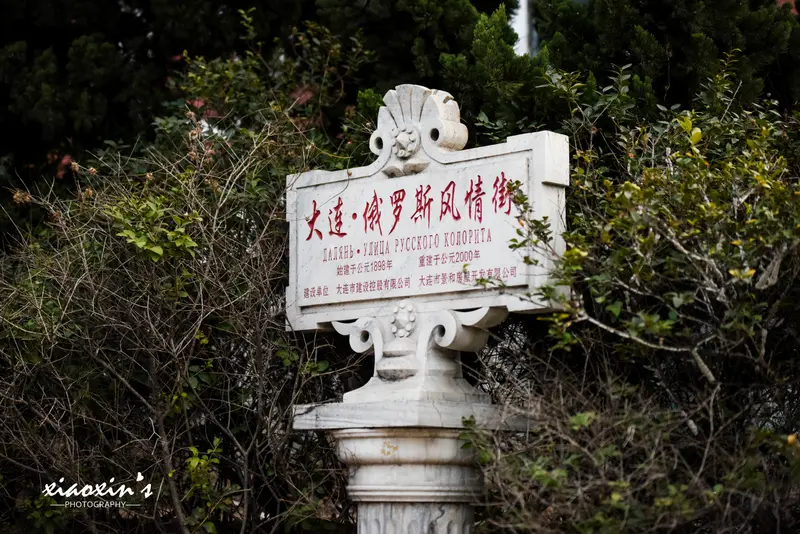
This street preserves 38 buildings from the original Far Eastern Belarusian era, making it China's first block with Russian 19th and 20th century architectural styles. It is approximately 500 meters long, with a long history, and has become a block that integrates tourism, shopping, leisure, entertainment, and Russian styles. The block is located within walking distance of Tianjin Street, the busiest commercial pedestrian street in Dalian, and Zhongshan Square, and is also the only way to get to the train station and Dalian Port in the city. There are also many Russian restaurants and small shops selling Russian souvenirs along the street, and interested tourists can go there to taste authentic Russian lunches.
7
km
6
A square located in the southern coastal scenic area of Dalian has become one of the city's landmarks. It is oval-shaped and covers an area larger than two Tiananmen Squares. The central avenue runs through the center of the square. Here, visitors can watch musical fountains and various sculptures and should not miss the opportunity to see the sea view and feed the seagulls. Every summer, a large-scale beer festival is held here, and the entire square becomes a bustling carnival venue.
Day9: Beijing > Dalian
5 attraction(s) ·
917 km
1
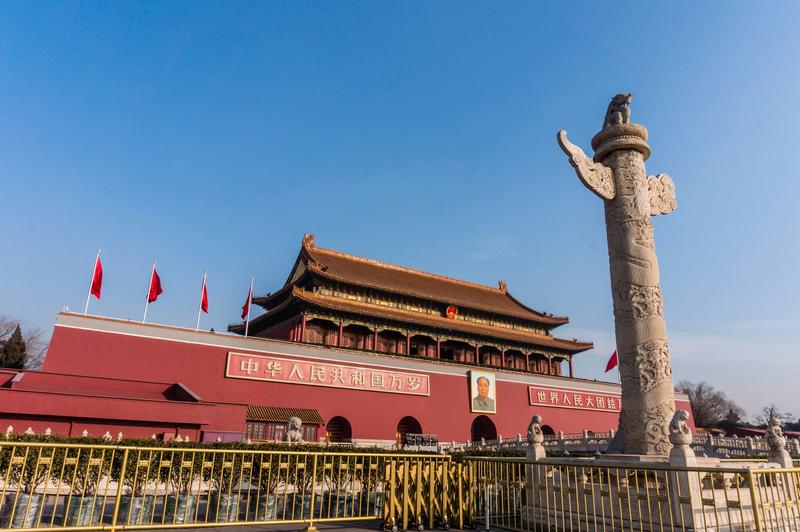
Located on the south side of the traditional central axis of Beijing, Chang'an Avenue, the square is one of the largest in the world. In the center of the square stands the Monument to the People's Heroes, and to the west is the Great Hall of the People, while to the east is the National Museum of China. Across the square is the famous Tiananmen Gate Tower. Every morning and evening, a flag-raising ceremony is held, an activity that people must experience when they first arrive in Beijing. There are many people who visit the flag-raising ceremony in the morning, so it is necessary to plan or arrange travel time in advance.
458
km


5

Day10-12: Beijing > WUHAN > Dalian
14 attraction(s) ·
2422 km
1
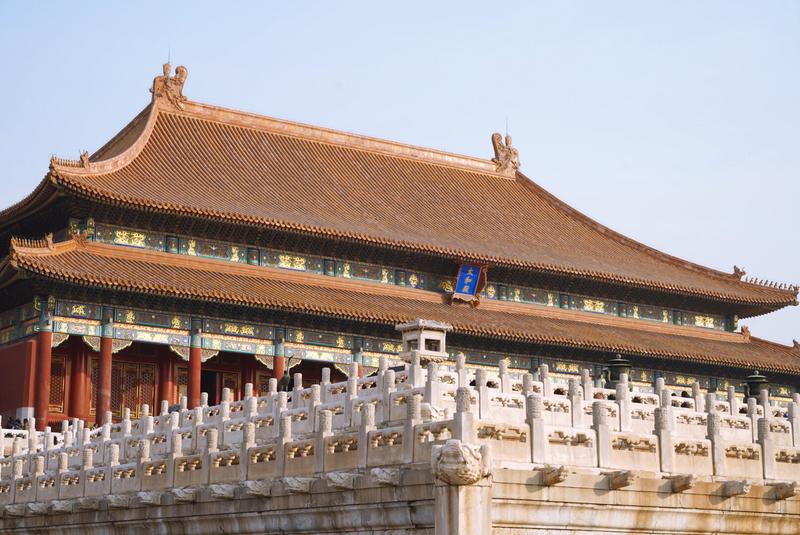
The Forbidden City, also known as the Purple Palace, is one of the world's largest and best-preserved wooden structures, and is the greatest of the world's five palaces. The Inner Court includes the three back palaces, the Qianqing Palace, Jiaotai Hall, and Kunning Palace, as well as the east and west six palaces, which are the residences of feudal emperors and their concubines, also known as the "Three Palaces and Six Courtyards". According to statistics, the Forbidden City houses over one million valuable cultural relics, making up one-sixth of the total national cultural relics. To visit the Forbidden City, one must enter through the Meridian Gate, and exit through the East Prosperity Gate and Shenwu Gate, while in late spring and early summer, the pure white pear blossoms come into full bloom among the red bricks and green tiles, creating a beautiful harmony.
1
km
2
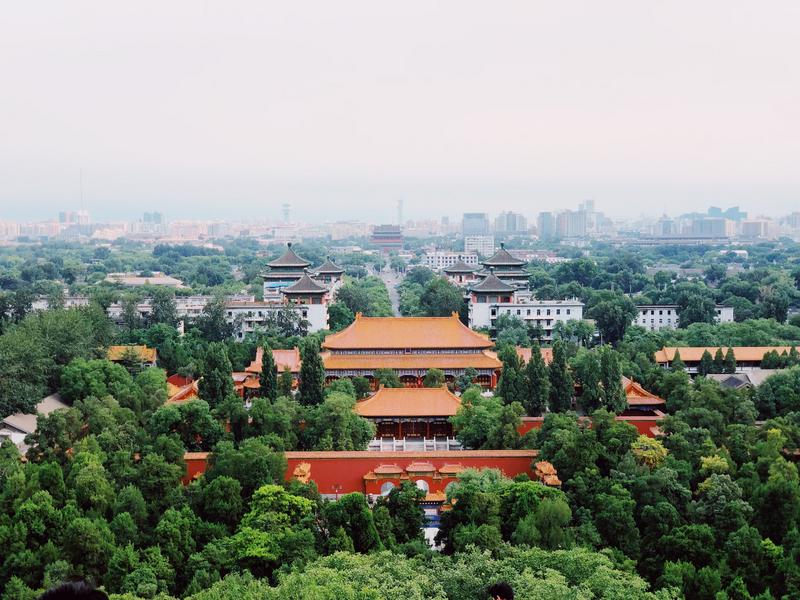
Located at the center of the north-south axis in Beijing, Jingshan Park is adjacent to the south of the Forbidden City, and bordered by Beihai to the west. With the Drum Tower in the north, it is one of the highest points in the center of Beijing. The park boasts ancient trees, unique peaks, majestic palaces, diverse peony varieties, and rich cultural activities. The Wanchun Pavilion in the park is known as the commanding point of the central axis of Beijing, offering a superb view of the panoramic Forbidden City and the whole axis of the city. Jingshan Park is also home to another famous cultural landmark - the suicide site of Emperor Chongzhen.
60
km
3
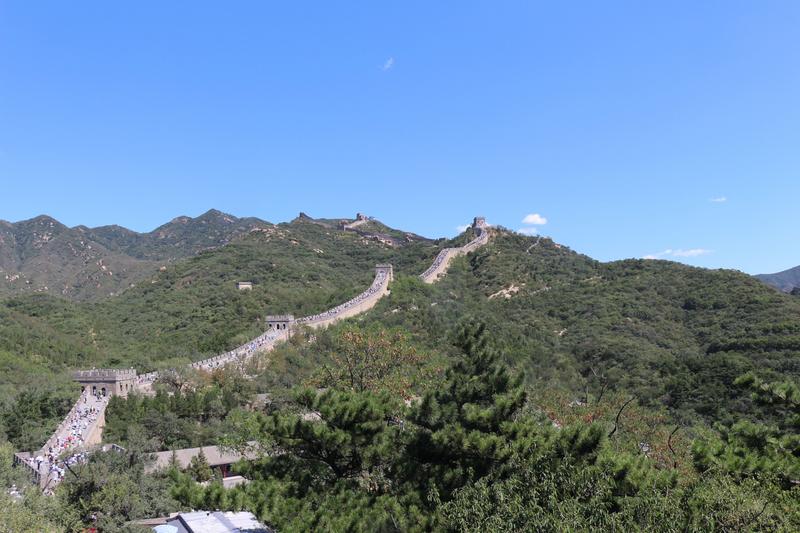
Badaling Ancient Great Wall is located 5 kilometers southwest of Badaling Great Wall Scenic Area, commonly known as the "Ruined Great Wall". It is the west gate of the Badaling Great Wall, with a treacherous terrain, connected by city gates and overlooking turrets. Although it is incomplete, it still has grandeur and beauty. It has not only the beauty of ancient cultural relics, but also the beauty of natural landscape and environment. The Badaling Ruined Great Wall is a witness to history. According to experts, two archaeological sites of value have been discovered in the Ruined Great Wall area. One is the stone quarry where the Great Wall was built, with clearly visible split boulders still retaining chisel marks. The other is the group of brick kilns used to make bricks, providing visitors with insight into the sources of some of the materials used to build the Great Wall. At the Badaling Ruined Great Wall, you seem to travel back in time. Every spring, a large number of photography enthusiasts come to photograph the blooming apricot flowers and fully experience the unique charm brought by this ancient Great Wall.
1099
km
4
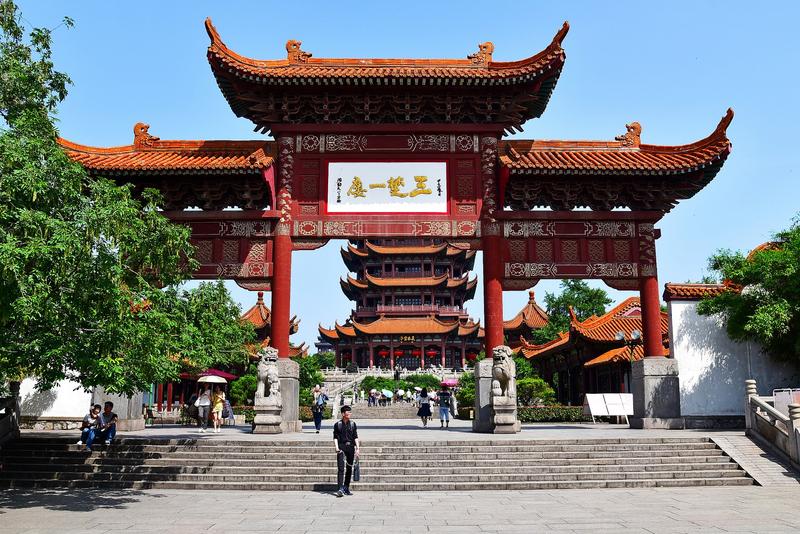
The Yellow Crane Tower is located on the bank of the Yangtze River in Wuchang, near the Yangtze River Bridge. It is renowned as the "Number One Building Under Heaven" and is one of the "Three Famous Towers of Jiangnan". The tower gained its fame from the famous ancient poem "The yellow crane has long since gone, and the white clouds are flying. But the river flows on, and the hills remain" and has been praised in poetry by many literati such as Li Bai and Mao Zedong. Built on the Snake Hill, the top of the tower offers a panoramic view of the beautiful scenery of Wuchang, as well as an expansive view of the Yangtze River. It is one of the most iconic buildings in Wuhan. There are also many stone tablets and carvings in the scenic area, all of which are authentic works of famous people from various periods, possessing extremely high artistic value. In addition, there is a special performance of the Chime and Dance of Chu, a local tradition, at Lomeixuan at 10:30, 11:30, 12:30, 14:00, 15:00, and 16:00 every day, with a ticket price of 30 yuan per person.
1
km
6
This street preserves 38 buildings from the original Far Eastern Belarusian era, making it China's first block with Russian 19th and 20th century architectural styles. It is approximately 500 meters long, with a long history, and has become a block that integrates tourism, shopping, leisure, entertainment, and Russian styles. The block is located within walking distance of Tianjin Street, the busiest commercial pedestrian street in Dalian, and Zhongshan Square, and is also the only way to get to the train station and Dalian Port in the city. There are also many Russian restaurants and small shops selling Russian souvenirs along the street, and interested tourists can go there to taste authentic Russian lunches.
1
km
7
This square was originally built during the Russian occupation and was later renamed as the Grand Square during the Japanese occupation. After liberation, it was renamed as Zhongshan Square in memory of Mr. Sun Yat-sen.
Zhongshan Square has a circular radial shape, with 10 major roads radiating outwards in all directions. The surrounding buildings were built in the early 20th century and feature different architectural styles such as Romanesque and Gothic. For those who love taking pictures, the Western-style buildings in Zhongshan Square are a very good scenic spot.
35
km
9
Located on the east side of Tiger Beach Ocean Park, Fisherman's Wharf is surrounded by natural mountains on both sides, with beautiful scenery. The coastline is about 1,768 meters long, and the west side and southeast corner have natural beaches, making it a unique commercial area that combines tourism, entertainment, culture, dining, shopping, and leisure. Every hour on the hour, the Fisherman's Wharf clock rings, reminding people to cherish the fleeting and beautiful moments.
6
km


12
A square located in the southern coastal scenic area of Dalian has become one of the city's landmarks. It is oval-shaped and covers an area larger than two Tiananmen Squares. The central avenue runs through the center of the square. Here, visitors can watch musical fountains and various sculptures and should not miss the opportunity to see the sea view and feed the seagulls. Every summer, a large-scale beer festival is held here, and the entire square becomes a bustling carnival venue.
1
km
13
Binhai Road is a picturesque coastal road that stretches over 30 kilometers and features many famous attractions along the way, making it an excellent destination for walking and photography.
As a symbol of love, Binhai Road connects mountains and the sea, earning it the nickname "Lovers' Road."
Starting from Hai Zhi Yun Park, Bangchui Island, and Tiger Beach Ocean Park going eastward, the central part includes Yanwo Hill and Beida Bridge, while connecting to Forest Zoo and Xinghai Square from the west.
Most people choose to take the city sightseeing bus to tour Binhai Road, but hiking enthusiasts can also choose to walk certain sections of the road.
31
km