Europe in 18 days: Madrid
10 cities |
44 attraction(s) |
total distance 12955
km
 TIPS
TIPS
Day1
Day2
Day3
Day4
Day5
Day6
Day7
Day8
Day9
Day10
Day11
Day12
Day13
Day14
Day15
Day16
Day17
Day18
Day1: Bogota
1 attraction(s) ·
0 km
1

Day2: Madrid
2 attraction(s) ·
15 km

2
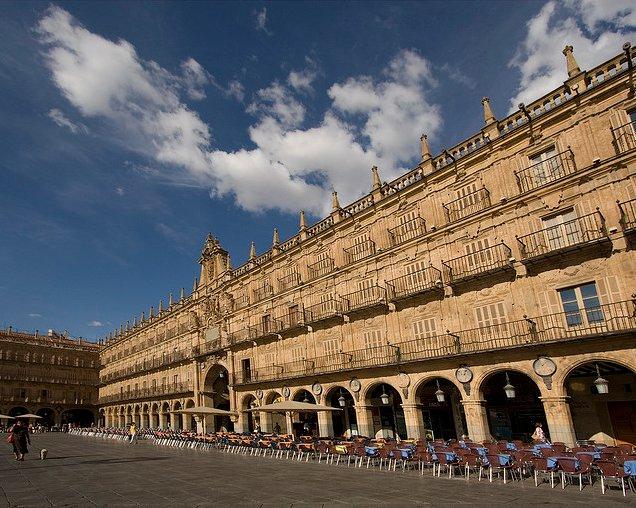
The main square, also known as Plaza Mayor or Plaza de Mayor, located in the center of Madrid, is a historic square built during the Habsburg dynasty, adjacent to Puerta del Sol. The square is rectangular, 129 meters long and 94 meters wide, surrounded by three-story residential buildings with 237 balconies facing the square. There are nine entrances to the square. The main building of the square is Casa de la Panadería, serving both as a municipal building and a cultural center. Its exterior walls are covered with murals.
Day3: Madrid
3 attraction(s) ·
4 km
1
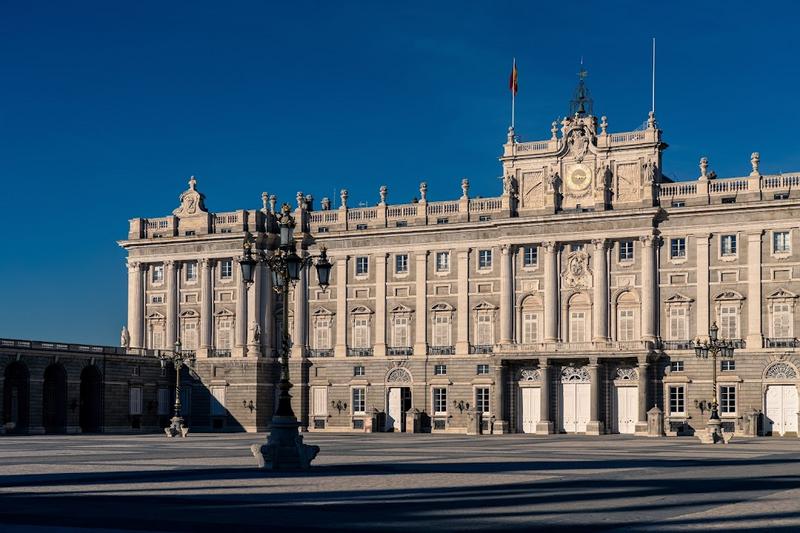
18th-century, ridge-top palace for state occasions, plus tours with rooms full of art and antiques.
2
km
2
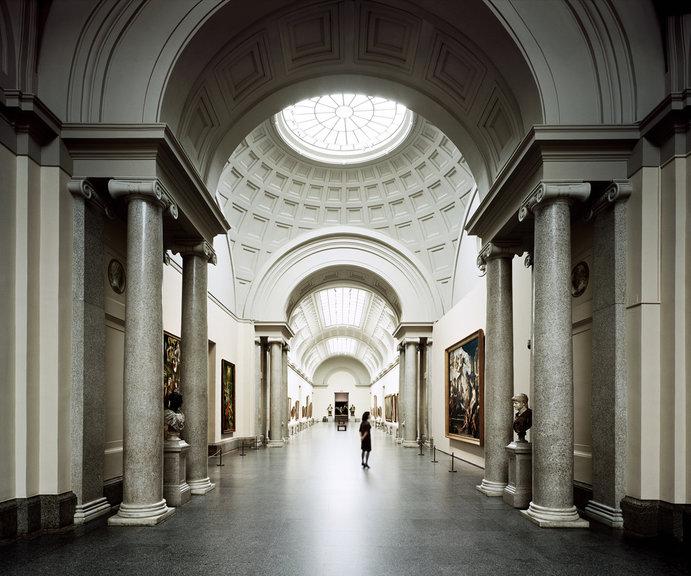
The Prado Museum is one of the world's most famous museums and one of Madrid's most popular attractions. It collects the best works of Spanish art from the 16th to the 19th century, including works by famous artists such as Velazquez, Goya, and Greco, as well as works by many foreign Renaissance painters such as Tintoretto of the Italian Venetian school, Rubens of the German Baroque school, and Hieronymus Bosch of the Dutch surrealism painters.
The museum's collection contains over 27,509 works, including 7,825 oil paintings, which is a lot for visitors to take in. Unlike large museums like the Louvre in Paris and the National Gallery in London, which collect works from different eras and different stylistic schools, the works in the Prado Museum were donated by the royal family, so the styles are relatively similar.
The Prado Museum was first built by King Carlos III in 1786 and opened to the public in 1819. Many famous painters such as Monet, Renoir, Lautrec, Picasso, Matisse, and Dali have visited the museum and been influenced by the styles of their paintings.
2
km
3
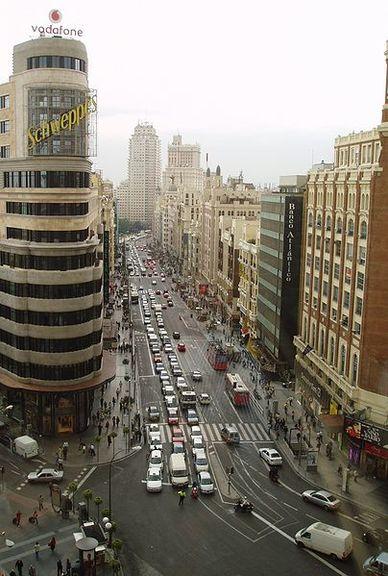
Gran Via is a bustling high-end shopping street in the center of Madrid, with its starting point at Alcala Street and ending at the Plaza de Espana. It is one of the city's most important shopping areas, with many hotels, cinemas, and grand buildings. Although most of the theaters have been replaced by shopping malls, it remains a must-visit tourist destination. In the mid-19th century, Madrid's city planners decided to build a new avenue leading to the Plaza de Espana and carried out large-scale demolitions. However, because construction plans did not begin for decades, the road was considered the "Great Way" (Gran Via). Finally, in 1904, the plan was approved, and construction began two years later. The last section was completed in 1929. Today, Gran Via has become synonymous with fashion shopping, architecture, and culture.
Day4: Prague
4 attraction(s) ·
2 km
1
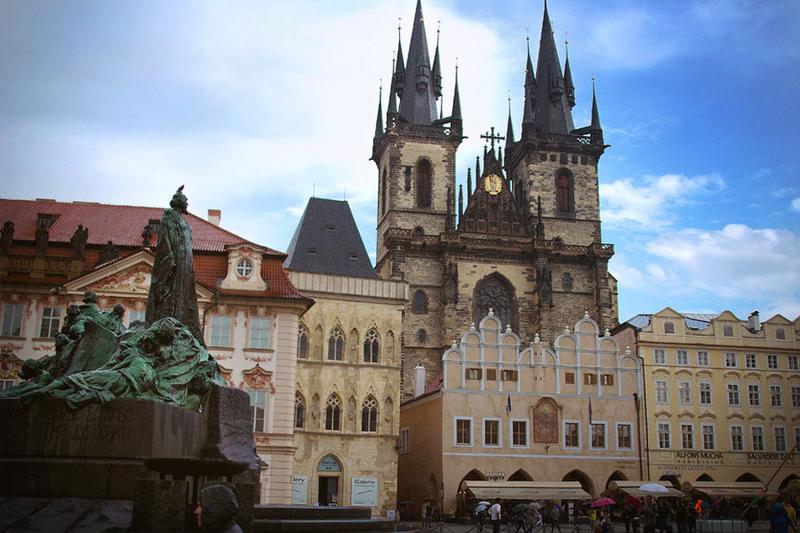
Old Town Square, also known as Hus Square, has a history of over 900 years. Located between Wenceslas Square and Charles Bridge, it is one of the most famous squares in Prague, attracting countless tourists and residents, especially crowded in the summer. The buildings around the square are of various styles, including the Gothic-style Tyn Church and the baroque-style St. Nicholas Church, as well as many cafes and restaurants. Many churches on the square and the famous astronomical clock on the exterior wall of the old town hall attract numerous tourists. In addition, the square also offers a panoramic view of the old town for tourists. A statue of Hus, the pioneer of the Reformation, stands in the square and has become a tourist landmark. Tourists sticking "wishing notes" on the pedestal of the Hus statue has also become a scene in the square. Although Jolin Tsai mistakenly referred to the pedestal of the Hus statue as Rome's wishing pool in her song "Prague Square," the song still attracts global attention to Old Town Square. In 2014, the Prague city government cleaned and maintained the Hus statue, and the "wishing wall" on the pedestal no longer exists, but the square is still an oasis in the hearts of tourists.
1
km
2

Medieval timepiece on the facade of city hall displaying the twelve apostles as the clock strikes.
1
km
3
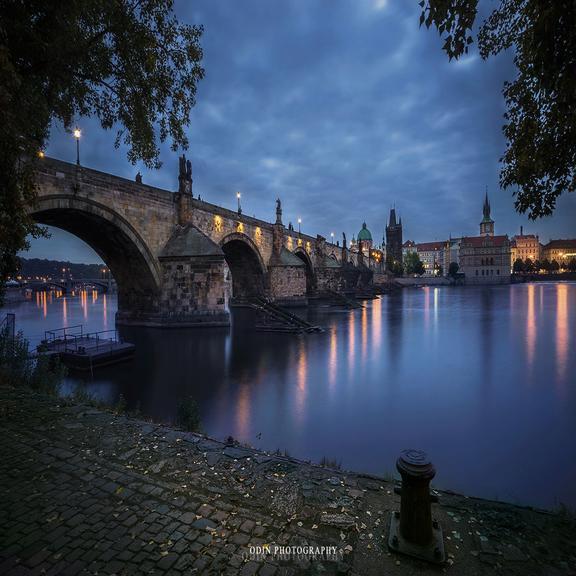
The Charles Bridge, situated in the city center of Prague, Czech Republic, was constructed in the 14th century over the Vltava River. This 520-meter-long and 10-meter-wide stone bridge is a highly valuable and historically significant piece of architecture. Located next to the Prague Castle complex and the Old Town, it was the mandatory route for coronation processions of the monarchs in the past.
As you stroll across the bridge, you can witness street performances by artists and a variety of handicrafts. There are also plenty of artworks to be found, such as watercolor paintings depicting the Charles Bridge and puppets dressed in traditional Czech and court attire.
With a total of 30 statues of saints, this is the oldest and longest bridge in Europe, and has become renowned as an open-air baroque statue museum of Europe, thanks to the masterpieces of Czech baroque artists from the 17th and 18th centuries. While many of the statues have been replaced with replicas, there are still plenty of artworks and cultural heritage to appreciate for the visitors. Notably, the eighth statue on the right-hand side of the bridge is the guardian of the Charles Bridge, St. John. In the middle of the fence lies a golden cross indicating the spot where he was thrown off the bridge.
1
km
4

Day5: Prague
4 attraction(s) ·
3 km
1
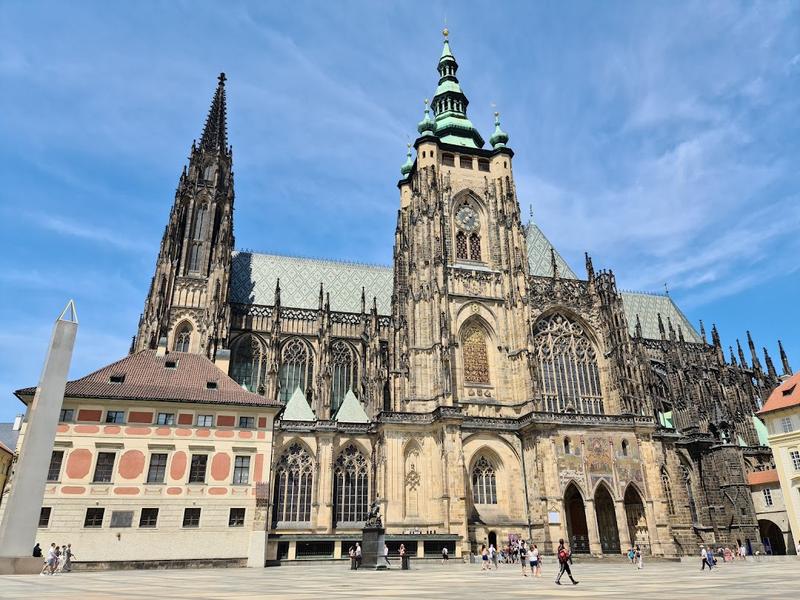
Vast castle complex with buildings revealing architecture from Roman-style to Gothic & 20th century.
1
km
2
The Charles Bridge, situated in the city center of Prague, Czech Republic, was constructed in the 14th century over the Vltava River. This 520-meter-long and 10-meter-wide stone bridge is a highly valuable and historically significant piece of architecture. Located next to the Prague Castle complex and the Old Town, it was the mandatory route for coronation processions of the monarchs in the past.
As you stroll across the bridge, you can witness street performances by artists and a variety of handicrafts. There are also plenty of artworks to be found, such as watercolor paintings depicting the Charles Bridge and puppets dressed in traditional Czech and court attire.
With a total of 30 statues of saints, this is the oldest and longest bridge in Europe, and has become renowned as an open-air baroque statue museum of Europe, thanks to the masterpieces of Czech baroque artists from the 17th and 18th centuries. While many of the statues have been replaced with replicas, there are still plenty of artworks and cultural heritage to appreciate for the visitors. Notably, the eighth statue on the right-hand side of the bridge is the guardian of the Charles Bridge, St. John. In the middle of the fence lies a golden cross indicating the spot where he was thrown off the bridge.
1
km
3
This dance hall is said to be the largest in Central Europe, and it used to be a spa and wellness center. Currently, each floor has been transformed into a separate dance hall.
2
km
4

Buzzy club with a warehouse vibe specializing in some of the harder forms of dance music.
Day6: Vienna
3 attraction(s) ·
1 km

2
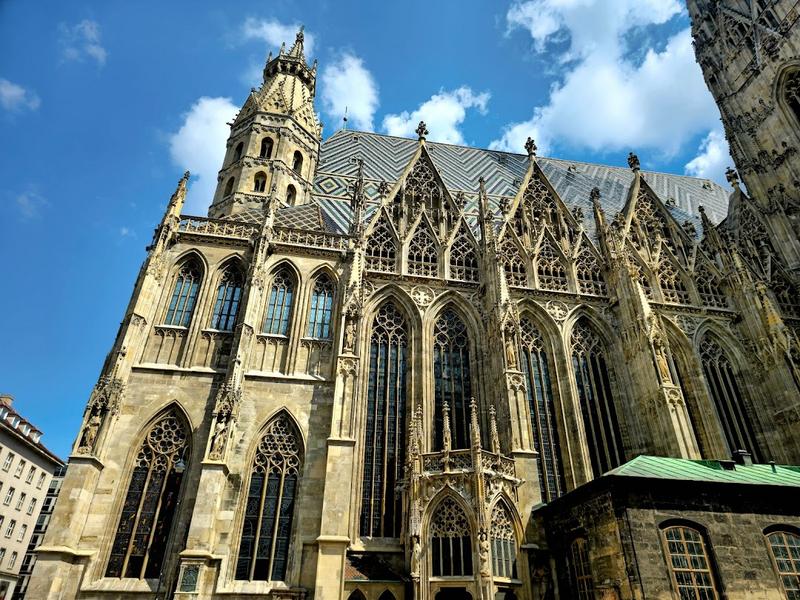
Medieval Roman Catholic place of worship with an ornate spire, catacombs & a treasury museum.
1
km
3
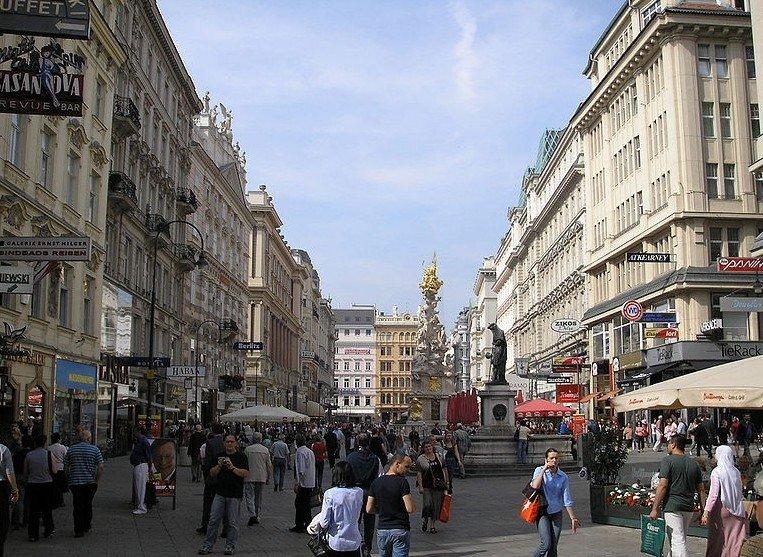
The street named "Graben" is named after its ditch-like shape. It is a famous street in the inner city of Vienna, the capital of Austria, and a vibrant shopping district surrounded by many brand stores, clothing stores, restaurants, and outdoor cafes.
Day7: Vienna
2 attraction(s) ·
5 km
1
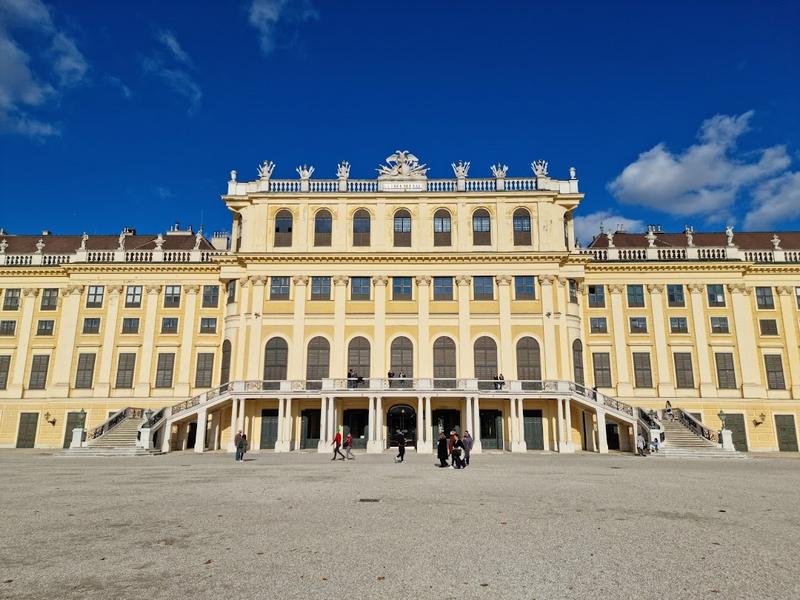
18th-century summer palace with tours of lavish rococo ceremonial rooms, plus gardens with a maze.
5
km
2
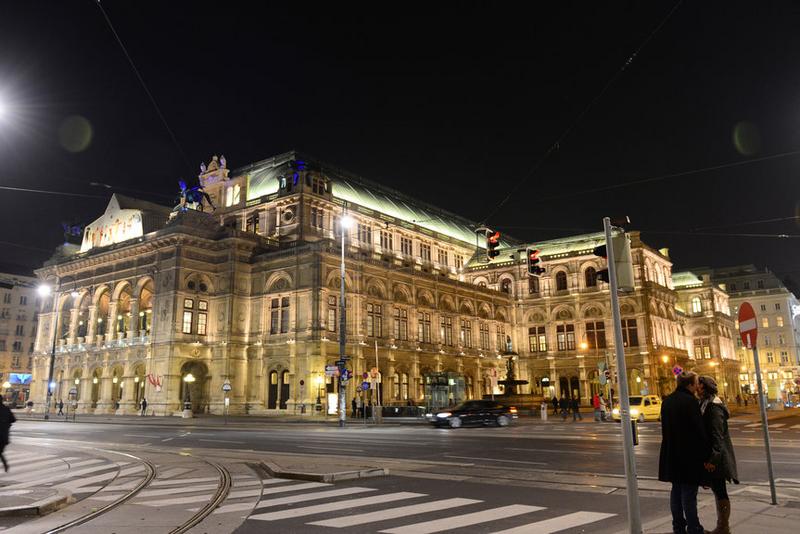
Vienna State Opera, located on the Ringstrasse in the heart of Vienna, is one of the world's most renowned opera houses and a major symbol of Vienna. Built in 1869, its inaugural performance was Mozart's "Don Giovanni," and it quickly became the center of the opera world, earning the nickname "the world's opera capital."
The State Opera is a grand neoclassical building constructed with yellow marble. It features five arches on the main entrance, each representing heroism, drama, imagination, art, and love, with bronze statues of the five opera goddesses.
Spanning 9,000 square meters, the opera house has 6 tiers of seating. The walls of the foyers and corridors are adorned with magnificent oil paintings depicting scenes from the most famous works of celebrated composers, including Mozart's "The Marriage of Figaro," "The Magic Flute," and "Don Giovanni," Beethoven's "Fidelio," Rossini's "The Barber of Seville," and more.
During World War II, the stage of the Vienna State Opera was destroyed by Allied bombing, and in 1945, the entire building was consumed by fire. The opera house we see today is a reconstruction, completed in 1955 with over 2,200 seats, and it premiered with Beethoven's "Fidelio" conducted by Karl Böhm on November 5th.
Day8: Rome
2 attraction(s) ·
1 km
1
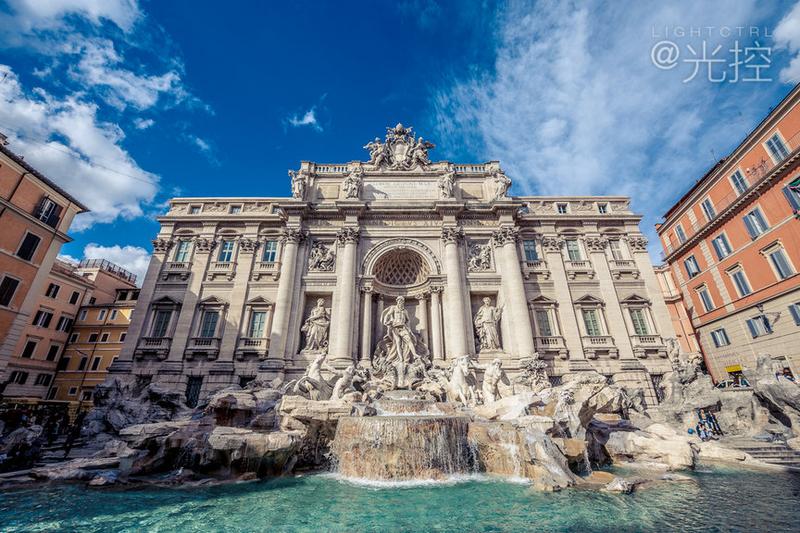
Trevi Fountain, also known as the Wishing Pool, is located at a crossroads in ancient Rome. According to legend, in 19 BC, a Roman technician helped bring in water from out of town to help a young girl, and this aqueduct was named after the girl. The fountain built afterwards was also called the Girl Fountain. The fountain was built next to the Palazzo Poli and took 30 years to complete, and was finished in 1762. The theme is the sea god Neptune returning victorious. In the center of the fountain, the sea god Neptune stands on a sea shell-shaped chariot, with two horses pulling the chariot, symbolizing turbulence and tranquility, and on either side there is a goddess representing abundance and health. Four goddesses on the wall represent the four seasons. According to Roman tradition, standing with your back to the fountain, throwing a coin over your left shoulder through your heart once will bring you back to Rome, throwing two coins will bring you a romantic encounter, and throwing three coins will make your love dreams come true.
1
km
2
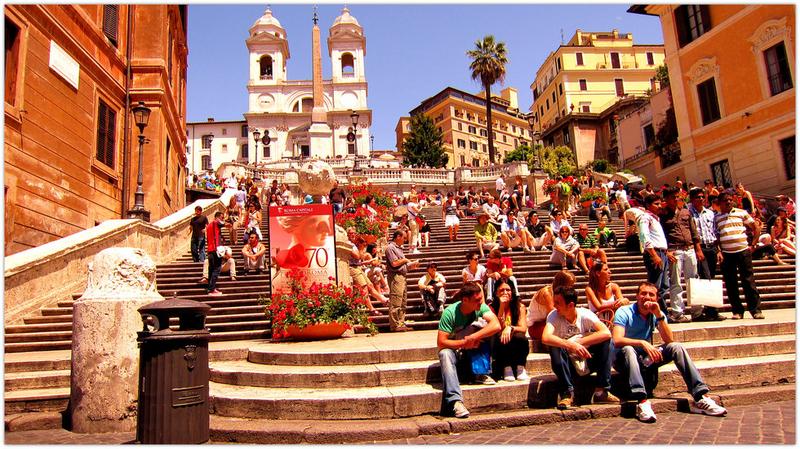
The Spanish Steps do not have many unique features, it only became a world-renowned tourist spot because Audrey Hepburn ate ice cream on the steps in "Roman Holiday". However, starting from the Condotti Street across the steps, you will find all the top brands and flagship stores you know here. Even the first store of Bvlgari jewelry opened nearby. In addition, the broken boat fountain under the Spanish Steps is designed by Pietro Bernini, and has a very special shape. If you feel tired, you can go to Caffe Greco nearby for a cup of coffee, which is one of the oldest cafes in Rome and attracts many visitors.
Day9: Rome
1 attraction(s) ·
0 km
1
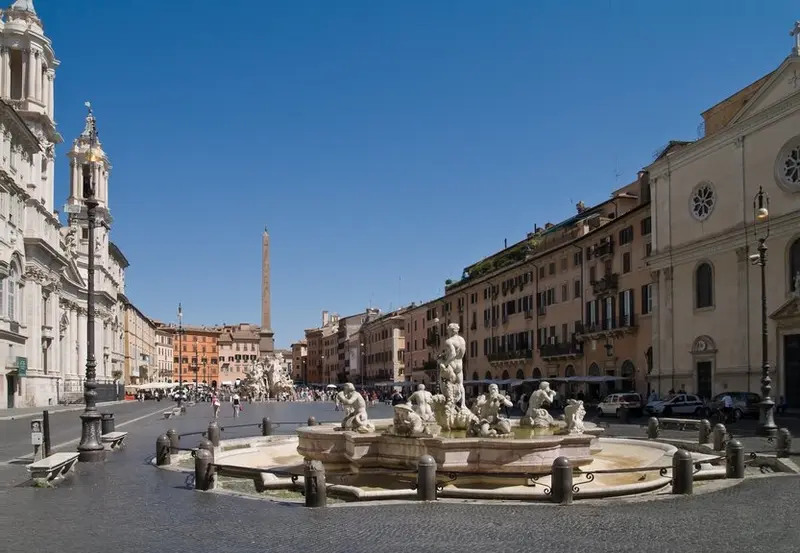
Piazza Navona is an open square with three famous fountains: the Fountain of Neptune, the Four Rivers Fountain, and the Moor Fountain, all created by master artists. Although not very large, the square is bustling with street artists and acrobats. The surrounding buildings are considered the most beautiful Baroque architecture in Rome.
Day10: Rome
5 attraction(s) ·
5 km
1
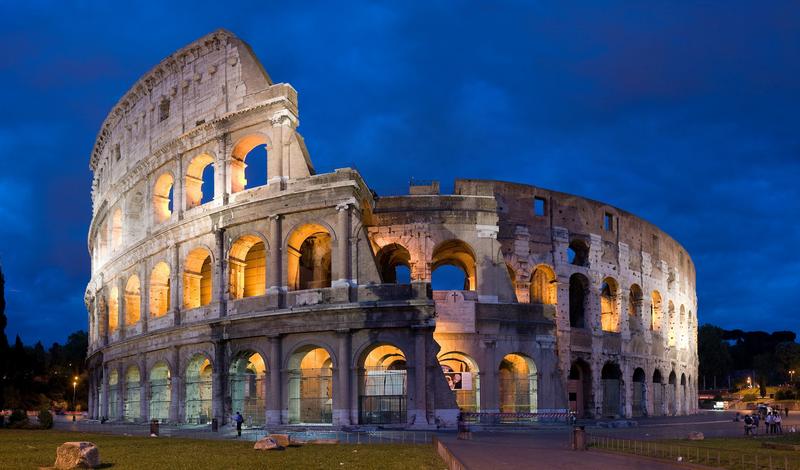
The Colosseum is one of the most famous buildings of ancient Rome and the largest circular amphitheater of the empire. Built between 72 AD and 82 AD on the site of Nero's Golden House, it could accommodate up to 50,000 people. The Colosseum was commissioned by Emperor Vespasian and completed under his son Titus, with later renovations by Domitian. It served as a venue for animal hunts and gladiator games until 523 AD. According to Cassius Dio, the opening ceremonies lasted 100 days and 11,000 animals were killed. Earthquakes in 442 AD and 508 AD caused severe damage to the structure, and it was further destroyed during the Middle Ages and used as a fortress. In the 15th century, the Vatican began protecting the Colosseum as a holy site due to early Christian martyrs who were said to have been killed there. The design of the Colosseum was based on Greek theaters, but with the addition of arches, spectators' seats were built on top to form a circular amphitheater. There were also canopies suspended by cables to shade spectators and aid ventilation. Under the arena were various tunnels and chambers for storing props, animals, and gladiators, which could be lifted onto the stage during performances. The Colosseum even had a water channel to create a lake for naval battles.
1
km
2
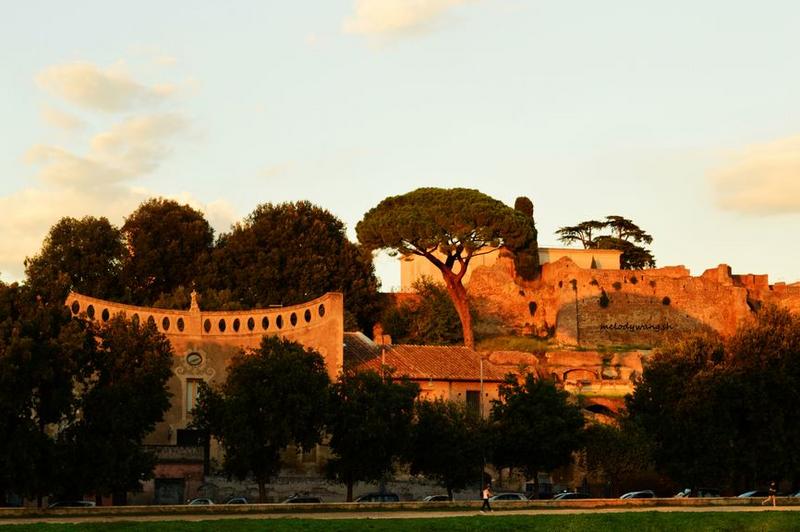
The Ancient Roman ruins, also known as the Ancient Roman Square, Ancient Roman Market, or Ancient Roman Ruins, are located between the Palatine Hill and the Capitoline Hill in Rome, Italy. They form the center of the Ancient Roman city, including many old and important buildings. Caesar spent a huge sum of money to build a square, which was completed and put into use in 46 BC, but it was not until the Augustan period that it was completed. The Temple of Mars Ultor is one of the tallest buildings standing in the Subla Plebeian district. Augustus added a memorial square, which became a right angle with Caesar's square and was officially put into use in 2 BC. Tiberius decided to connect all the squares in the area, and after his death, his successor Nero named it the Nero Square or Transform Square. The building complex in the square includes the Triumphal Arch of Titus, the Temples of Antoninus and Faustina, the Senate, the Sacred Road, and the Hall of Marcus Aurelius and Constantine, making it an important cultural heritage of Rome.
2
km

4

This community is full of liveliness, as if being in a traditional Italian town. Residents shop, chat, and taste rich Italian coffee while also managing their daily affairs.
2
km
5
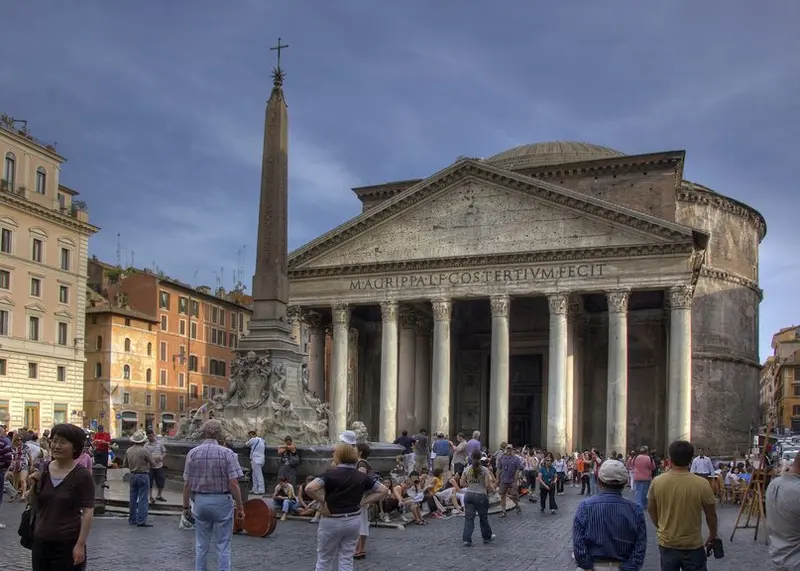
The Pantheon, located in Rome, is a religious building from ancient Roman times which was later converted into a church known as the Church of Santa Maria ad Martyres. The Pantheon was initially built in 27 BC to commemorate the victory of Octavian over Antony and Cleopatra. However, the original temple was destroyed by fire in 80 AD and was not rebuilt until 125 AD. Inscriptions on the colonnade wrongly attributed the building to the assistant of Octavian, Agrippa, until it was discovered in 1892 that the entire structure was built by Roman Emperor Hadrian. During the Renaissance, the Pantheon became a study point for Italian architects and had a significant influence on western architectural history. The building's structure is simple and circular, topped with a 43.3-meter diameter dome, which was the largest in the world until 1436. The interior of the dome has five tiers of recesses, giving a sense of upward movement. The colonnade of the building is made up of 16 granite columns, each 12.5 meters tall with a base diameter of 1.43 meters. The entire structure of the Pantheon was constructed using poured concrete, with the dome gradually thinning out to reduce the weight. The concrete used by the ancient Romans was a mix of natural volcanic ash from near Naples and various aggregates. The Pantheon is a testament to ancient Roman architecture and has influenced the design of many public buildings. It has also been a burial site for important figures since the Renaissance, including artists Raphael and Annibale Carracci.
Day11: Florence
2 attraction(s) ·
1 km
1
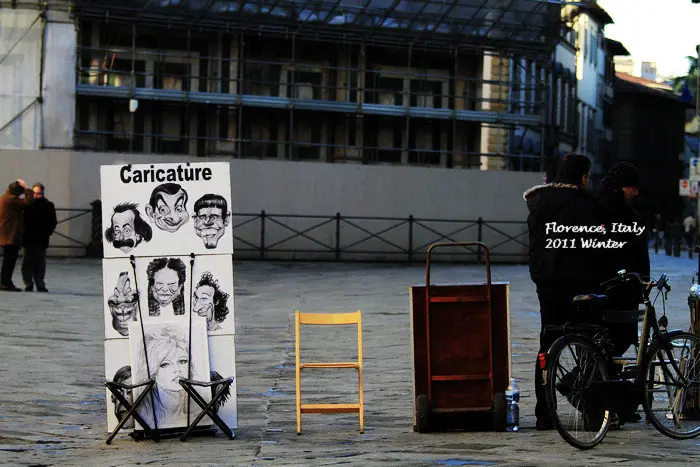
The Cathedral Square (Piazza del Duomo) in the center of Florence is known for its iconic buildings, including the Cathedral of Santa Maria del Fiore, the Baptistery of St. John and Giotto's Bell Tower. It is a must-visit for travelers and offers a vibrant atmosphere where you can feel the cultural heritage of Florence. The square is bustling with people and is one of the few tourist destinations in Florence.
1
km
2

Landmark 1200s cathedral known for its red-tiled dome, colored marble facade & elegant Giotto tower.
Day12: Florence
3 attraction(s) ·
3 km
1

16th-century building housing vast collection of Primitive & Renaissance paintings & masterpieces.
2
km
2
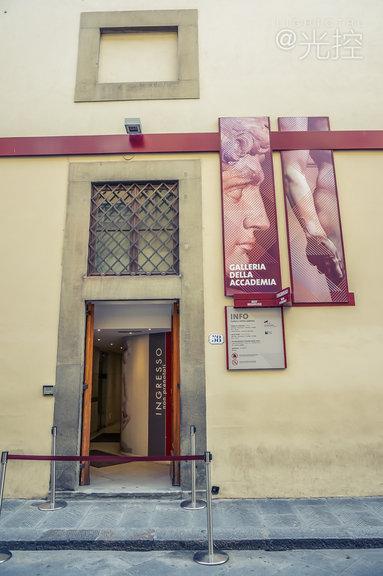
Accademia di Belle Arti di Firenze, also known as Florence National Academy of Fine Arts of Italy, was founded in 1339. It is the world's first art academy and a product of European Renaissance. Due to its significant contributions to the world of fine arts and fine arts education, it is known as the "highest institution of fine arts in the world" and the "royal academy of realist masters". Along with Paris National Higher School of Fine Arts, St. Petersburg Academy of Fine Arts and Royal Academy of Arts, it is considered as one of the top four fine arts academies in the world.
The academy has attracted the most outstanding artists in the world, including Leonardo da Vinci, Michelangelo, Vasari, Francesco, Titian, Giambologna, and David, among others. They have contributed numerous outstanding works, making the Florence National Academy of Fine Arts a witness to the development of world civilization and a milestone in art and education.
The academy also has an art museum for young artists to study. The museum houses the original version of Michelangelo's David, which was once placed outdoors in the Piazza della Signoria of Florence. It is now protected by the academy.
2
km
3
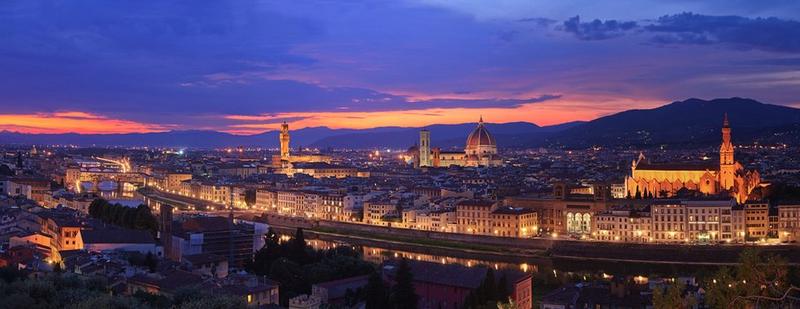
Piazzale Michelangelo is a place located on the south end of the city center of Florence. It is often the first stop for many tourists visiting Florence because from this square, one can enjoy a panoramic view of the city and see the symbol of Florence, the David statue.
Day13: Florence > Pisa > Barcelona
5 attraction(s) ·
795 km


4
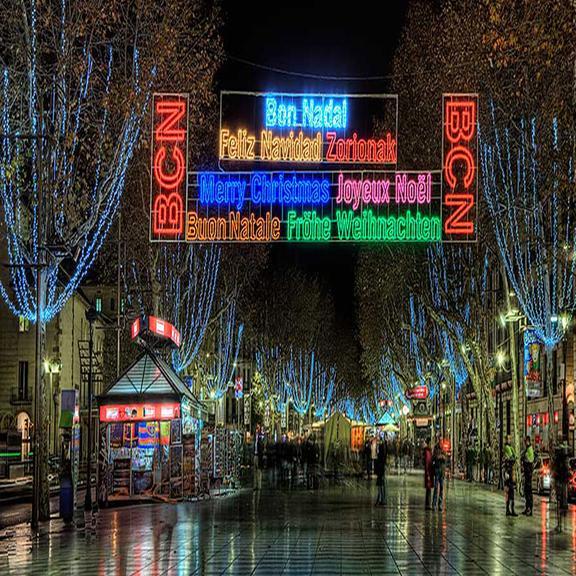
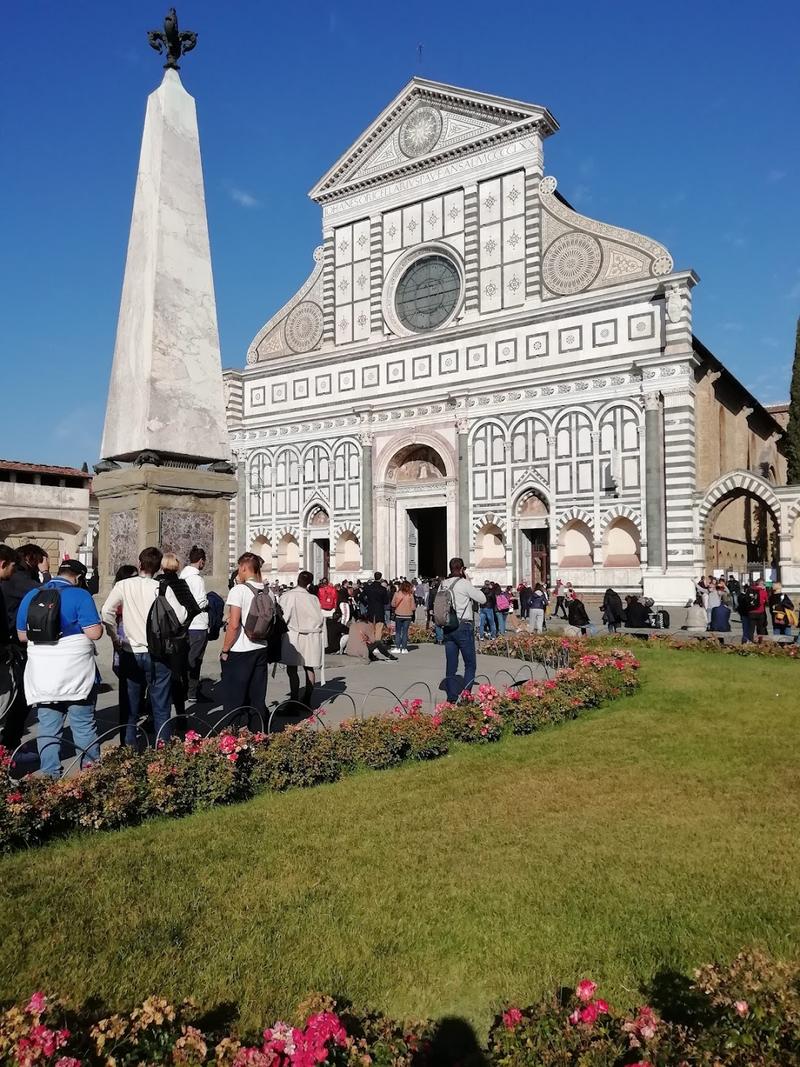
La Rambla is one of the liveliest streets in Spain and is also known as the "The Wanderer's Street" in the works of Yu Qiuyu. It attracts performance artists and tourists from all over the world. During the day, La Rambla is a paradise for street art and food, with the famous Boqueria Market located on the side of the street. After midnight, it becomes a playground for Barcelona's nightlife, especially in the La Raval area to the west, where there are various themed bars.
In addition, La Rambla connects Plaza de Catalunya and the Mediterranean Bay. Walking along La Rambla to the beach in the Mediterranean sunshine will give you a firsthand experience of Barcelona's colorful and joyful atmosphere! If you don't like crowded crowds, you can also choose to explore the historical Gothic Quarter to the east or La Raval area beloved by hippies (often with their own pets) on both sides of the street. But be sure to keep an eye on your wallet and valuables.
1
km
5
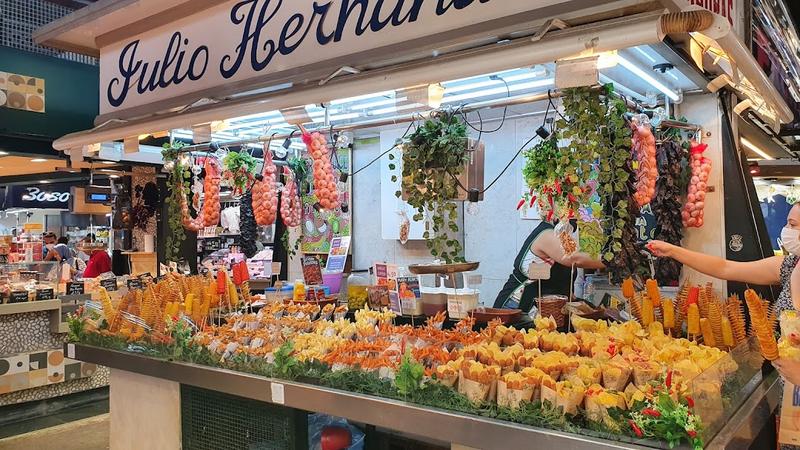
Famous indoor public market with meat, produce, cheese & an array of other food in a bustling space.
Day14: Barcelona
3 attraction(s) ·
7 km
1
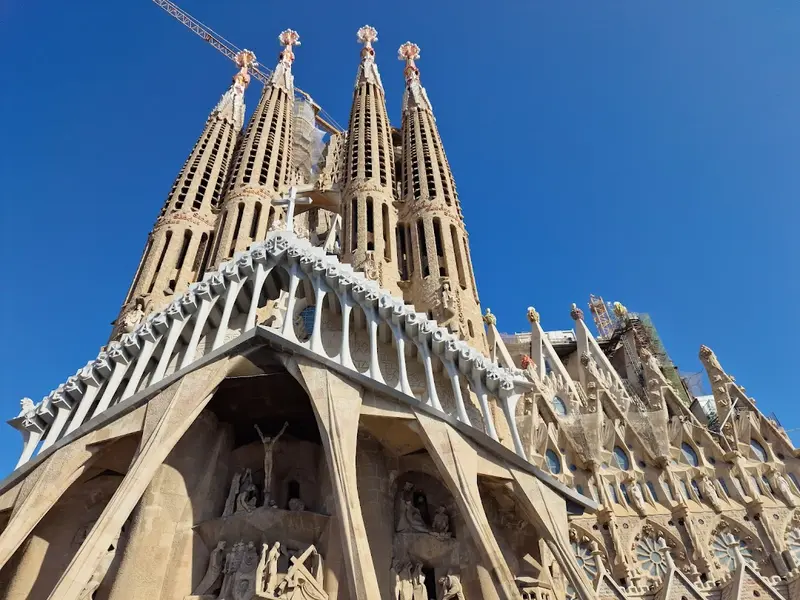
Antoni Gaudí's renowned unfinished church, started in the 1880s, with museum and city views.
3
km
2

Mosaic-covered buildings, steps & sculptures in verdant park with Gaudi museum & panoramic views.
5
km

Day15: Malaga
2 attraction(s) ·
1 km


Day16: Malaga
2 attraction(s) ·
2 km
1

Hilltop Moorish-style medieval fortress overlooking the sea, with lush, fountain-filled gardens.
2
km
2

Long, sandy city beach backed with seafood shacks, with a playground & rental loungers/umbrellas.
Day17:
0 attraction(s) ·
0 km
Day18: Badajoz
1 attraction(s) ·
0 km
1