Discover the Charms of Taiwan
11 cities |
21 attraction(s) |
total distance 2600
km
 TIPS
TIPS
Day1
Day4
Day6
Day1: Taipei > Hualien > Taroko National Park > Xincheng > shou feng > Kaohsiung > Tainan > Pingtung County > Taitung > Orchid Island
11 attraction(s) ·
689 km
1
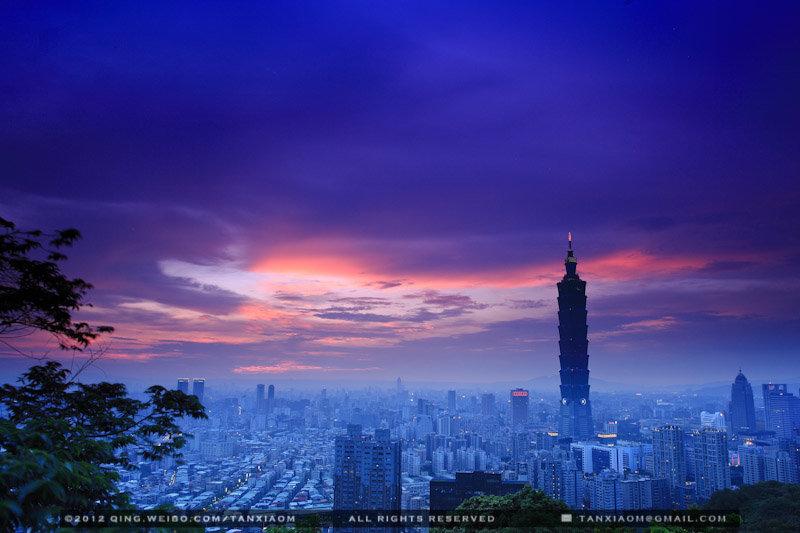
Taipei National Palace Museum is known as the "Treasure House of Chinese Culture" and houses a rich collection of artifacts from the Song, Yuan, Ming, and Qing dynasties. With a total of 655,000 exhibits, the museum also features the Chih-shan Garden, the Chi-te Garden, and the Chang Dai-chien Memorial Gallery, all designed with traditional Chinese garden aesthetics. The museum's architecture resembles a Chinese palace, with three floors dedicated to exhibitions and a fourth floor for a tea house. Visitors can preview the exhibits on the museum's website before their visit to better appreciate the museum's highlights. Treasures such as Fan Kuan's "Travelers Among Mountains and Streams," Guo Xi's "Early Spring," and Li Tang's "Wanhaosong Fengtu" can only be seen during special exhibitions. The busiest periods for visitors are from 10:00 to 12:00 and 14:00 to 16:00, with tour groups often focusing on the jade, porcelain, and bronze sections. For a quieter experience, it is recommended to visit the calligraphy and painting galleries during these peak times and then explore the popular exhibits when the crowds thin out. The quietest visiting hours are during the evening sessions on Fridays and Saturdays, as the number of visitors decreases after 17:00.
105
km
2
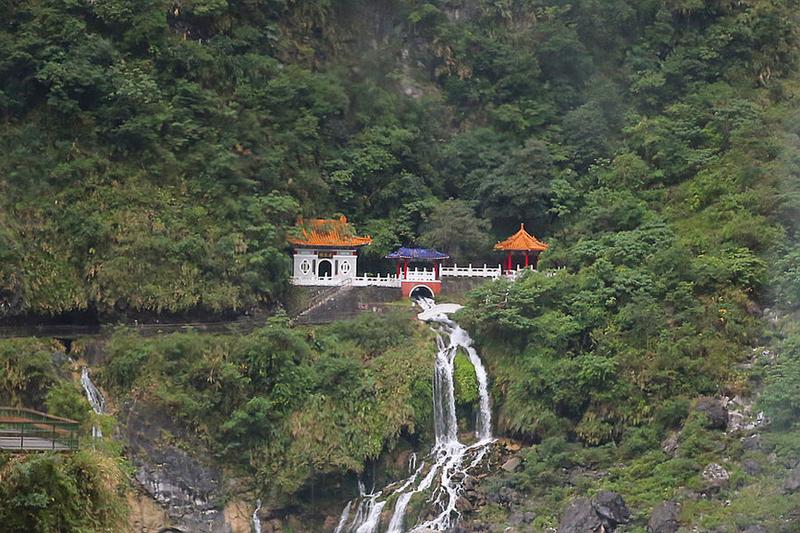
Taroko National Park is the fourth national park in Taiwan, established on November 28, 1986. Its predecessor was the semi-high Taroko National Park (1937-1945) established during the Japanese colonial era, and it later became a national-level scenic area. The park is located in eastern Taiwan, spanning Hualien County, Taichung City, and Nantou County, and includes the Central Cross-Island Highway, the first highway to cross the island of Taiwan.
6
km
3
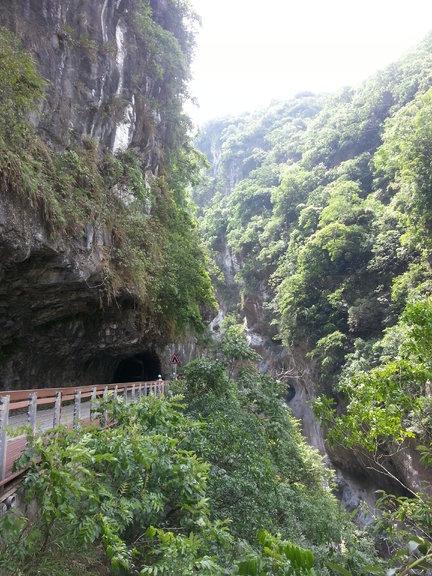
Yanzikou, located along the Central Cross-Island Highway, is the most beautiful section of the Liwu River Canyon and a must-pass route to the Cimu Bridge. The Yanzikou Trail is nearly 5 kilometers long, starting at Yanzikou and ending at the Jingxing Bridge. Along the way, visitors can admire many breathtaking landscapes such as the Taroko Gorge, the Huxu Cave, the Yungquan Spring, and the Indian Chief Rock. The scenery is truly picturesque. In the narrowest part of the Liwu River Canyon, visitors can feel the wonder and magnificence of nature.
16
km
4

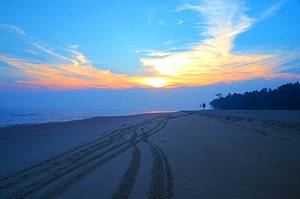
Sweeping swimming beach where mountains meet the sea, offering dramatic views, trails & pavilions.
16
km
5
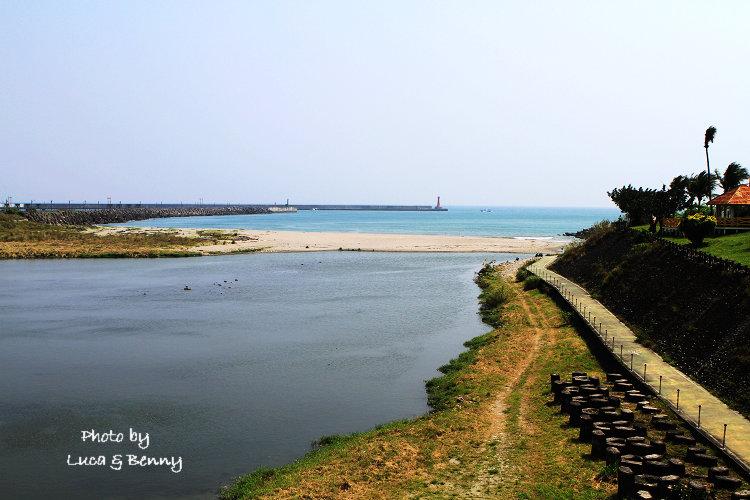
Eastern Coast National Scenic Area is located along the coastal areas of Hualien and Taitung in Taiwan, spanning the Pacific Ocean and the eastern coast mountains. With a length of nearly 170 kilometers, it is the largest national scenic area in Taiwan. The area is characterized by three representative attractions: Shitiping, Sanxiantai, and Xiaoyeliu. The Xiuguluan River and Ruisui are also popular tourist destinations. Visitors can also enjoy activities such as rafting, whale-watching, and diving to experience the unique coastal landscapes and rich indigenous culture in the area. These elements combine to create the enchanting charm of Taiwan's eastern coast.
192
km
6

Bustling outdoor market with entertainment & many vendors selling food, handicrafts & other goods.
7
km
7

Cijin District is a region under the jurisdiction of Kaohsiung City in Taiwan, located on Cijin Island. It is the smallest area in Kaohsiung City, second only to Yancheng District.
43
km
8
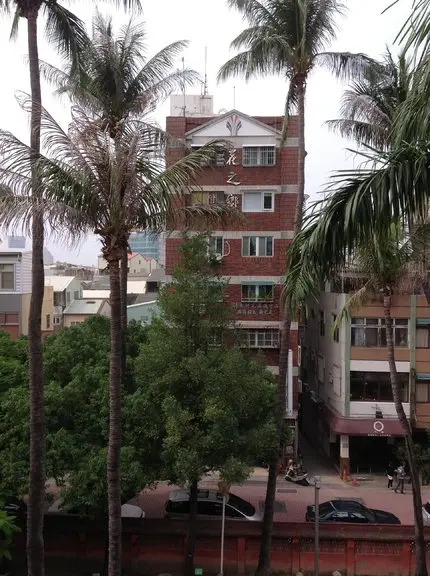
Chikan Tower is one of the must-visit attractions in Tainan. This European-style building, built during the Dutch colonial period, was once the administrative center of Chengtian Government during the Ming and Zheng periods, making it the administrative center of Taiwan. Over time, the architectural style of Chikan Tower has evolved and has faced natural disasters and war, experiencing vicissitudes. Today, Chikan Tower has become a blend of modernity and tradition, including the remains of the Pro-Ming Dynasty City, the Sea God Temple, and the Wen Chang Pavilion, showcasing its rich historical and cultural heritage.
The charm of Chikan Tower not only lies in its diverse architectural styles but also in its rich stories. Whether it's opening the windows on the tower or the legend of the stone turtles, it never fails to captivate visitors. In addition, while the courtyard of Chikan Tower may be small in size, it is equally exquisite and charming, giving people a deep sense of ancient elegance, as if transported to the ancient city of Tainan. If you want to delve deeper into the history and culture of Tainan, Chikan Tower is a great choice.
It is worth mentioning that Chikan Tower has now become part of the daily life of Tainan residents. At night, with jazz music and colorful lights, Chikan Tower takes on a whole new atmosphere and becomes a hub for local foods and snacks. While indulging in the tantalizing aromas and flavors, you can also experience the intertwining of history and modern culture. It is a not-to-be-missed attraction.
131
km
9
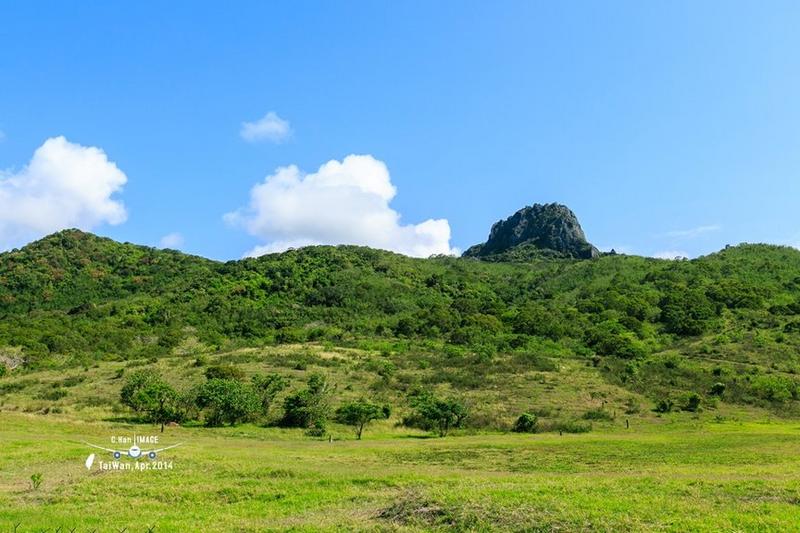
Kenting National Park is one of the earliest established national parks in Taiwan, managed by the Construction and Planning Agency of the Ministry of the Interior of the Republic of China. The park is located on the southernmost tip of Taiwan's mainland, the Hengchun Peninsula, with a land area of approximately 18,084 hectares and a sea area of approximately 15,206 hectares, for a total of nearly 33,290 hectares. The park has a north-south width of about 24 kilometers and an east-west width of about 24 kilometers, and is in a tropical climate region and a popular tourist destination in Taiwan.
108
km
10
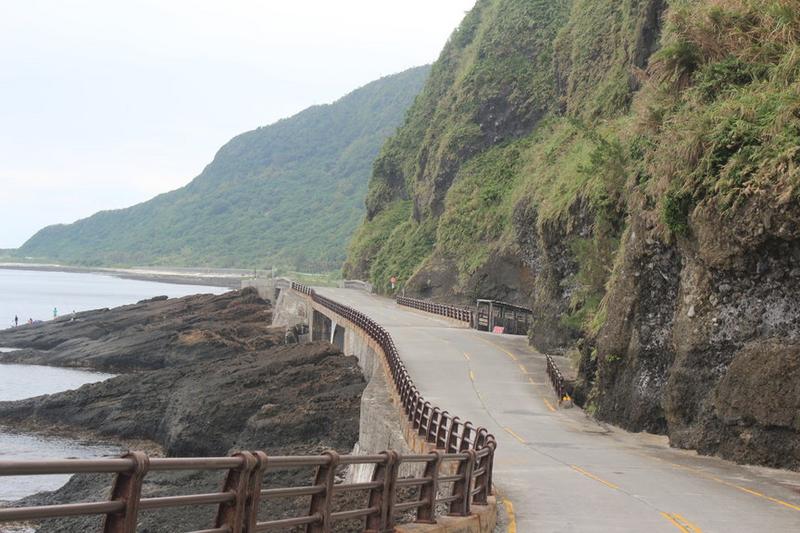
Before Green Island, it had several names, including "Chicken Heart Island," "Blue Baby Island," and "Burnt Island." The highest point of this hilly volcanic island is Huoshao Mountain, which is 280 meters high. The southeast coast is mostly cliffs, the southwest corner is a plain beach stretching for more than 10 kilometers, and the northwest near the coast is a gentle terrain where the main settlement of the island is located. There are many explanations for the origin of the name "Burnt Island," but the most well-known is the story of the island being burned down during the Qing Dynasty's Jiaqing reign.
69
km
11
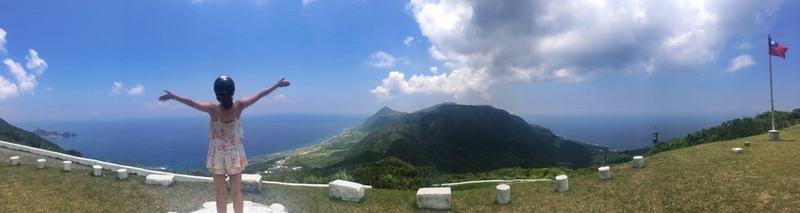
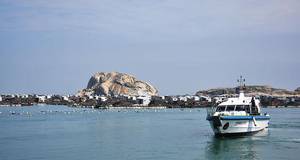
Lanyu, also known as Orchid Island, is a famous small island in eastern Taiwan, China. This island is characterized by its vibrant red color due to the abundance of pyrite in its andesite, resembling a red head from a distance. Therefore, the island was originally called Red Head Island. Later on, it was renamed Lanyu due to the abundant production of precious orchids on the island. Lanyu, along with Gulangyu, Jiangxin Island, and Dongmen Island, is collectively known as the "Four Famous Islands of China".
Day4: Taipei > Taichung > Hualien > Xincheng > shou feng > Pingtung County
12 attraction(s) ·
544 km

2
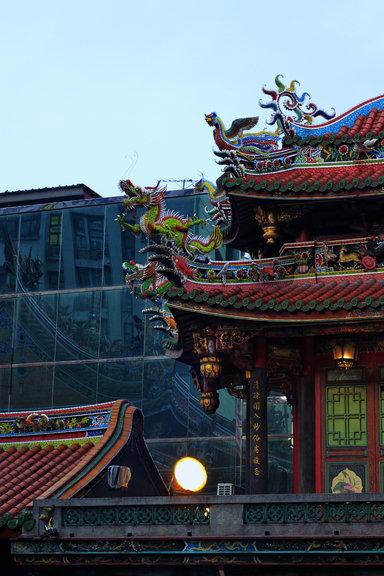
Longshan Temple is the first temple in Taipei, located at the intersection of Guangzhou Street and Xiyuan Street in the Wanhua District. The area was once known as Bangka, and it was plagued by poor conditions and epidemics. To improve the local situation, immigrants from Quanzhou, Fujian Province, brought the deity of Guanyin from the Longshan Temple in Anhai, Quanzhou, and began building Longshan Temple in Taiwan. Since its construction began in 1738 during the Qing Dynasty, Longshan Temple has been destroyed and repaired multiple times. During World War II, the temple was also destroyed and later restored. The present-day Longshan Temple is beautifully constructed, with a intricately designed temple courtyard, and is considered a highlight of Taiwanese temple art. In the early days, foreign travelers to Taipei would visit the National Palace Museum, Chiang Kai-shek Memorial Hall, and Longshan Temple for a visual feast. Every year from the 15th day of the first lunar month to the 19th day of the second lunar month, the temple holds traditional lantern exhibitions and activities such as peace lanterns. Longshan Temple is close to attractions such as Huaxi Night Market, Bangka Qingshan Temple, and Ximending.
1
km
3

Ximending is a popular shopping district in Wanhua District, Taipei City, consisting of sections of Wuchang Street, Hanzhong Street, and Emei Street. This area is known as the heart of Ximending, attracting young students and international tourists with its vibrant atmosphere and trendy elements. It is a bustling pilgrimage site.
Ximending is renowned as a popular fashion district and unique pedestrian shopping street in Taipei. It offers various famous attractions such as Ximending Red House, Tattoo Street, Movie Street, KTV, Wannian Building, Wu Fen Pu Wholesale Market, and Eslite Bookstore. In addition, there are many
8
km
4
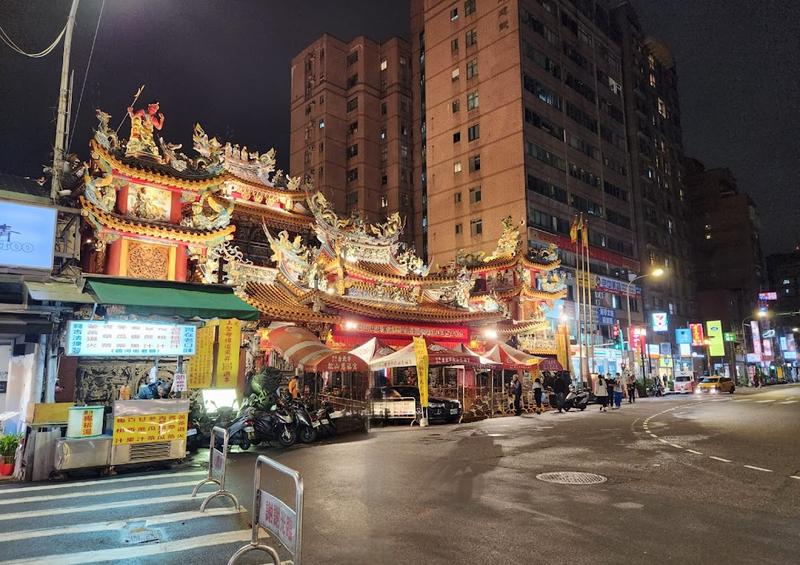
Buzzing, venerable nighttime street market offering shops & street food vendors.
7
km
5

Bustling nighttime market featuring traditional food options in covered, outdoor surrounds.
12
km
6
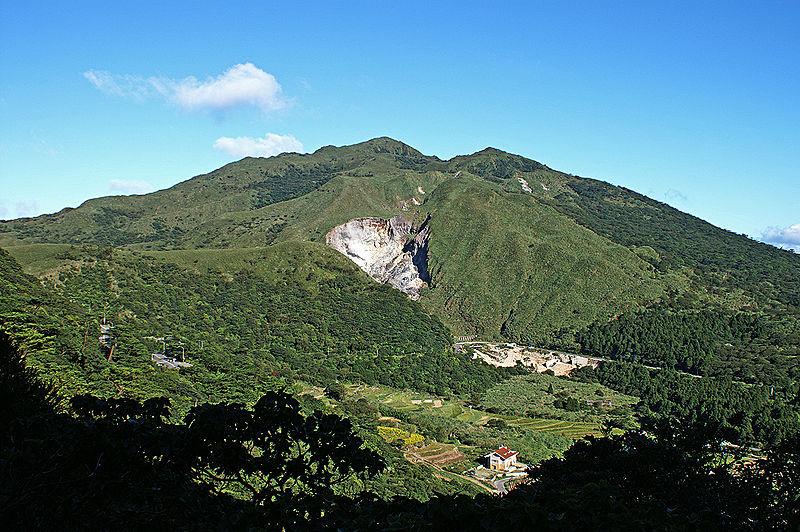
Yangmingshan National Park is one of the most popular flower-viewing and tourist destinations near Taipei. The spring season attracts large numbers of visitors to admire the azaleas and cherry blossoms, while the summer and autumn scenery is also breathtaking. The park buses are the most convenient way to explore, passing by many attractions and trails including Yangming Shuwu, Calla Lily Fields, Bamboo Lake, and Xiaoyoukeng Sulfur Vents. Qingtian Hill is a great place to relax, play on the grass, and enjoy the beautiful natural scenery. Lengshuikeng is another popular spot, featuring hidden and free public hot spring baths, perfect for relaxation and rejuvenation. The park buses often travel on narrow and thrilling mountain roads, allowing tourists to enjoy the stunning landscapes. In summary, Yangmingshan National Park is definitely worth a visit.
5
km
7

The Beitou Hot Springs is a hot spring resort located in Beitou District, Taipei City, Taiwan. With a large area, it can be defined broadly or narrowly. Broadly speaking, the Beitou Hot Springs refers to the Shamao Mountain, Datun Volcano Group, Qixing Mountain volcanic rock layers, and Jinshan Fault in the northern region of Taiwan. These areas are home to many hot springs, including the Geothermal Valley Hot Springs, Sulfur Valley Hot Springs, Dingbeitou Hot Springs, Shuangjieshi Hot Springs, and Longfeng Valley Hot Springs. On the other hand, narrowly speaking, the Beitou Hot Springs refers to a specific area in Beitou District with abundant hot spring resources. Whether defined broadly or narrowly, the Beitou Hot Springs is a highly recommended place to visit.
134
km
8
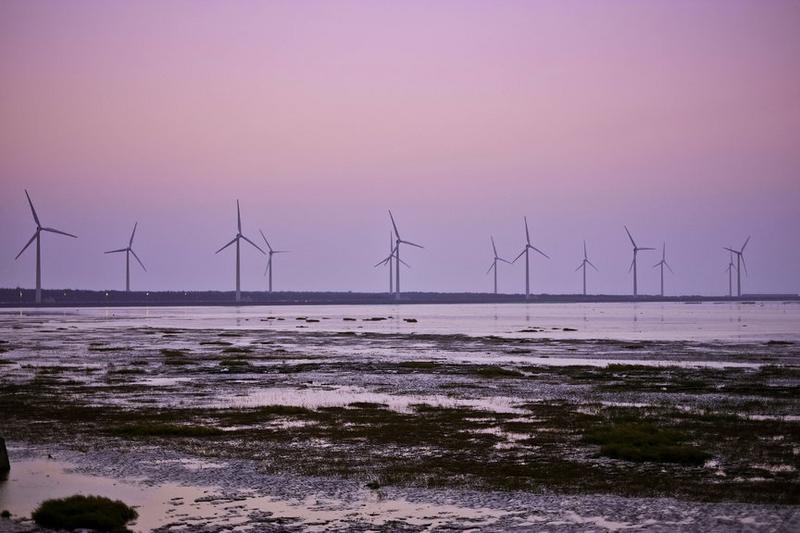
Gaomei Wetlands has become a popular attraction in recent years, particularly known for its beautiful sunsets, attracting many travelers to come and watch. However, if it is cloudy that day, the scenery may not be as good as usual, and it is necessary to make a decision based on the weather. It is a wetland on the west coast of Taiwan that has surprised the locals with its popularity. The classic scene of burning a piano in the music video "Collection" by Jam Hsiao was also filmed here (of course, he paid a considerable price for it). Here, you can leisurely enjoy the golden sunset, communicate and learn with friends, and enjoy a good time. The wetlands have a diverse habitat, such as tidal creeks, grass swamps, sandy areas, gravel, and mud, nurturing a wide variety and large number of benthic organisms. Gaomei Wetlands is a habitat for more than 120 bird species, an ecological protection area, and a newly emerging bird watching destination, loved by many bird watchers.
109
km
9
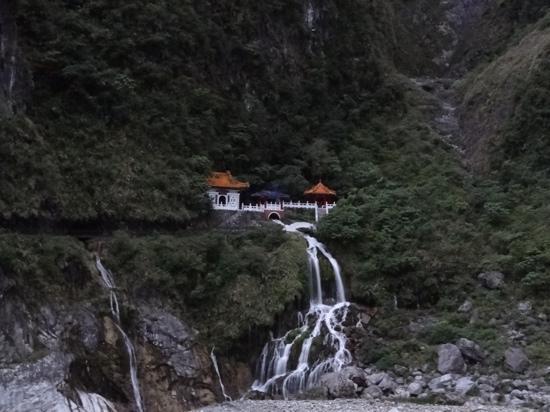
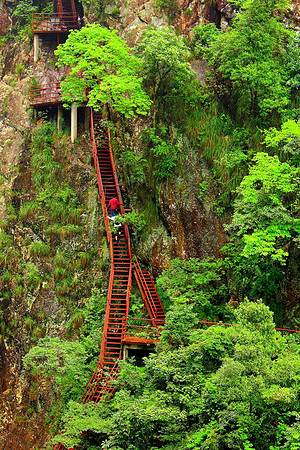
Along the Central Cross-Island Highway towards Taroko, after passing the west entrance of Changchun Tunnel, turn to the old Route Eight. You will discover Changchun Shrine standing by the Lishui River Valley. This shrine was built to commemorate the 225 workers who tragically died during the construction of the Central Cross-Island Highway. With its Tang Dynasty-style design, the building is situated between the mountain cliffs, and the nearby spring forms the Changchun Waterfall, becoming one of the iconic landmarks of the highway.
However, the shrine first collapsed in 1980 and suffered further damage in 1987 due to rockfall from the cliffs. It wasn't until 1996 that Changchun Shrine was rebuilt and reopened to visitors. Behind the shrine, there is a staircase leading up to Guanyin Cave, Taroko Pavilion, Bell Tower, and finally crossing a suspension bridge to reach Zhenguang Temple. This rugged hiking route is known as "Heavenly Trail."
14
km
10
Sweeping swimming beach where mountains meet the sea, offering dramatic views, trails & pavilions.
16
km
11
Eastern Coast National Scenic Area is located along the coastal areas of Hualien and Taitung in Taiwan, spanning the Pacific Ocean and the eastern coast mountains. With a length of nearly 170 kilometers, it is the largest national scenic area in Taiwan. The area is characterized by three representative attractions: Shitiping, Sanxiantai, and Xiaoyeliu. The Xiuguluan River and Ruisui are also popular tourist destinations. Visitors can also enjoy activities such as rafting, whale-watching, and diving to experience the unique coastal landscapes and rich indigenous culture in the area. These elements combine to create the enchanting charm of Taiwan's eastern coast.
237
km
12

White sandy tourist beach edged by coral reef in a national park with beach bars & parasols.
Day6: Taipei > Hualien > Kaohsiung > Tainan > Pingtung County > Taitung > Orchid Island
8 attraction(s) ·
675 km
1
Taipei National Palace Museum is known as the "Treasure House of Chinese Culture" and houses a rich collection of artifacts from the Song, Yuan, Ming, and Qing dynasties. With a total of 655,000 exhibits, the museum also features the Chih-shan Garden, the Chi-te Garden, and the Chang Dai-chien Memorial Gallery, all designed with traditional Chinese garden aesthetics. The museum's architecture resembles a Chinese palace, with three floors dedicated to exhibitions and a fourth floor for a tea house. Visitors can preview the exhibits on the museum's website before their visit to better appreciate the museum's highlights. Treasures such as Fan Kuan's "Travelers Among Mountains and Streams," Guo Xi's "Early Spring," and Li Tang's "Wanhaosong Fengtu" can only be seen during special exhibitions. The busiest periods for visitors are from 10:00 to 12:00 and 14:00 to 16:00, with tour groups often focusing on the jade, porcelain, and bronze sections. For a quieter experience, it is recommended to visit the calligraphy and painting galleries during these peak times and then explore the popular exhibits when the crowds thin out. The quietest visiting hours are during the evening sessions on Fridays and Saturdays, as the number of visitors decreases after 17:00.
105
km
2
Taroko National Park is the fourth national park in Taiwan, established on November 28, 1986. Its predecessor was the semi-high Taroko National Park (1937-1945) established during the Japanese colonial era, and it later became a national-level scenic area. The park is located in eastern Taiwan, spanning Hualien County, Taichung City, and Nantou County, and includes the Central Cross-Island Highway, the first highway to cross the island of Taiwan.
214
km
3
Bustling outdoor market with entertainment & many vendors selling food, handicrafts & other goods.
7
km
4
Cijin District is a region under the jurisdiction of Kaohsiung City in Taiwan, located on Cijin Island. It is the smallest area in Kaohsiung City, second only to Yancheng District.
43
km
5
Chikan Tower is one of the must-visit attractions in Tainan. This European-style building, built during the Dutch colonial period, was once the administrative center of Chengtian Government during the Ming and Zheng periods, making it the administrative center of Taiwan. Over time, the architectural style of Chikan Tower has evolved and has faced natural disasters and war, experiencing vicissitudes. Today, Chikan Tower has become a blend of modernity and tradition, including the remains of the Pro-Ming Dynasty City, the Sea God Temple, and the Wen Chang Pavilion, showcasing its rich historical and cultural heritage.
The charm of Chikan Tower not only lies in its diverse architectural styles but also in its rich stories. Whether it's opening the windows on the tower or the legend of the stone turtles, it never fails to captivate visitors. In addition, while the courtyard of Chikan Tower may be small in size, it is equally exquisite and charming, giving people a deep sense of ancient elegance, as if transported to the ancient city of Tainan. If you want to delve deeper into the history and culture of Tainan, Chikan Tower is a great choice.
It is worth mentioning that Chikan Tower has now become part of the daily life of Tainan residents. At night, with jazz music and colorful lights, Chikan Tower takes on a whole new atmosphere and becomes a hub for local foods and snacks. While indulging in the tantalizing aromas and flavors, you can also experience the intertwining of history and modern culture. It is a not-to-be-missed attraction.
131
km
6
Kenting National Park is one of the earliest established national parks in Taiwan, managed by the Construction and Planning Agency of the Ministry of the Interior of the Republic of China. The park is located on the southernmost tip of Taiwan's mainland, the Hengchun Peninsula, with a land area of approximately 18,084 hectares and a sea area of approximately 15,206 hectares, for a total of nearly 33,290 hectares. The park has a north-south width of about 24 kilometers and an east-west width of about 24 kilometers, and is in a tropical climate region and a popular tourist destination in Taiwan.
108
km
7
Before Green Island, it had several names, including "Chicken Heart Island," "Blue Baby Island," and "Burnt Island." The highest point of this hilly volcanic island is Huoshao Mountain, which is 280 meters high. The southeast coast is mostly cliffs, the southwest corner is a plain beach stretching for more than 10 kilometers, and the northwest near the coast is a gentle terrain where the main settlement of the island is located. There are many explanations for the origin of the name "Burnt Island," but the most well-known is the story of the island being burned down during the Qing Dynasty's Jiaqing reign.
69
km
8
Lanyu, also known as Orchid Island, is a famous small island in eastern Taiwan, China. This island is characterized by its vibrant red color due to the abundance of pyrite in its andesite, resembling a red head from a distance. Therefore, the island was originally called Red Head Island. Later on, it was renamed Lanyu due to the abundant production of precious orchids on the island. Lanyu, along with Gulangyu, Jiangxin Island, and Dongmen Island, is collectively known as the "Four Famous Islands of China".