Essential Route Through Portugal
8 cities |
23 attraction(s) |
total distance 15517
km
 TIPS
TIPS
Day1
Day4
Day6
Day8
Day1: Lisbon
11 attraction(s) ·
42 km
1
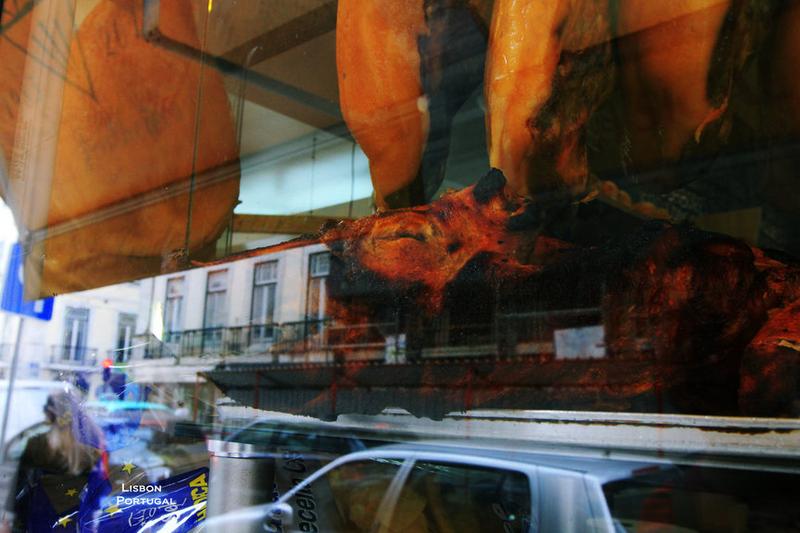
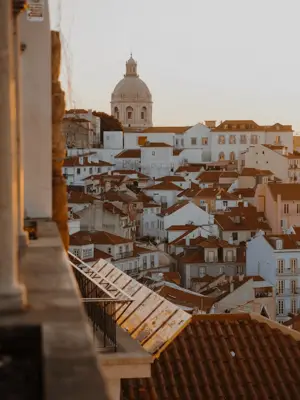
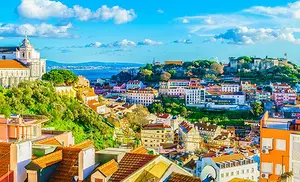
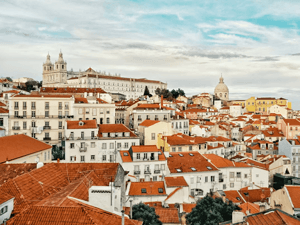
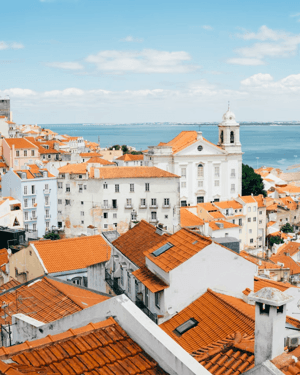
Alfama is located on the hillside between the São Jorge Castle and the Tagus River in Lisbon, and is one of the oldest neighborhoods in the city. The area gets its name from the Arabic word Al-hamma, which means "fountain" or "bathroom". Alfama is an important gathering place for historical landmarks and Fado bars and restaurants. During the Moorish rule, Alfama was the center of the entire city of Lisbon. As the city expanded westward to the Baixa area, Alfama gradually became a residence for fishermen and the poor.
1
km
2
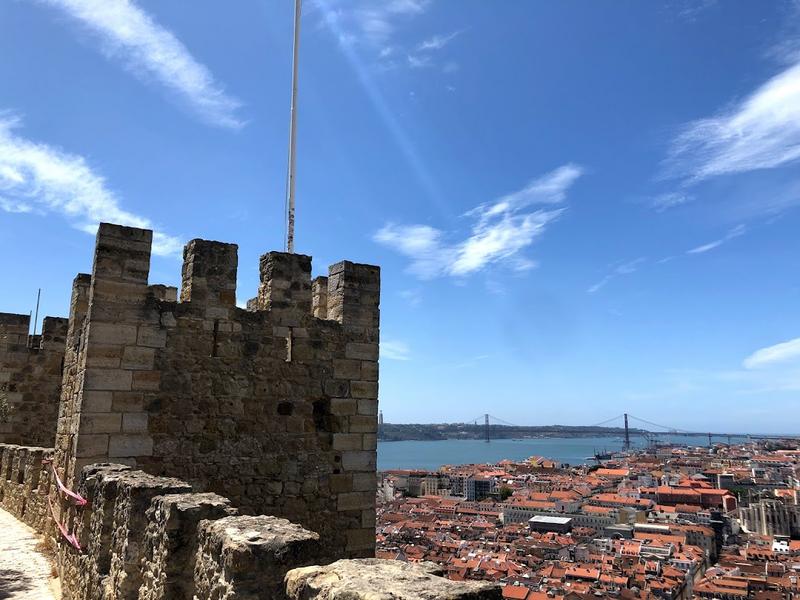
11th-century, hilltop Moorish castle & royal residence with palace ruins & archaeological museum.
8
km
3
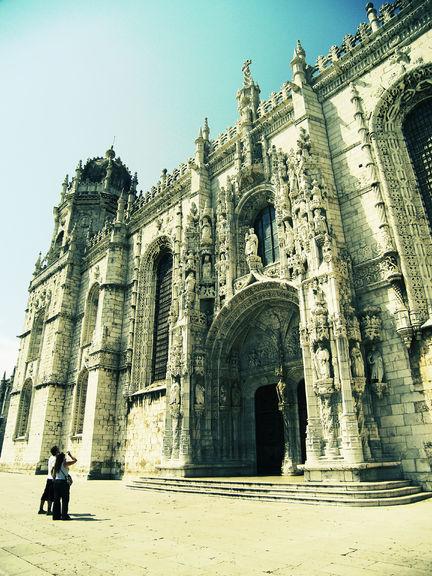
Belém is a must-visit area in Lisbon, gathering local life, culture, history, and scenery. Built by the river, Belém boasts beautiful scenery and elegant parks, and most of the ancient buildings have endured the test of the 1755 earthquake. City buses pass through Belém, and tourists can get off at different stops as needed. The entire area is worth exploring, and surprises can be found without a fixed route. A visit to Belém cannot be missed without trying the century-old shop, Pastéis de Belém. In 1820, Portugal experienced the "Liberal Revolution", and then in 1834, all monasteries were closed. To make a living, the monks began to try making sweets, named as Belém egg tarts, which quickly became famous locally. In 1837, it officially opened, and has been passed down from generation to generation. Pastéis de Belém's Portuguese egg tarts, "Belém balls," and other Portuguese delicacies are very popular, but you should also be aware of overeating sweets. In addition, tourists can also enjoy the production process of some of Pastéis de Belém's delicacies, although some of them are commercial secrets and not open to the public.
1
km
4
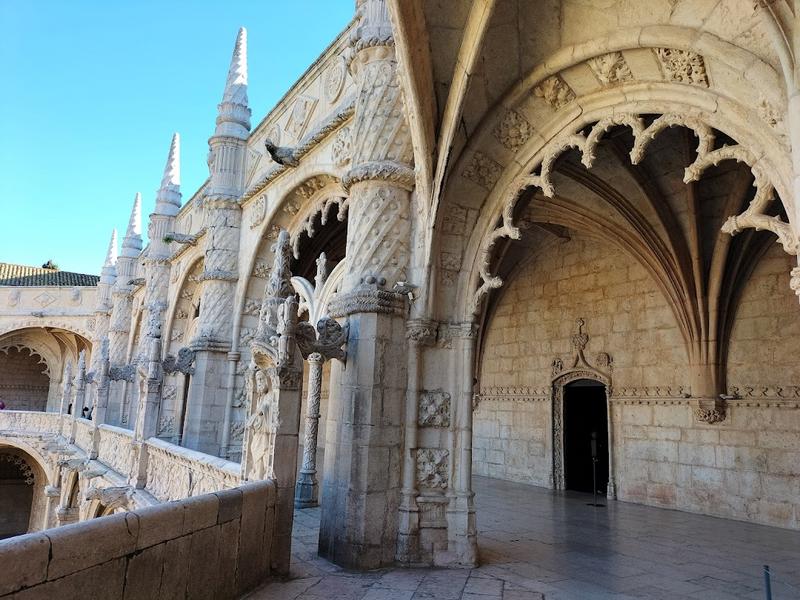
Late Gothic Manueline-style monastery housing archaeology & maritime museums in its wings.
2
km
5
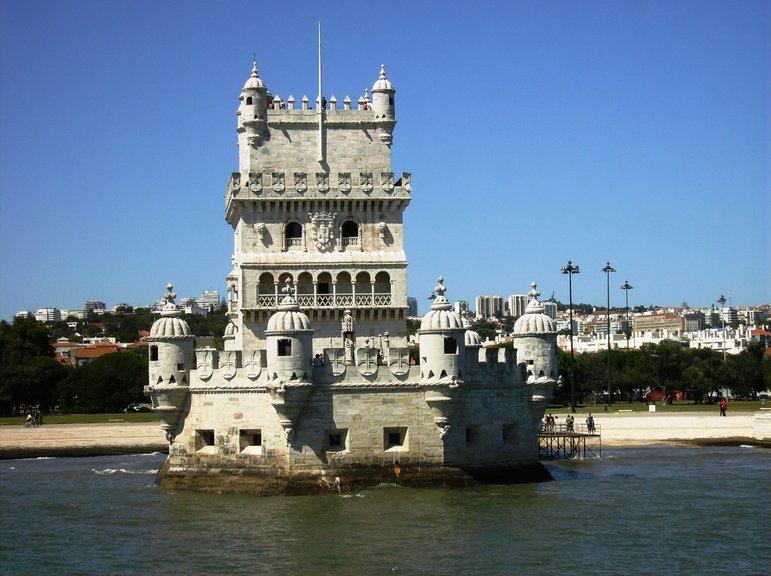
The Belém Tower is a historic five-story defense structure built between 1514 and 1520, located in the Belém district of Lisbon, Portugal. Initially used to defend the port and monastery, it later served as a customs, telegraph tower, and lighthouse and was also the starting point for many Portuguese expeditions. The tower houses eerie dungeons and 16th-century cannons and has even been used to detain important political prisoners. The tower is divided into two parts: the tower and the bulwark, which has many gun positions and storage rooms. There are 16 gun positions along the wall for defense. The tower also has four arched rooms, namely the officer's room, the king's room, the audience room, and a small chapel. The entrance is on the south-facing wall, and the facade features excellent stone carvings. The tower's overall design combines battle and life, which helps protect the cannons, drain accumulated water, and disperse gunpowder. The tower houses many historical relics, including 16th-century cannons and Manueline-style symbols. In 1983, the Belém Tower was formally recognized as a UNESCO World Heritage Site, and in 2007, it was rated as one of the Seven Wonders of Portugal.
1
km
6

Statue built in 1940 and made permanent in 1960 to mark 500 years since Henry the Navigator's death.
6
km
7
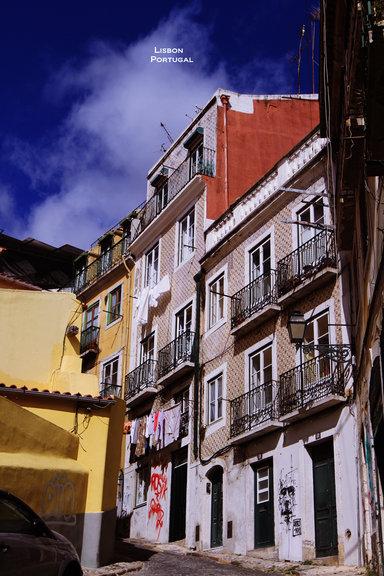
The ancient neighborhoods of Lisbon's upper city, after years of sedimentation, have formed a well-organized and magnificent arrangement of houses and winding streets, which is a unique corner of the city. Today, the upper city has become the heart of local cultural activities and nightlife for young people, with a variety of lively bookstores, galleries, and Fado clubs, demonstrating the diversity and vitality of this area.
1
km
8

In addition to its scenic waterfront, this popular district offers trendy eateries, bars & a market.
24
km
9

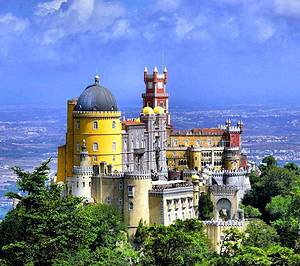
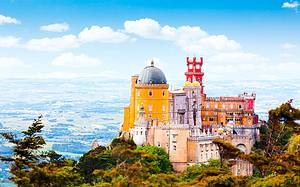
19th-century, Romanticist palace on a high rock & former monastery site, surrounded by parkland.
1
km
10

Paths offering panoramic views encircle this cliff-top Moorish castle, built in the 10th century.
1
km
11

Early 20th century-built palace & gardens with underground passages, a chapel & museum, plus events.
Day4: Coimbra > Óbidos > monsanto
3 attraction(s) ·
13437 km


Day6: Porto > Peso da Regua
6 attraction(s) ·
77 km
2

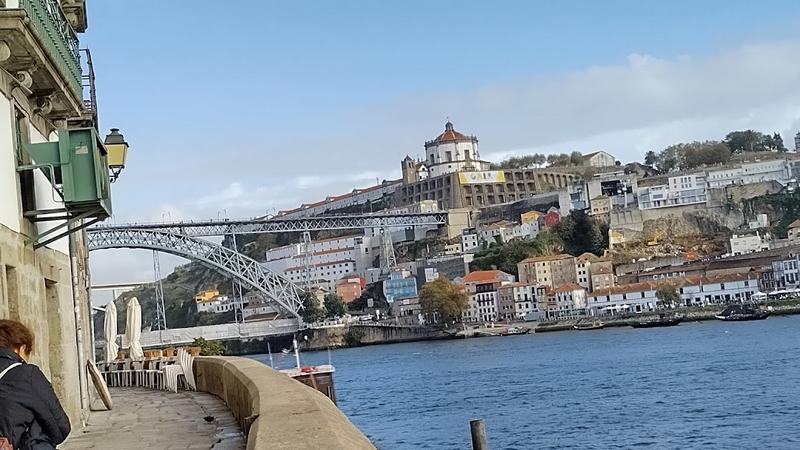
Arched bridge carrying low-level road & a high-level metro line between Porto & Vila Nove de Gaia.
1
km
3

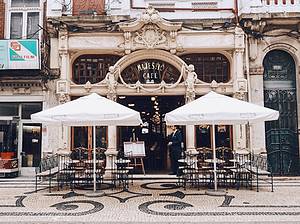
Lavishly designed historic book store with an art nouveau exterior & a winding wooden staircase.
1
km

5

A spiral staircase climbs the inside of this 76m-high baroque bell tower, offering city-wide views.
75
km

Day8: Peso da Regua > Braga > Ponta Delgada
4 attraction(s) ·
1609 km