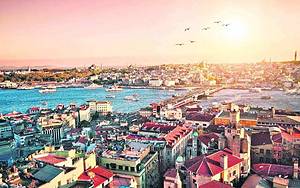
Discover Istanbul: 30 Days of Culture
2 cities |
16 attraction(s) |
total distance 132
km
 TIPS
TIPS
Day1
Day2
Day3
Day4
Day5
Day6
Day7
Day1: Istanbul
2 attraction(s) ·
1 km
1

Public square with remnants of an ancient hippodrome, plus prominent & historic buildings.
1
km
2
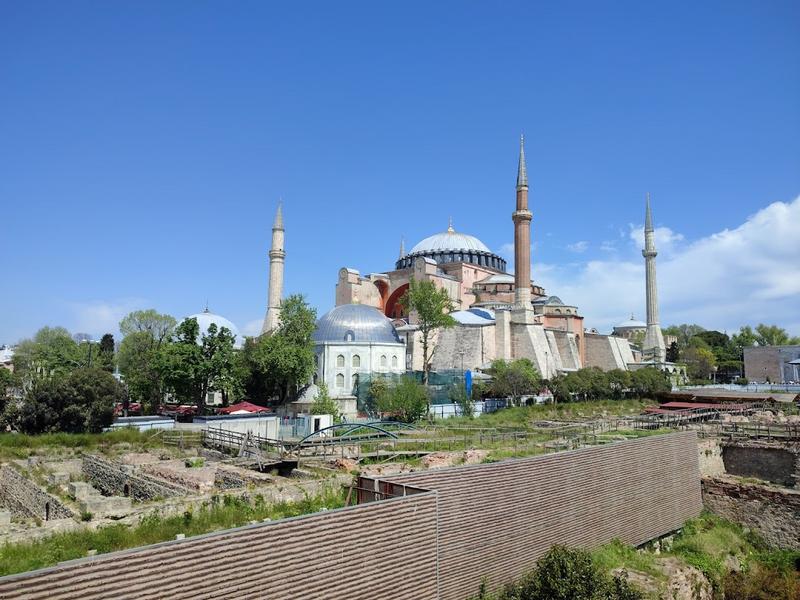
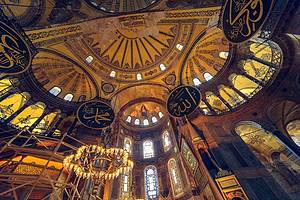
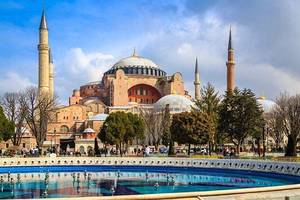
Iconic, storied mosque set within a vast, domed former Byzantine church with stained-glass windows.
Day2: Istanbul
2 attraction(s) ·
1 km

2
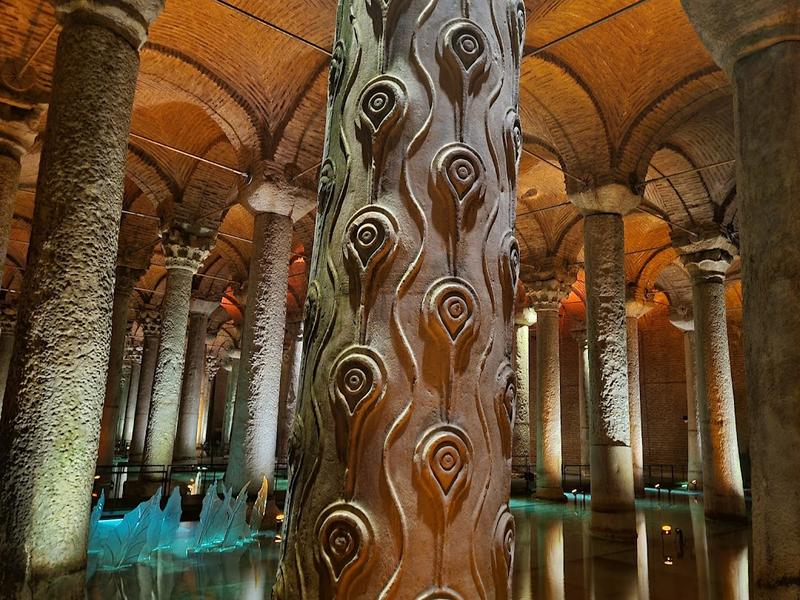
Huge underground Roman water source held up with 336 marble columns covering 9,800 sq. meters.
Day3: Istanbul
2 attraction(s) ·
1 km
1
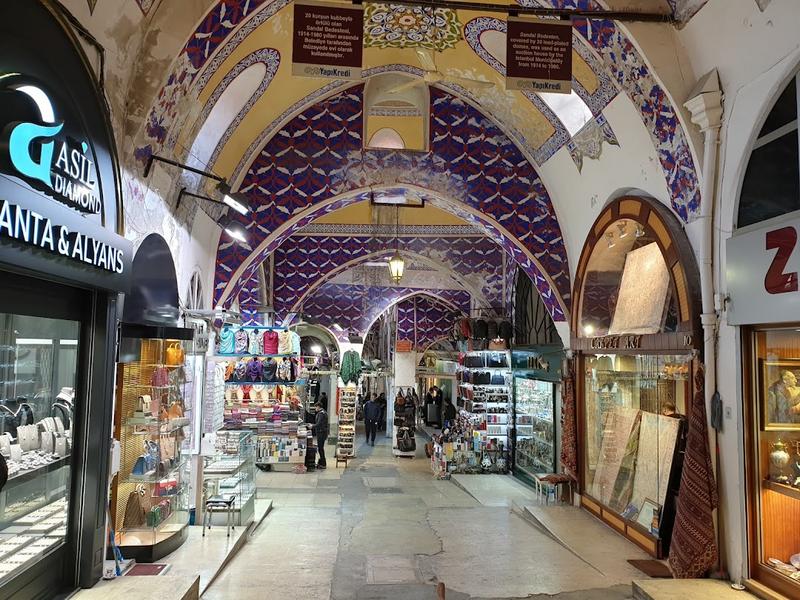
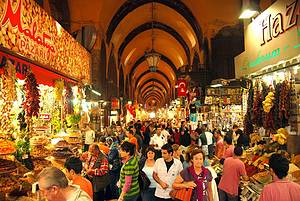
Historic sprawling network of indoor souks & market streets peddling leather, jewelry & gifts.
1
km
2

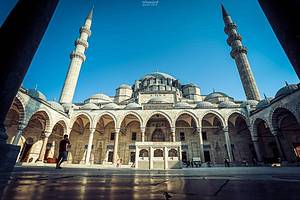
Ornate 16th-century mosque with gardens, plus a terrace with views over the Golden Horn.
Day4: Istanbul
2 attraction(s) ·
1 km
1
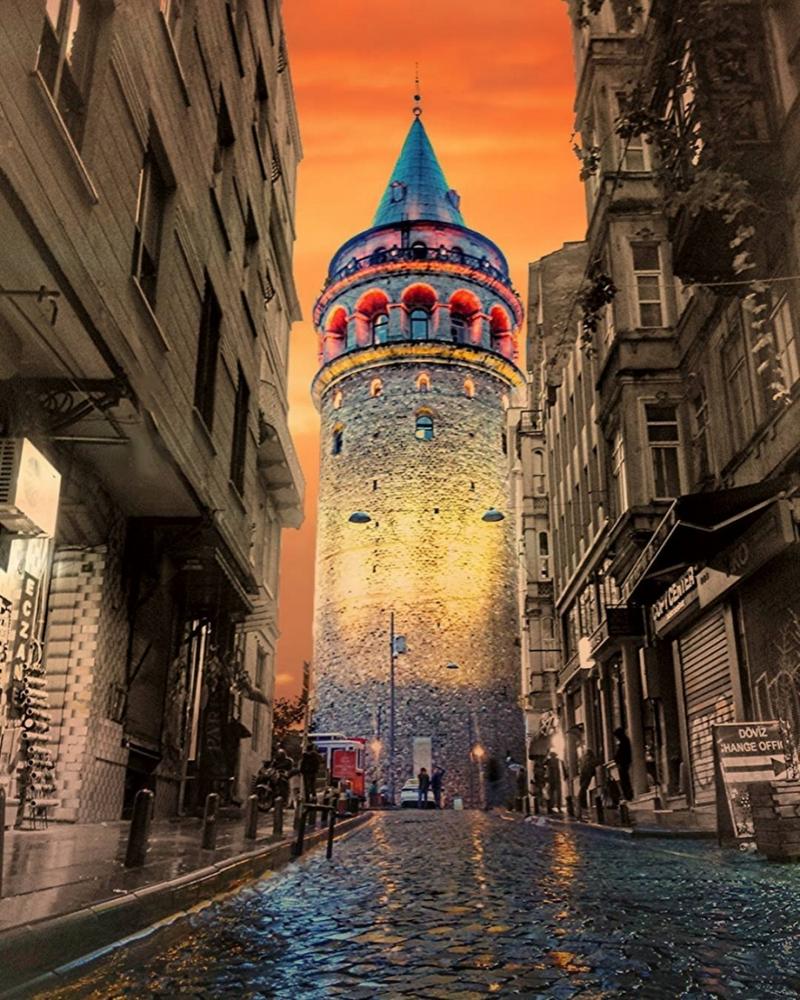
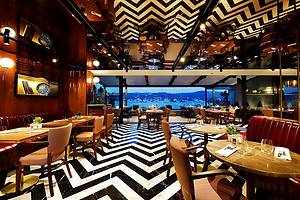
Restored 14th-century tower and former prison overlooking the Bosphorus with a top-floor restaurant.
1
km
2
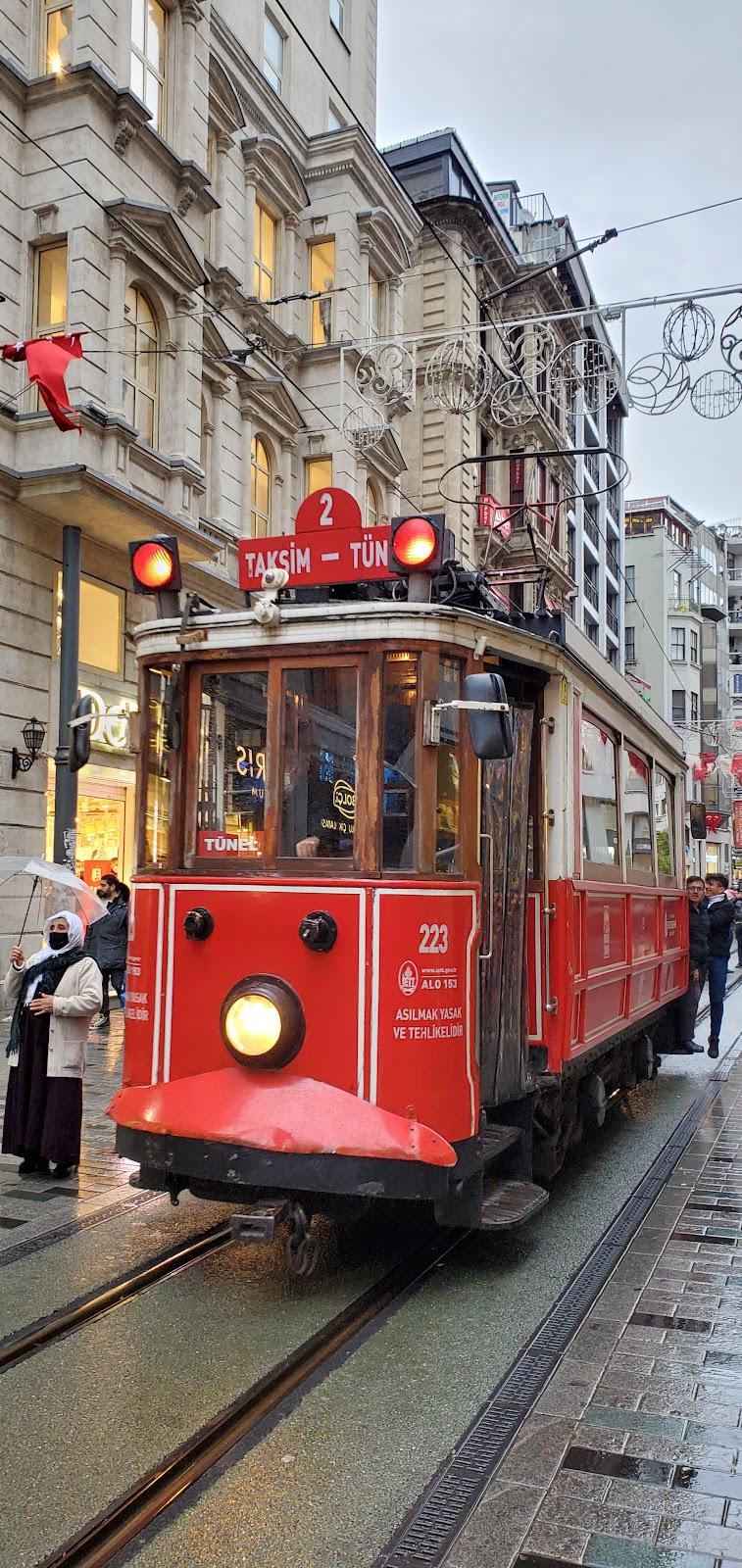
Bustling city thoroughfare known for its boutiques, galleries, theaters & numerous eateries.
Day5: Istanbul
2 attraction(s) ·
3 km
1
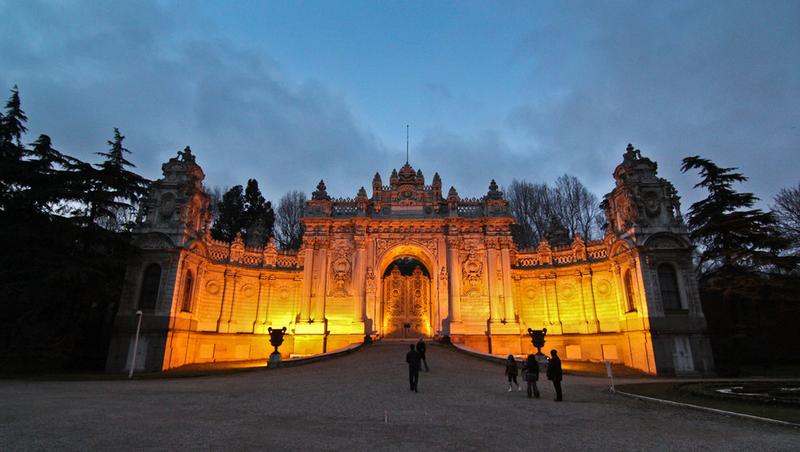
Dolmabahce Palace, located on the west coast of the Bosphorus Strait in Europe, was built in the mid-19th century and is a palace built during the Ottoman Empire period, incorporating Baroque and Neoclassical styles. The construction project cost 5 million Turkish lira, with a lot of extravagance. 14 tons of gold and 40 tons of silver were used to decorate the palace, and the world's largest crystal chandelier weighs 4.5 tons. Nevertheless, the interior decoration of the palace formed a sharp contrast with the decline of national strength. The palace was the main administrative center of the Ottoman Empire from 1856 to 1889 and from 1909 to 1922, and also the place where the last six sultans of the Ottoman Empire ruled. Built on reclaimed land, Dolmabahce Palace was the last glory of the Ottoman Empire, witnessing the establishment of the Republic of Turkey. Now, Dolmabahce Palace has been restored and converted into a museum, and the decorations inside the palace are all genuine, making it a valuable historical and cultural heritage.
3
km
2

Bustling hub with views of the Ortaköy Mosque & 15 July Martyrs Bridge amid street vendors & cafes.
Day6: Istanbul
2 attraction(s) ·
8 km
1
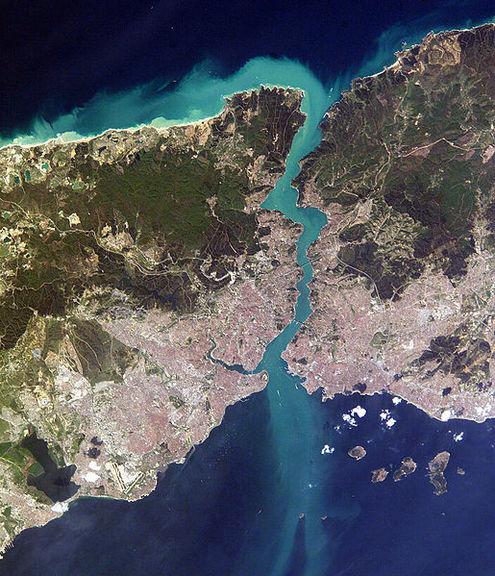
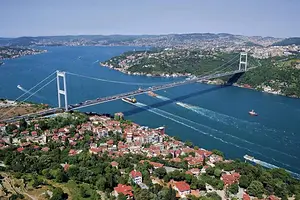
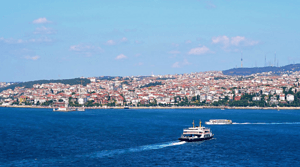
The Bosphorus Strait, also known as the Istanbul Strait, is the boundary line between Europe and Asia. The waterway is approximately 30 kilometers long, with a width of about 3,700 meters at its widest point and only about 700 meters at its narrowest point. The northern end of the strait leads to the Black Sea, while the southern end leads to the Sea of Marmara. The central current flows from the Black Sea towards the Sea of Marmara, while an undercurrent brings saltwater from the Sea of Marmara back to the Black Sea. Fish migrate seasonally through the strait to and from the Black Sea, making the fishing industry very prosperous. The shores of the strait are covered with lush forests, as well as villages, tourist attractions, and magnificent residences and villas. Istanbul, the largest city in Turkey, is located on the other end of the strait, facing the Anatolian Peninsula, and is a must-pass to get to the Black Sea. This strait is also the only route connecting the Black Sea and the Mediterranean.
8
km
2

Lush public park featuring an array of plants, 2 ponds, jogging paths & play equipment for kids.
Day7: Istanbul > Bursa
4 attraction(s) ·
102 km
1
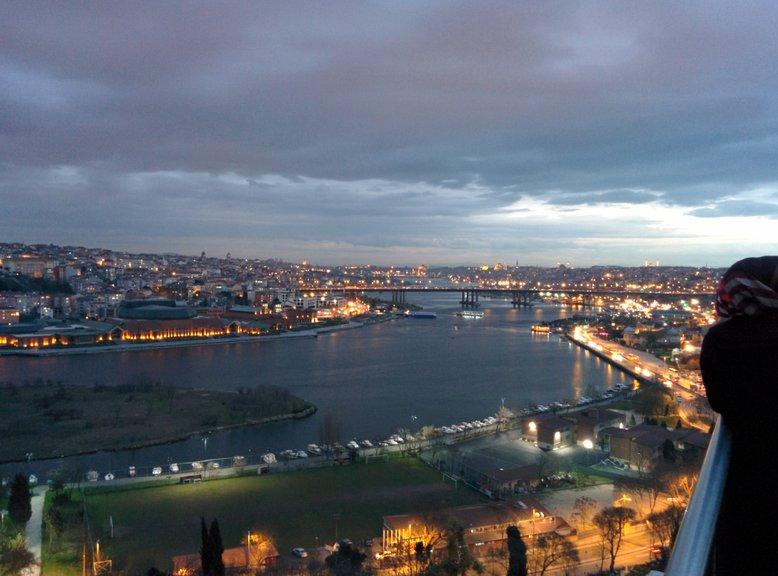
This small mountain is located in the northwest of Istanbul and is both a cemetery and a scenic spot. Standing at the top of the mountain, you can overlook the magnificent scenery of Istanbul's Golden Horn Bay. There are many restaurants on the top of the mountain where you can taste local tea and food. On weekends, many locals come here to visit. Even in the off-season, tourists are still coming one after another. Whenever you go, this is a place worth visiting.
1
km
2
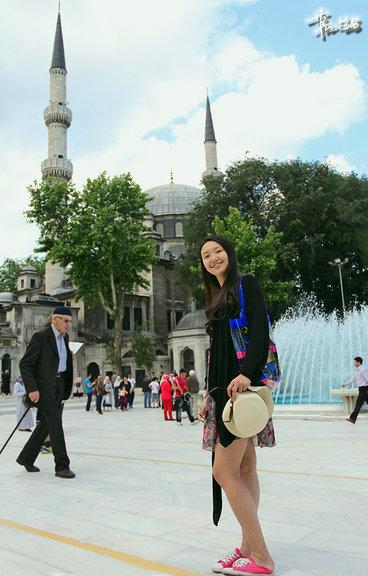
The Ayasofya Mosque is located in the Ayasofya district on the European side of Istanbul, near the Golden Horn and adjacent to the walls of Constantinople. The mosque was first built in 1458 and is one of the earliest mosques built after the Ottoman Turks conquered Constantinople.
According to local legend, the mosque is adjacent to the tomb of Ayasofya Sultan, a close friend of the Prophet Muhammad, who was buried here when the Arabs conquered Constantinople in 670. This tomb is highly revered by Muslim pilgrims and attracts many worshippers.
27
km
3
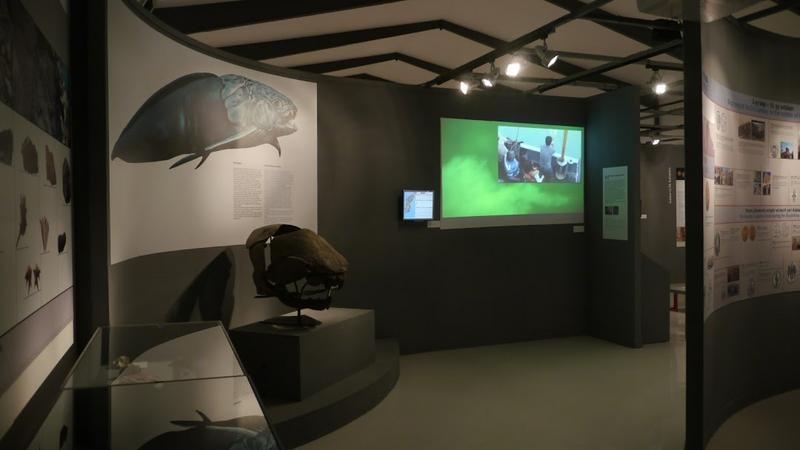
Exhibits on the area's history with hundreds of artifacts on display, plus a gift shop & cafeteria.
75
km
4