Korea 6-Day Tour: Jeju Island and Seoul Indulgence
3 cities |
21 attraction(s) |
total distance 581
km
Day1
Day2
Day3
Day4
Day5
Day6
Day1: Jeju-do
2 attraction(s) ·
1 km
1
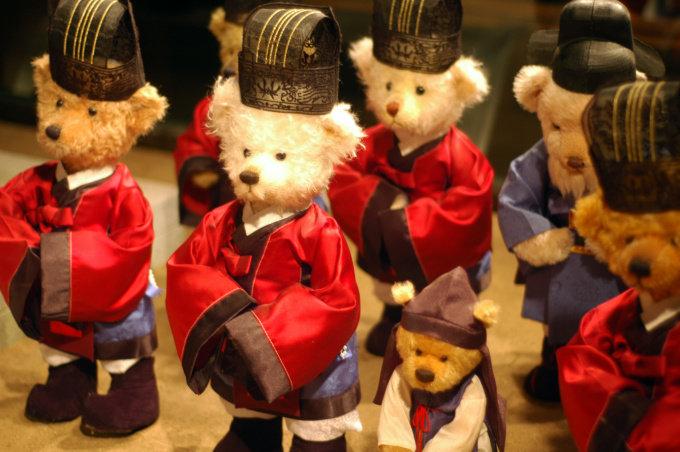
On April 24, 2001, the first Teddy Bear Museum in South Korea and the largest in the world opened in the Jeju Chinese Tourist Park. The museum features three indoor exhibition halls, a café, and a souvenir shop. "THE HISTORY" exhibit hall showcases Teddy Bears made from various countries over the past century, while "THE ART" exhibit hall displays famous bears from around the world. The museum also has a quarterly rotating exhibit hall to provide visitors with a colorful visual experience. The museum gained wide attention for its appearance in the Korean drama "The Palace". In addition to the indoor exhibits, the outdoor areas of the museum depict various scenes from the lives of Teddy Bears and their friends. The Teddy Bear shop downstairs sells various souvenirs related to Teddy Bears, but it should be noted that most products are made in China. Regardless of whether you are a couple, family, or tour group, the museum is a dreamy and sweet space that will make you feel like you are in a Teddy Bear fairy tale world.
1
km
2
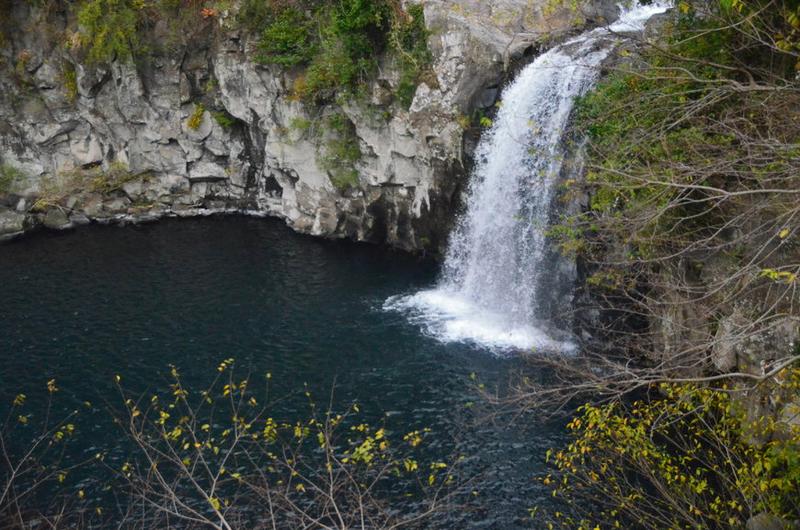
The largest waterfall in Jeju Road is located below the Rumei Botanical Garden, and the Xianlin Bridge is the best viewpoint to watch the waterfall.
Day2: Jeju-do > Seogwipo
3 attraction(s) ·
9 km
1

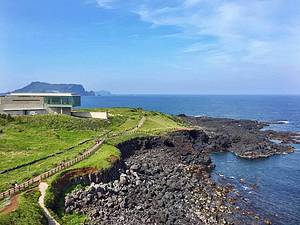
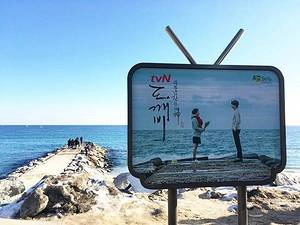
At the end of the trail, there is a lighthouse standing on a protruding land, with a windproof stone wall along the way. Crossing the stone wall reveals a field of rapeseed flowers, blooming brightly every April. The iron steps on the lighthouse make it easy to reach the top, where you can admire the beautiful coastal scenery from the railing. On the wide grassy coastal cliff stands a rock called Xianshi. This is Sheji Cape, formerly known as Sheji, which means prominent terrain in the Jeju Island dialect. This is a corner of the eastern coast of Jeju Island, with a preserved stone structure watchtower on a gentle slope, about 4 meters high and 9 meters long. Sheji Cape became famous because of the TV drama "Locheng Life and Death Love", and now it has attracted more fans because of "The Man Who Became King for the Sake of Love". At Sheji Cape, there is also the earliest TV drama museum in Korea called "All in House". On the way to the lighthouse, the windproof stone wall and the rapeseed field form a beautiful scenery, which can be refreshing.
4
km
2

Formed by volcanic eruptions, this unique, crater-style peak is said to resemble an ancient castle.
6
km
3
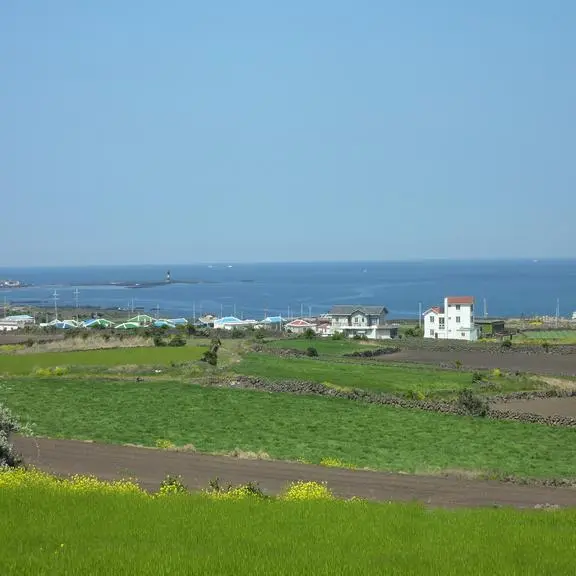
Udo Island, a beloved island in Jeju Island. The south side boasts the Bull Head Peak and the Lighthouse Park, and the coastline stretches with cliffs that are uniquely eroded by the sea. The entire island is a lava plateau, with fertile and flat areas scattered throughout. The coastal scenery on the island has attracted numerous film and television works, including the well-known Korean variety shows "Family Birth" and "Two Days and One Night". These famous guests have made Udo Island tourism a beautiful scenic spot.
Day3: Jeju-do
4 attraction(s) ·
33 km
1

In the Chinese fir forest, there are over 2800 Chinese fir trees, aged between 500 and 800 years. Walking through the forest, you can fully enjoy the lush green scenery and also increase your knowledge of nature. Along the way, there are Chinese introductions for visitors and clear signposts to ensure that you won't get lost. The entire walking journey takes about an hour and a half.
18
km
2
제주절물자연휴양림
In this activity, we will take some trails to experience the beauty of nature. These paths include a healthy hiking trail, Three Ming Road, Encounter Road, Mountain Road, Voice of Life, and Everlasting Forest. Let's wander in nature together and enjoy the natural scenery.
12
km
3
In English, please?
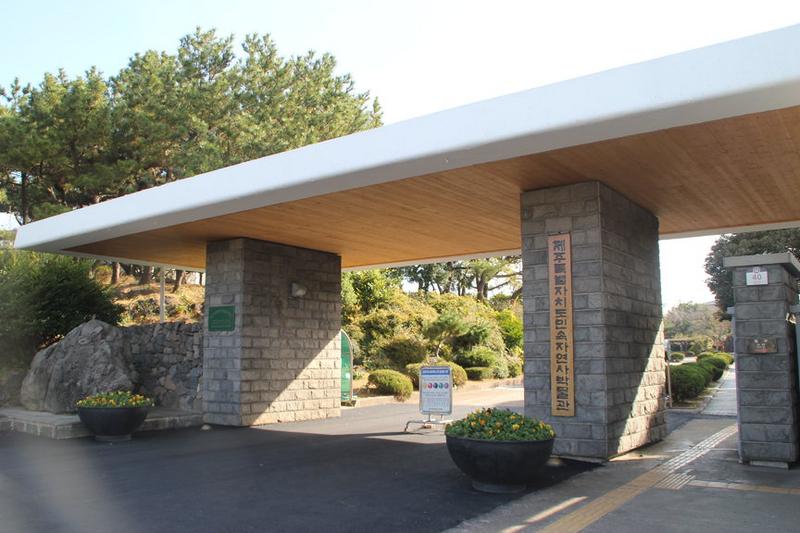
The Jeju National Museum officially opened to the public on June 15, 2011. It is an archaeological and historical museum dedicated to the exhibition, preservation, and research of Jeju's historical and cultural heritage. The museum features six permanent exhibition halls, including a Prehistoric Hall, Tamna Hall, Goryeo Hall, Tamna's Historical Journey Hall, Joseon Hall, and a Donation Hall, which provide a comprehensive and systematic understanding of Jeju's indigenous culture.
4
km
4
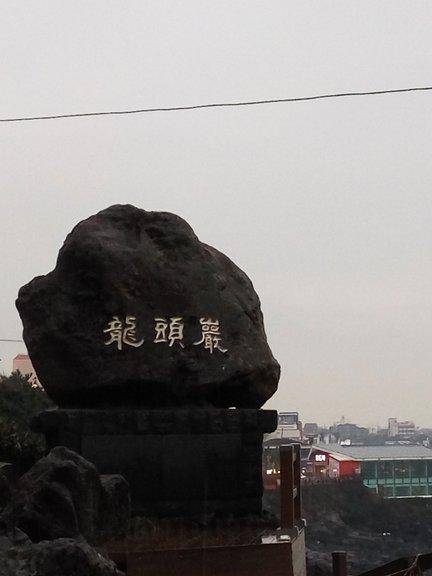
Dragon Head Rock, located 200 meters west of the mouth of the Han River on Jeju Island, is a famous tourist attraction. This unique rock formation resembles a dragon emerging from the water. It is a testament to the geological evolution of South Korea,
Day4: Seoul
5 attraction(s) ·
8 km

2
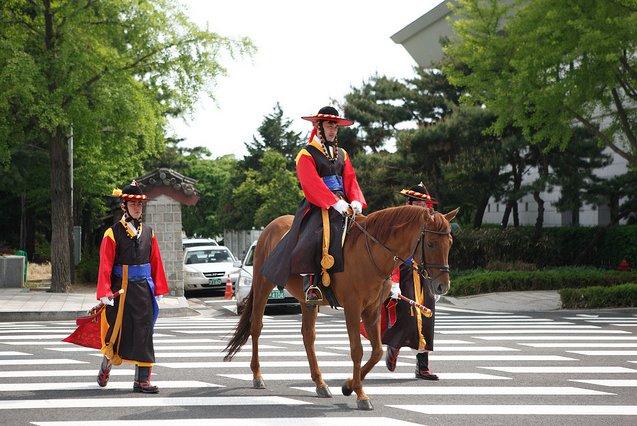
Blue House, the presidential office and political center of South Korea, gets its name from its unique blue tiled roof. Located in a beautiful area, Blue House is highly regarded among foreign tourists. To visit Blue House, one must apply in advance on the website and once approved, visitors must follow the staff's instructions. Photography is only allowed in designated areas and visitors are not allowed to bring food or record videos. Additionally, foreign tourists must carry their passports when visiting Blue House.
2
km
3
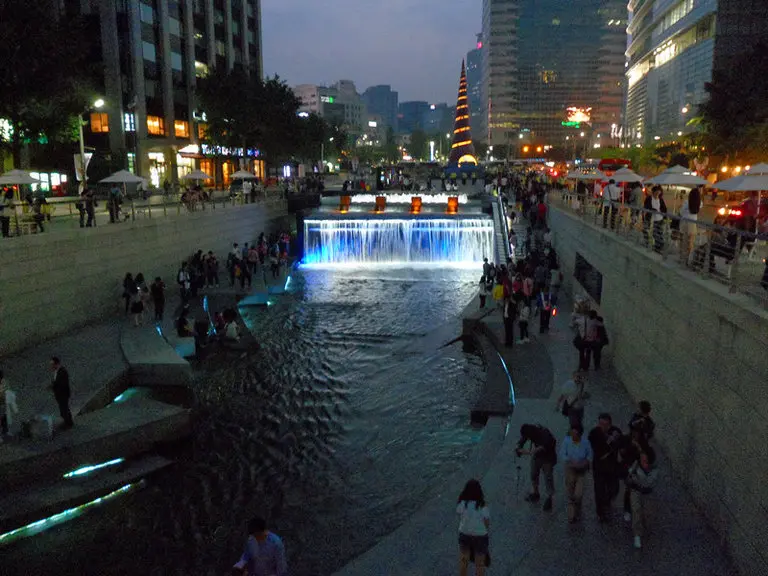
Cheonggyecheon is an ancient river that flows through the heart of Seoul, with a total length of approximately 5.8 kilometers. It passes through the Jongno and Jung districts from west to east. When Lee Myung-bak served as the mayor of Seoul, the Cheonggyecheon Plaza was one of his notable achievements, earning praise. Now, Cheonggyecheon Plaza has become a beloved spot for the locals and a beautiful landmark in the bustling city. This is the starting point of Cheonggyecheon, where various events are held annually, attracting visitors to create wonderful memories.
2
km
4
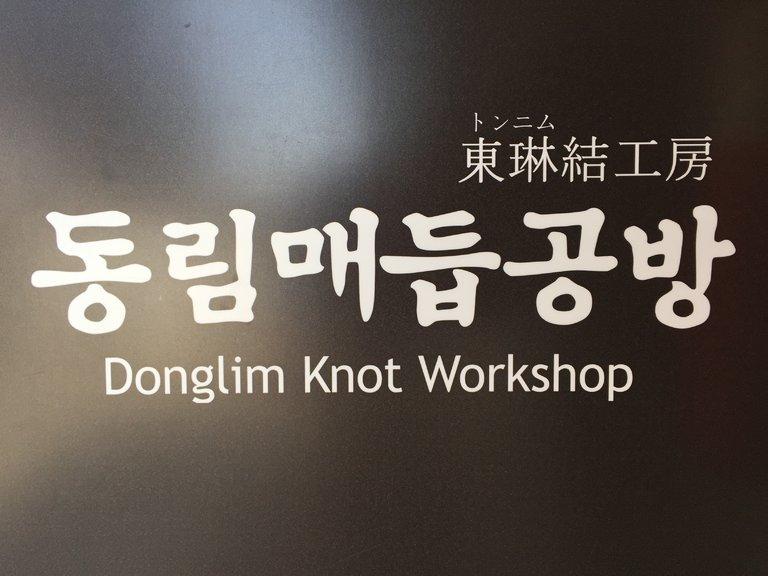
Bukchon Hanok Village is one of the most representative places to experience traditional Korean residential culture. Here, you can feel the authentic living atmosphere as it is a residential area. Therefore, when you visit here as a tourist, please keep quiet so as not to disturb their daily lives. Of course, taking photos here is also an excellent choice. If you want to find the eight major attractions of Bukchon and take beautiful pictures, don't worry about getting lost because there are ground signs to guide you to the best shooting spots. The services here are very thoughtful and convenient for tourists.
1
km
5
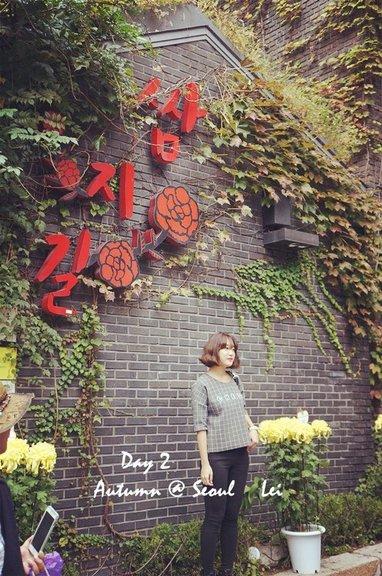
Insa-dong, like Shanghai's Tianzifang, is just a step away from Gyeongbokgung Palace. Although its area is not large, with only one main street and a few perpendicular alleys, it was once the residential area of the Joseon Dynasty's noble class. Today, Insa-dong is home to numerous art galleries, museums, and specialty shops. Walking on the stone-paved Insa-dong Street, history is solidified with every brick and tile underfoot, and you can experience the coexistence of classical and avant-garde Korean culture. Here, you can find a Starbucks with a Korean signboard, the most distinctive Korean souvenir store in Seoul, and traditional Korean tea shops, which are treasures of this place. It is definitely an unforgettable experience to have a cup of traditional Korean tea, taste various traditional snacks, and sit in a traditional tea house to feel the lovely atmosphere here. Moreover, you can find some Korean souvenirs that are not available elsewhere! Even locals may not be familiar with the objects in Insa-dong, but the movie "The Scandalous Lady W" by Jang Lee-yeong has added a touch of mystery and interest to this place, which is definitely worth a visit.
Day5: Seoul
5 attraction(s) ·
3 km
1
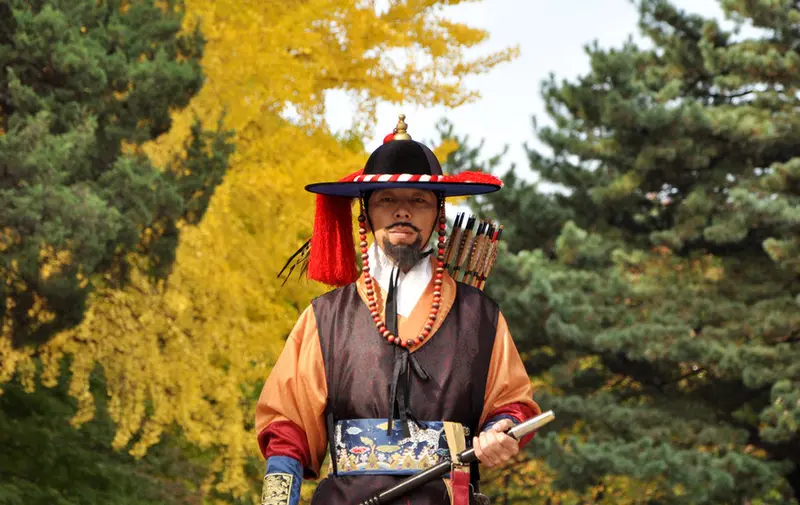
Deoksugung Palace is located on a busy street in the center of Seoul, known for its distinctive stone wall road. The palace was originally the residence of Prince Hansan (1454-1488) and later renamed as Jingyun Palace by King Gwanghaegun (1575-1641), creating a unique landscape. Jungheon Hall, with two dragons on its roof, serves as the main hall, showcasing ancient history and culture. Jeongjojeon Hall is where King Gwanghaegun and King Injo (1595-1649) held their coronations, with a plaque personally inscribed by King Gwanghaegun. Hyeonjeongjeon Hall is the king's bedchamber, praying for the eternal peace of the king, now converted to the Emperor's room to the east and the Queen's room to the west. Seokjojeon Hall, along with Jeonggwanheon Hall, is the only surviving Western-style architecture in Gyeongbokgung Palace. Originally built by the British and completed in 1910, the Eastern Annex now serves as a museum of palace relics, while the Western Annex serves as a branch of the National Museum of Modern and Contemporary Art.
1
km
3
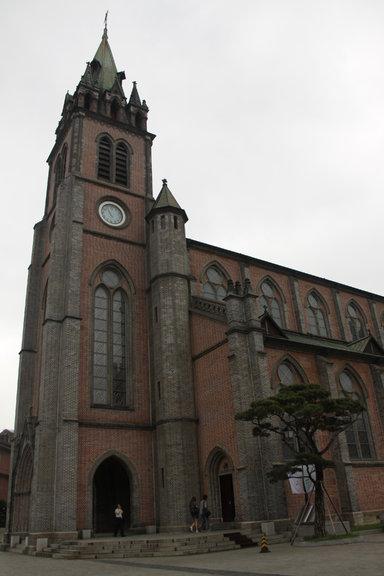
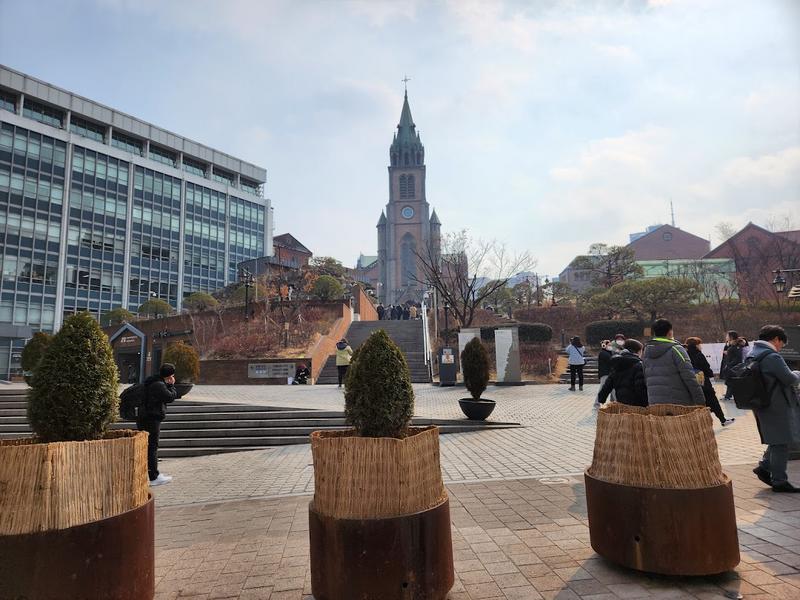
The Myeongdong Cathedral is a Gothic-style cathedral located in the central area of Seoul, South Korea. It is the main cathedral of the Seoul Archdiocese of the Catholic Church. The cathedral was first built in 1898 and consecrated to the Immaculate Conception of the Blessed Virgin Mary. In 1945, it was renamed Myeongdong Cathedral to celebrate Korea's independence. Due to the church's significant role in Korean society, the cathedral has been involved in various political events. The Virgin Mary's Garden behind the church sometimes holds organ performances at noon, and a midnight Mass is held here every December 24th.
1
km
4
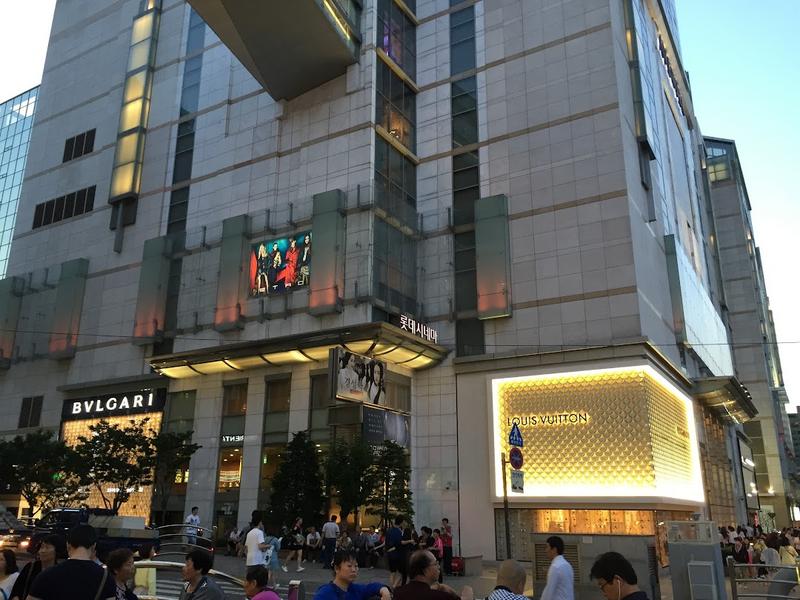
Many high-end international stores & restaurants draw crowds to this bustling retail district.
2
km
5
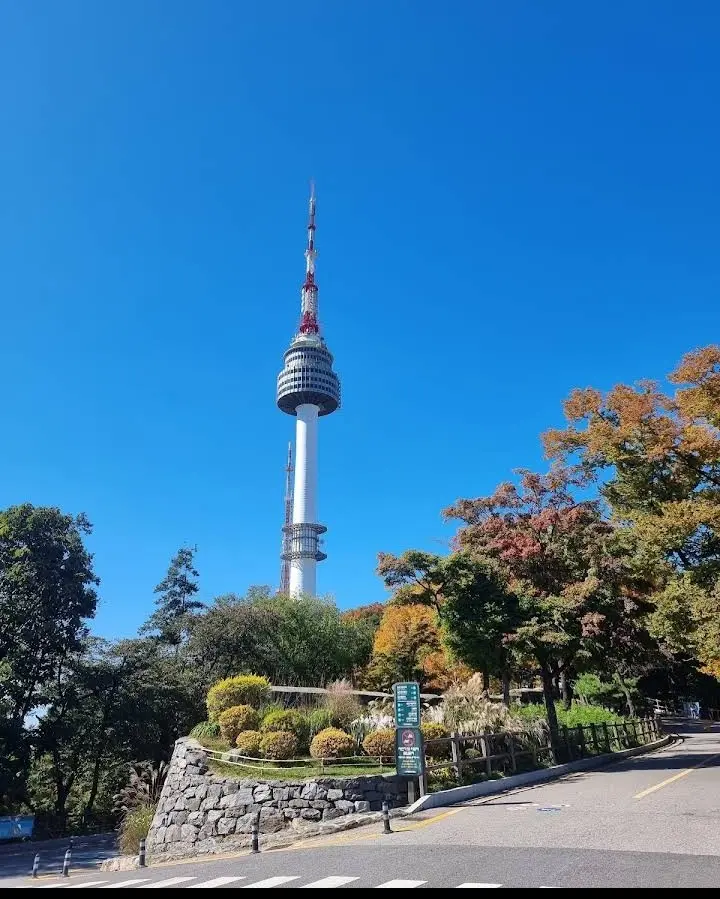
Opened in 1980, this iconic tower offers panoramic views of the city & a revolving restaurant.
Day6: Seoul
2 attraction(s) ·
6 km
2
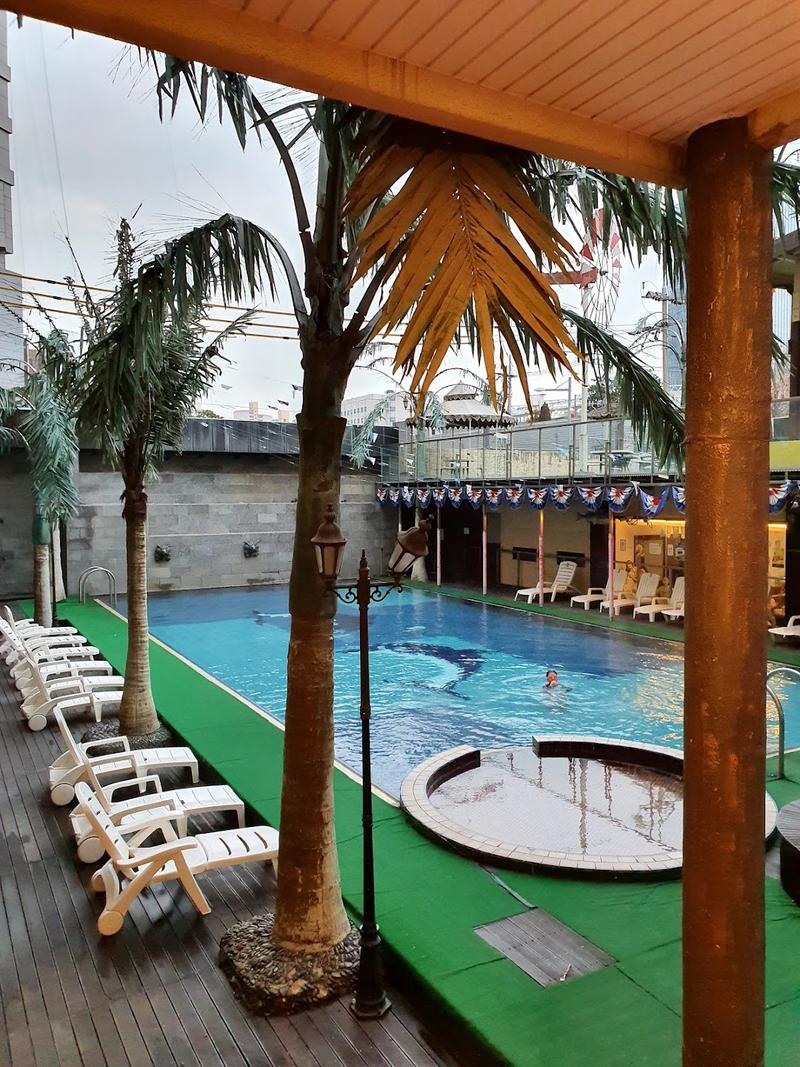
Spacious spa complex featuring a swimming pool, saunas, hot tubs, massage treatments & an eatery.