7-Day Korea Tour: Ancient Capital and Modern Korea [Concise Summary, Highlighting Charm]
3 cities |
11 attraction(s) |
total distance 552
km
 TIPS
TIPS
Day1
Day2
Day3
Day4
Day5
Day6
Day7
Day1: Seoul
2 attraction(s) ·
1 km
1
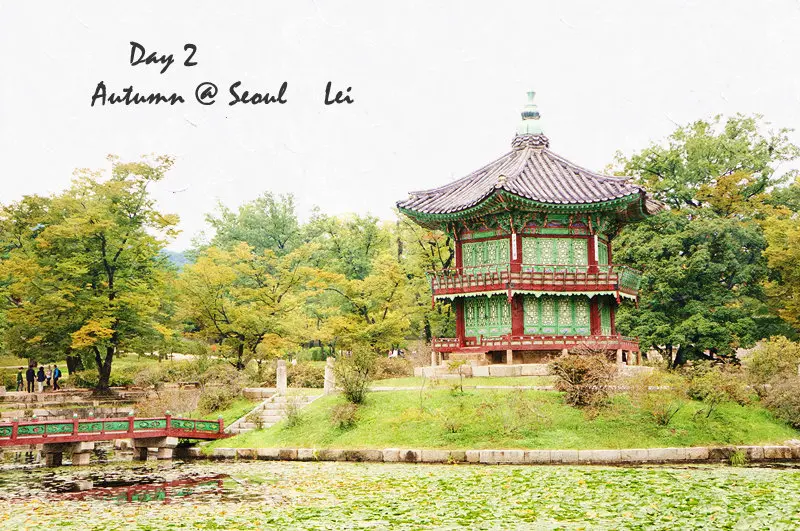
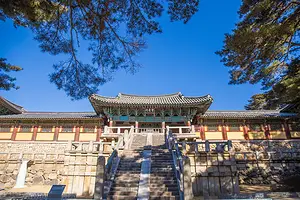
Gyeongbokgung Palace is the first palace built in the early days of the Joseon Dynasty, with a history of 600 years. It was once a grand palace and now showcases delicate beauty. Gyeongbokgung Palace is the largest of the Five Grand Palaces and features unique architecture such as Geunjeongjeon Hall and Gyeonghoeru Pavilion. In addition, there are the National Palace Museum and the National Folk Museum where visitors can explore and experience. Gyeongbokgung Palace is open to the public and there is a ticket office at the entrance of Gwanghwamun. Visitors can also watch the Changing of the Guard ceremony and take photos with the guards, immersing themselves in Korean classical culture.
The name Gyeongbokgung means "great blessings and prospering the nation," reflecting the early aspirations of the Joseon Dynasty. It was completed in 1395 and at its peak had over 390 buildings. During the Japanese invasion in the late 16th century, Gyeongbokgung Palace was burned down and remained abandoned for 273 years. It was restored during the reign of King Gojong but suffered significant damage during the Japanese colonial period, with some buildings demolished and replaced by the Government-General Building. After Korea's independence, Gyeongbokgung Palace gradually underwent restoration, with the completion of the restoration project of Gwanghwamun Gate in 2010. There are also guided tours available in Chinese, departing from the inside of the Geunjeongmun Gate at four designated times.
1
km
2
Bukchon Hanok Village is one of the most representative places to experience traditional Korean residential culture. Here, you can feel the authentic living atmosphere as it is a residential area. Therefore, when you visit here as a tourist, please keep quiet so as not to disturb their daily lives. Of course, taking photos here is also an excellent choice. If you want to find the eight major attractions of Bukchon and take beautiful pictures, don't worry about getting lost because there are ground signs to guide you to the best shooting spots. The services here are very thoughtful and convenient for tourists.
Day2: Seoul
2 attraction(s) ·
2 km
1
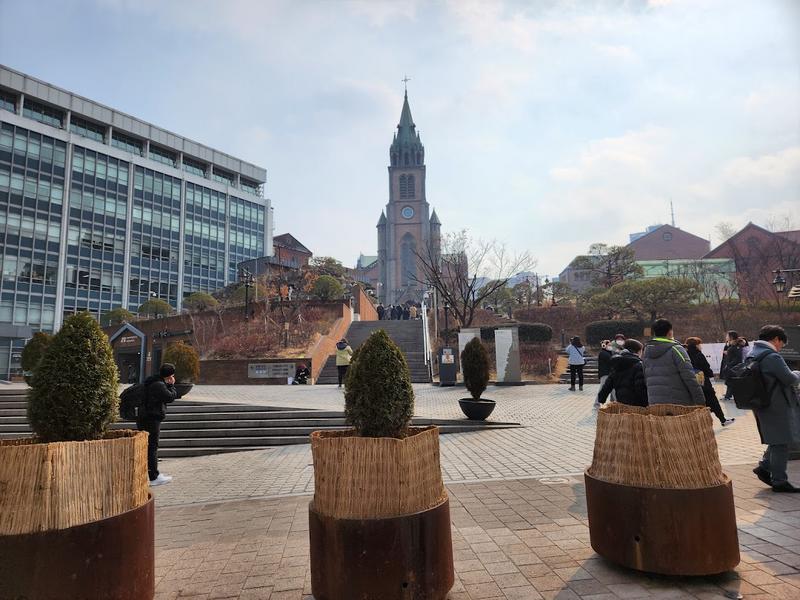
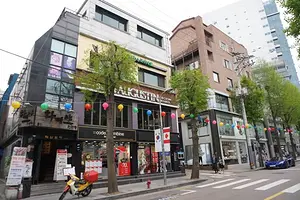
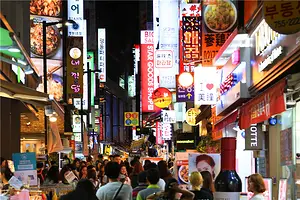
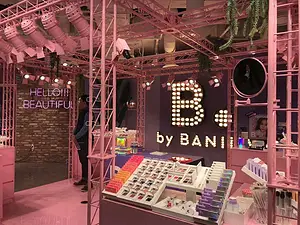
Many high-end international stores & restaurants draw crowds to this bustling retail district.
2
km
2
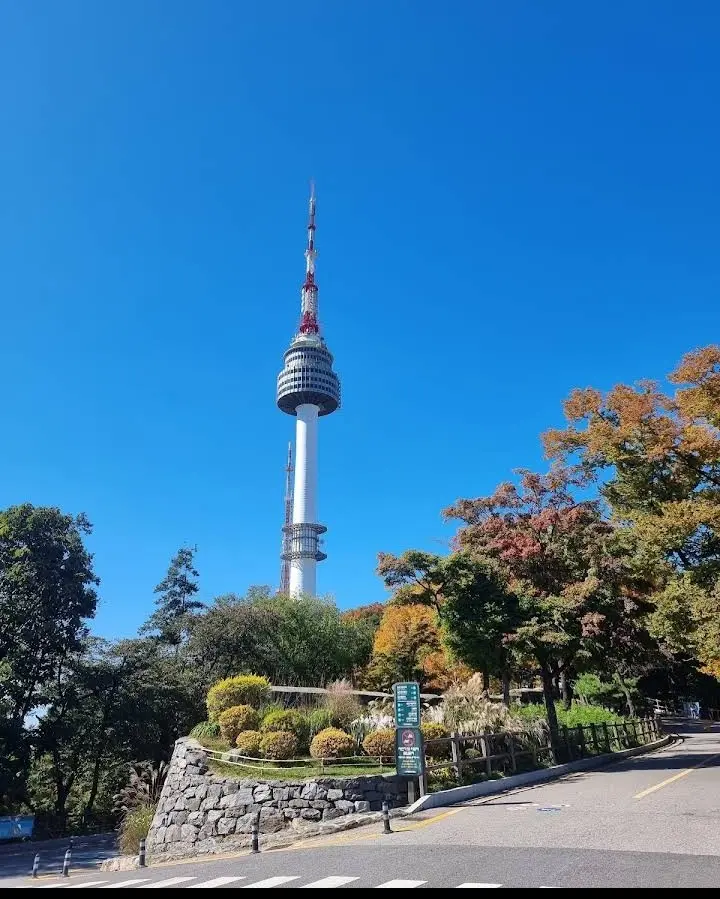
Opened in 1980, this iconic tower offers panoramic views of the city & a revolving restaurant.
Day3: Seoul
1 attraction(s) ·
0 km
1
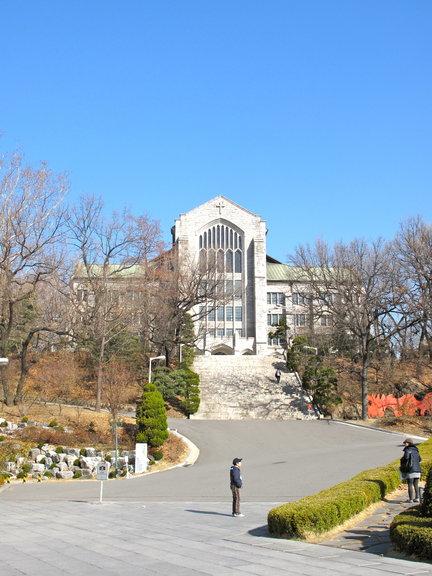
Ewha Womans University is one of the world-famous women's universities, attracting many foreign tourists with its beautiful campus and charming Ewha girls. The scenery here is colorful, with enchanting maple leaves in autumn and blooming cherry blossoms in spring. The entire campus is surrounded by greenery, with ancient teaching buildings coexisting harmoniously with trees, giving people a lively and beautiful feeling. There are many stone school buildings like those in fairy tales, quiet little gardens, campus avenues lined with ginkgo trees, and beautiful and captivating faces, making it hard for people to leave. The whole campus is filled with a faint romantic and aesthetic atmosphere, and a moment's stay here will be refreshing. The school also arranges campus tours led by students, and there are many unique shops and restaurants nearby, making it a great place for a leisurely stroll and to experience campus life.
Day4: Seogwipo
1 attraction(s) ·
0 km
1

Formed by volcanic eruptions, this unique, crater-style peak is said to resemble an ancient castle.
Day5: Jeju-do
2 attraction(s) ·
20 km
1
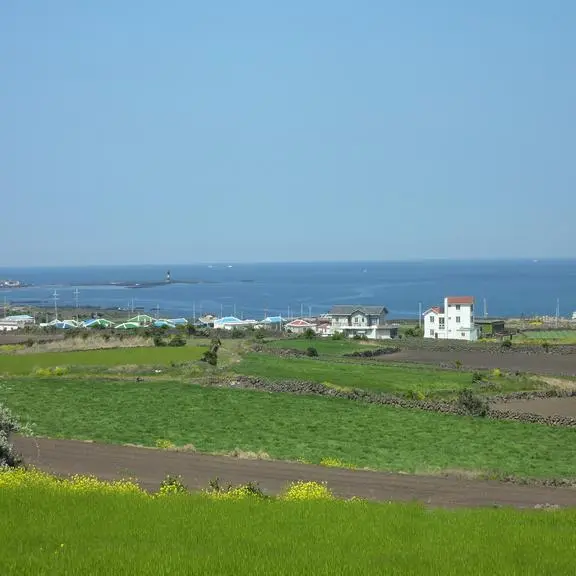
Udo Island, a beloved island in Jeju Island. The south side boasts the Bull Head Peak and the Lighthouse Park, and the coastline stretches with cliffs that are uniquely eroded by the sea. The entire island is a lava plateau, with fertile and flat areas scattered throughout. The coastal scenery on the island has attracted numerous film and television works, including the well-known Korean variety shows "Family Birth" and "Two Days and One Night". These famous guests have made Udo Island tourism a beautiful scenic spot.
20
km
2
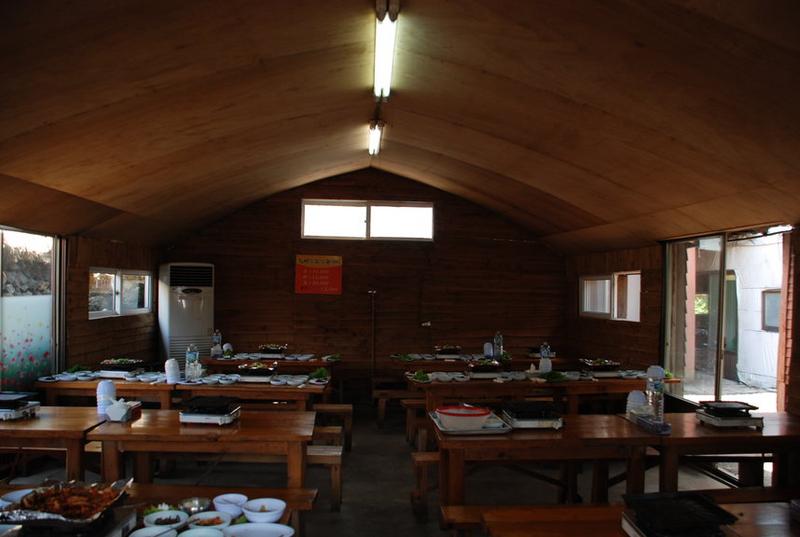
Jeongui Folk Village is located at the foot of the Hannasan Mountain, and it is a well-preserved traditional Korean folk village. There are many tangible and intangible cultural heritages here, including residential houses, township schools, government offices, mills, castle ruins, steles, folk songs, folk games, local foods, folk crafts, and Jeju dialect. The unique soil culture is also one of the highlights here, attracting much attention from foreigners. Located on Jeju Island, Jeongui Folk Village displays Jeju Island's unique residential culture. From sparsely arranged windbreak stone walls to the "Orai" that prevents wind from directly entering the house, to Dolharubang, one of Jeju Island's symbols, the beauty of culture can be found everywhere, making it well worth a visit.
Day6: Jeju-do
2 attraction(s) ·
18 km
1
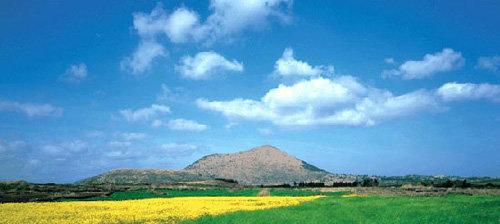
Hallasan is located in the center of Jeju Island, South Korea, with an altitude of 1,950 meters and a beautiful Baengnokdam crater lake. Since being included in the World Natural Heritage Reserve in 2007, Hallasan has gained attention, but it is not easy to climb to the summit because there is no cable car for tourists. There are five hiking trails to choose from to climb Hallasan, including Dunegeon, Yeongsil, Eorimok, Eoseungsaengak, and Gwaneumsa. The best time to climb is from May to June and September to October, but every season has its own unique charm. Spring brings azaleas, summer brings lush streams, autumn brings vibrant red leaves, and winter brings snow-covered landscapes, all of which can bring endless surprises to climbers. Therefore, we recommend that you prepare fully before hiking, bring hiking poles and wear crampons in winter to prevent slipping and injury.
18
km
2

Compact beach & surfing spot with large waves, showers & access to a nearby eatery.
Day7: Jeju-do
1 attraction(s) ·
0 km