Togakushi Shrine Okusha (Inner Shrine) is located at the foot of Mount Togakushi and is one of the most famous shrine buildings in the Togakushi shrine complex. It is reached on foot along a cedar-lined approach. Surrounded by an ancient forest, the main hall is solemn and rustic, making it an important place for worship, prayer, and experiencing Shinto culture. The surrounding natural environment is well preserved, offering different scenery in each season, with autumn foliage and snowy landscapes being especially popular with visitors.
Horyu-ji Temple in Nara is one of the oldest existing wooden temple complexes in the world and is designated as a UNESCO World Heritage site. The tree-lined avenue leading to the temple is wide and quiet, flanked by towering old trees that emphasize the temple’s ancient and solemn atmosphere. It takes about 10 minutes on foot to reach the outer precincts, and along the way you can see historical remains dating back to the 8th century. It is an important destination for learning about ancient Japanese Buddhist architecture and culture.
The Hakone POLA Museum of Art forest promenade is about 1 kilometer long and runs through native forests of beech, Tricyrtis, and other species, connecting the museum with the surrounding natural landscape. The trail is designed to be low-impact and blend into the environment, allowing visitors to listen to birdsong and appreciate seasonal changes along the way. After walking, you can enter the museum to view its collections of Impressionist and other artworks, achieving a dual experience of art and nature.
The POLA Museum of Art is located in the forests of Hakone and is known for its modern architecture that harmoniously coexists with the surrounding nature. Its collection includes Impressionist paintings, modern and contemporary Japanese art, and glass artworks. Visitors can first stroll along the forest promenade and then enter the museum to appreciate the art, experiencing the fusion of mountains, forests, and art in the same space.
Hellbrunner Allee is one of the most famous estate avenues near Salzburg, stretching about 2.5 kilometers. Its straight design symbolizes the power and planning concepts of the 17th‑century archbishops. More than 600 old linden, oak, and other trees up to 30 meters tall line both sides of the road, forming a green corridor. Today it has become a popular route for locals and tourists to walk, run, and cycle, and it also leads conveniently to Hellbrunn Palace, where visitors can explore water features and gardens.
Hellbrunn Palace, adjacent to Hellbrunner Allee, is a Baroque pleasure palace known for its unique "trick fountains." The grounds are equipped with various hidden water jets and playful water features designed to provide refreshment and entertainment for nobles. Today, visitors can join guided tours and, after strolling the shaded paths, explore the palace, gardens, and water systems.
Storgatan in Sundsvall is a main pedestrian street running through the city center, known for its stone buildings and tree-lined boulevard landscape. The buildings along both sides are mostly historical structures rebuilt and restored in the 19th century, preserving the distinctive character of a Nordic city. Visitors can shop, dine, and enjoy the town’s relaxed atmosphere along this street, making it the best starting point for getting to know Sundsvall.
Kulturmagasinet, located near Storgatan, is a cultural center converted from old warehouses. The building retains its industrial-era exterior, while the interior houses a library, exhibition spaces, and event venues, making it a cultural landmark of Sundsvall. After strolling along the tree-lined pedestrian street, visitors can come here to gain deeper insight into local history and artistic life.
The Gaffelbyn observation tower stands on a small hill near the urban area of Sundsvall and can be reached on foot or via a short trip from Storgatan. From the top, you can overlook the city’s stone buildings, the bay, and the surrounding forests, making it a great spot for enjoying panoramic views and photographing the cityscape. It pairs well with a walking tour of the city center.
Place de la Bastille is an important historic and transport hub in Paris and was once the site of the former Bastille prison. Today, the July Column stands in the center of the square, surrounded by an opera house, cafés, and shops, making it a gathering place for visitors. As one of the endpoints of the Cours de la Reine–Troyes plant-themed promenade, it serves as a striking landmark for beginning or ending a walk along the greenway.
Café L'Arrosoir is located near the elevated green walkway in Paris and is a pleasant stop for a break during a walk. The café has a relaxed atmosphere and outdoor seating, where you can enjoy coffee and light meals while looking out at surrounding greenery and street views. It is a place to savor the details of the slow-paced Parisian lifestyle.
The Katy Trail in Dallas is an urban linear park trail converted from an old railway line. Shaded by trees and with a flat surface, it is suitable for walking, running, and cycling. It passes through downtown Dallas and fashionable districts such as Uptown, and cafés, bars, and art installations are scattered along the route. It is a popular area for locals’ daily leisure and for visitors to experience the city’s vitality.
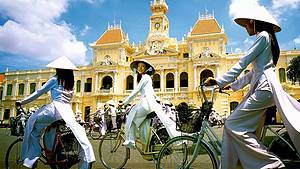
Nguyen Hue Boulevard in central Ho Chi Minh City is a wide pedestrian street with fountains and landscaped strips along its central axis, and it offers free Wi‑Fi. On both sides stand buildings from the French colonial era alongside modern hotels. It is a popular place for locals and tourists to stroll, take photos, and relax in the evening. On weekends, motor vehicle lanes are closed, and street performances and crowds create an especially lively atmosphere.
Hotel Majestic is one of Ho Chi Minh City’s most famous historic hotels. Its exterior retains French colonial architectural features, while the interior is elegantly decorated. Located in the city center near Nguyen Hue Boulevard and the Saigon River, it boasts an excellent location. Many visitors stay here or visit the rooftop bar for a drink while taking in views of the city and river.
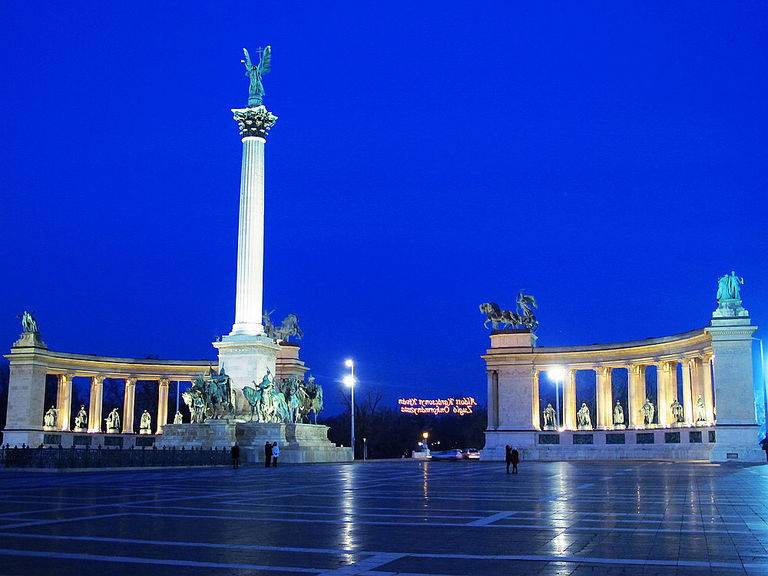
Heroes' Square (Hősök tere) is one of Budapest’s most iconic squares, dominated by the Millennium Monument and statues of Hungary’s historical leaders, flanked by the Museum of Fine Arts and the Hall of Art. The square and its surrounding avenues form an important urban axis and are a landmark not to be missed when visiting Budapest. It is also often used as a starting or ending point for walks along nearby tree-lined avenues.